

Considering Veneers in Korea? What to Do About Sensitivity or a Veneer Coming Off After Returning Home
If you live overseas and are considering veneers in Korea, you may also be concerned about aftercare. If a tooth becomes sensitive or a restoration comes off after you return home, getting back to Korea straight away may be difficult. You may wonder who to contact and what help is available.
If sensitivity or detachment occurs after you return home, you can share your symptoms and photos with the clinic that treated you for guidance on what to do next. However, an in-person examination at a local dental clinic may be needed to identify the cause or decide on treatment. Before treatment, it is therefore helpful to know how to contact your treating clinic from home and what guidance it can provide.
First, we explain how to respond to sensitivity or a veneer coming off after returning home, and the roles of online guidance and local dental care. We then cover TU Dental's contact options by language, the information to send, and the distinction between local dental fees and aftercare support.
What should I do if a tooth becomes sensitive after I return home?
Tell the clinic that treated you when the sensitivity began, what triggers it, and whether it is easing or getting worse. Distinguish brief sensitivity when drinking cold water from pain without a trigger or pain when biting.
Sensitivity can have several causes, including tooth decay and gum disease. Treatment depends on the cause, so symptoms alone cannot establish whether there is a bonding problem or damage to the tooth. After veneer treatment, the bite and the area around the restoration may also need to be checked.
If sensitivity does not improve or gets worse, or one tooth seems to make contact first when you bite, have a dentist examine it. If you are overseas, you can visit a dental clinic near you for an in-person examination. Do not delay care while waiting for an online reply if you have persistent pain or swelling.
Sharing the following details can help with advice and treatment.
Current symptoms | What to tell the clinic or dentist | What to do and why |
|---|---|---|
Sensitivity to cold or hot foods and drinks | When it started, what triggers it, and how long it lasts after the trigger is removed | Describe the pattern to your treating clinic. Persistent or worsening symptoms need an in-person examination to identify the cause. |
Pain when biting or a tooth that seems to touch first | Which tooth is uncomfortable and when the change began | Have a local dentist examine the tooth and bite. Photos alone cannot adequately show how the teeth contact during chewing. |
A restoration has come off or chipped | The location, when it happened, and photos of the restoration and tooth | Keep the restoration and bring it to your appointment. Rebonding, repair, or replacement depends on the damage and the condition of the tooth. |
If swelling in your mouth or neck makes it difficult to breathe or swallow, seek emergency care locally. Do not wait for a reply from your treating clinic or arrange a return trip to Korea before seeking care.
Can a veneer that has come off be bonded back on?
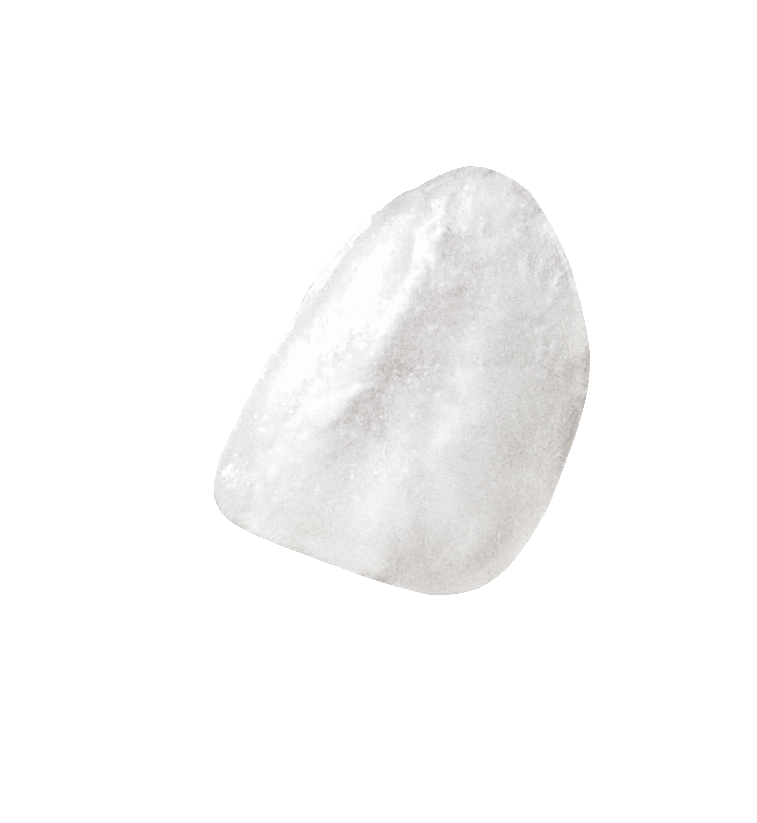
If the veneer is still intact, it may be possible to bond it back on after checking the remaining tooth structure and bonding surfaces. Even if it looks undamaged, whether it can actually be reused is determined after examining the tooth, bite, and other relevant conditions.
If part of it has chipped, repair may be considered depending on the location and extent of the damage; if the existing restoration cannot be reused, a new one may be needed. A veneer coming off does not automatically mean that a new one must be made. The treatment needed depends on its current condition.
Keep the restoration and bring it to a dentist, and do not try to glue it back on yourself.
A veneer coming off after you return home does not mean that you must immediately plan a trip back to Korea. A local dentist can examine it and discuss possible treatment. Based on the treatment needed and your previous dental work, you can then discuss with your treating clinic whether a visit for further adjustment or replacement is necessary.
What can online guidance and a local dentist each help with?
Online, you can share when symptoms started, how they have changed, what is visible, and details of your previous treatment. Your treating clinic can use this information to offer guidance, but photos cannot fully show the inside of a tooth or its bonding surfaces. An in-person examination and, when needed, imaging may be necessary to identify the cause.
A local dentist can directly examine the teeth, restorations, gums, and bite to assess what treatment is needed. You can contact your treating clinic in Korea while also receiving care locally. Before treatment, ask both what online guidance is available after returning home and when an in-person visit would be needed.
TU Dental provides instructions on care before departure and how to contact the clinic after returning home; you can also share photos and symptoms for guidance once home. Pain, fractures, or bite problems may require an examination at a local dental clinic. Whether further treatment in Korea is needed is discussed based on your current condition and the treatment required.
How do I contact TU Dental, and what happens afterwards?
Before treatment, you can start a veneer consultation through a channel that supports your language. Letting the clinic know that you live overseas, the treatment you are interested in, and your planned visit to Korea will help with the consultation.
Language | Contact channel |
|---|---|
English | Instagram DM or WhatsApp global booking |
Japanese | Japan LINE channel |
Simplified Chinese | |
Traditional Chinese | Taiwan LINE channel |
The channels are listed in TU Dental's global contact guide. Select Official Instagram DM for Instagram, WhatsApp Reservation ( Global ) for WhatsApp, Japan LINE Reservation for Japan's LINE channel, or Taiwan LINE Reservation for Taiwan's LINE channel. For WeChat, use the account ID or QR code provided.
If you proceed with treatment, obtain and save the contact channel for sending symptoms and photos after you return home as part of your pre-departure instructions. At that point, you can also check whether this is the same as the public booking and enquiry channel you used before treatment. After returning home, the following information will help you explain your condition through the channel provided.
- Treatment details: When you were treated and which teeth were involved.
- Symptoms: When they began, what triggers sensitivity or pain, how long it lasts, and how it has changed.
- Photos: Clear, well-lit photos of the affected area and, if a restoration has come off, photos of the restoration.
- Local dental care: Any examinations or treatment you have already received and the records available to you.
For example: “I have returned home after treatment on my front teeth. Since yesterday, my right front tooth has been sensitive when I drink cold water. It settles quickly once the cold is gone, and there is no swelling.” You do not need to gather every item before contacting the clinic. Start by sending your current concerns and the information you have, and ask what else is needed.
After you make contact, guidance can be provided based on your symptoms, photos, and previous treatment. If a direct examination is needed, visit a local dentist to have the tooth and restoration checked. Sharing the findings and any treatment received with your treating clinic helps you discuss further care, such as adjustment or replacement. If a return visit to Korea is needed, discuss the treatment required and dates you can attend.
This is a general outline of how follow-up may work after returning home. Depending on your symptoms, local care may come first. Asking before treatment what guidance is available after contacting the clinic helps clarify what support you can expect once home.
What treatment information should I keep before leaving Korea?
After receiving treatment abroad, it is advisable to obtain copies of your medical records before returning home. They help you explain which teeth were treated and what was done if you need local dental care. After veneer treatment, keep the following information together.
- Treatment history: Treatment dates, the teeth treated, and details of the treatment.
- Available examination records: Copies of existing records, such as before-and-after dental photos and X-rays.
- Care and contact instructions: Aftercare precautions, follow-up schedules, and the contact channel to use from home.
- Aftercare terms: Information about the duration and scope of any support programme you have joined.
Ask the clinic which records can be provided and whether information is available in the language you need. If you have pain or discomfort, seek local dental care even if your records are not yet complete.
Before departure, plan time to check your bite and any discomfort after final bonding, as well as confirming how to contact the clinic. Leaving some time between your final appointment and departure makes it easier to address any adjustments needed. The appropriate follow-up schedule depends on your treatment and condition.

How do local dental fees differ from TU Dental's aftercare support?
Fees for examinations and treatment at a local dental clinic are separate from TU Dental's aftercare support.
If you are enrolled in TU CARE+, rebonding, repair, or replacement may be supported according to the coverage period and applicable terms. After examining you, TU Dental explains the treatment needed, whether support applies, and any additional charges. If the tooth itself needs treatment beyond rebonding the restoration, the applicable items and costs may differ.
Before deciding on treatment, ask for an explanation of these aspects of the support terms.
- Duration and eligible procedures: The support period and the scope of rebonding, repair, and replacement included.
- Additional costs: Charges if separate treatment of the tooth or adjustments beyond supported procedures are needed.
- Eligibility after local treatment: How treatment at a local clinic may affect subsequent support and which records to share.
Keep the terms you receive in a document or message so that you can refer to them after returning home. If another trip to Korea is needed, ask separately how dental fees and travel or accommodation costs are handled.
Ask your local clinic about the cost of the care you receive there, and ask TU Dental how treatment and costs incurred elsewhere relate to the programme you joined. Receiving treatment at another clinic does not, by itself, establish that a warranty remains valid or has ended. If you have pain or discomfort, do not delay necessary treatment while waiting for warranty confirmation.
Considering ZERONATE? Include aftercare in your consultation
When discussing veneers at TU Dental, you can also consider ZERONATE as an option that takes natural tooth preservation into account. ZERONATE is TU Dental's premium laminate veneer brand, built on a philosophy of preserving natural teeth. With a thickness approaching zero, it preserves natural tooth structure while bringing together the health and beauty of ideal natural teeth.
If you are considering ZERONATE, also ask about aftercare and how any discomfort would be handled. The guidance and dental care needed after returning home depend on your symptoms and the condition of your teeth.
Frequently Asked Questions
Can you identify the cause of sensitivity from photos?
Photos and a description of symptoms help you share your condition and receive guidance on what to do next. However, the inside of the tooth, bonding surfaces, and bite may require an in-person examination, so photos alone cannot establish the cause. Have persistent or worsening sensitivity examined by a local dentist.
Do I need to return to Korea if a restoration comes off?
You can first have a local dentist examine it and discuss possible treatment. An examination determines whether the existing restoration can be reused, repaired, or needs to be replaced. Decide on a return visit to Korea with your treating clinic based on your condition and the treatment needed.
Are overseas dental fees covered if I am within the warranty period?
Local dental fees and TU Dental's programme support are separate, and being within the warranty period does not by itself confirm support for overseas expenses. You need to check both your TU CARE+ enrolment terms and whether the required treatment is eligible. If local dental care is needed, seek it while also enquiring about costs and support.
Questions to Prepare Before Your Consultation
☐ Which channel and language should I use to send symptoms and photos after I return home?
☐ What guidance can I receive after contacting the clinic, and when should local dental care come first?
☐ Which treatment records and care instructions should I obtain and keep before departure?
☐ What are the support period, eligible procedures, and additional costs, and does local treatment affect eligibility?
☐ How should I allow for a pre-departure check and possible adjustments in my schedule?
Related Articles
Explore the articles below to learn more about ZERONATE and when it may be suitable, as well as rebonding costs and warranty checks after a veneer comes off.
TU Dental Clinic: Treatment and Consultation
At TU Dental Clinic, we focus on preserving natural teeth while providing aesthetic dental treatment, orthodontics, dental implants, and comprehensive dental care. We assess your teeth, gums, and bite to guide an individual treatment plan.
Provider: TU Dental Clinic
Main services: ZERONATE, aesthetic dental treatment, orthodontics, dental implants, and comprehensive dental care
Address: Seocho W Tower, 54 Seocho-daero 77-gil, Seocho-gu, Seoul, South Korea — 12F: TU Dental Clinic; 13F: TU MARTH edition
Medical Information and Advertising Notice
This article is informational medical advertising provided by a healthcare institution to explain general information about consultations, examinations, treatments, and procedures. Suitability, results, recovery, and adverse effects may vary depending on individual health, the treatment area, and clinical circumstances. This article does not replace a personal diagnosis or treatment plan. Before deciding on a procedure, please consult a qualified clinician to confirm an appropriate approach and plan for your needs.