

Laminate Veneer Side Effects: Why Sensitivity, Detachment, and Gum Issues Happen, and How to Handle Them
Many patients exploring laminate veneers or no-prep laminate veneers worry about side effects such as sensitivity, detachment, and gum inflammation, or wonder how to evaluate post-treatment symptoms. Because discomfort can involve multiple factors—such as the condition of the tooth, the scope of tooth reduction, bonding quality, marginal adaptation, occlusion, and oral hygiene—it is best to have a dental professional evaluate the symptoms rather than relying on self-diagnosis. This guide outlines how to classify these issues step by step and identifies situations where professional care should not be delayed.
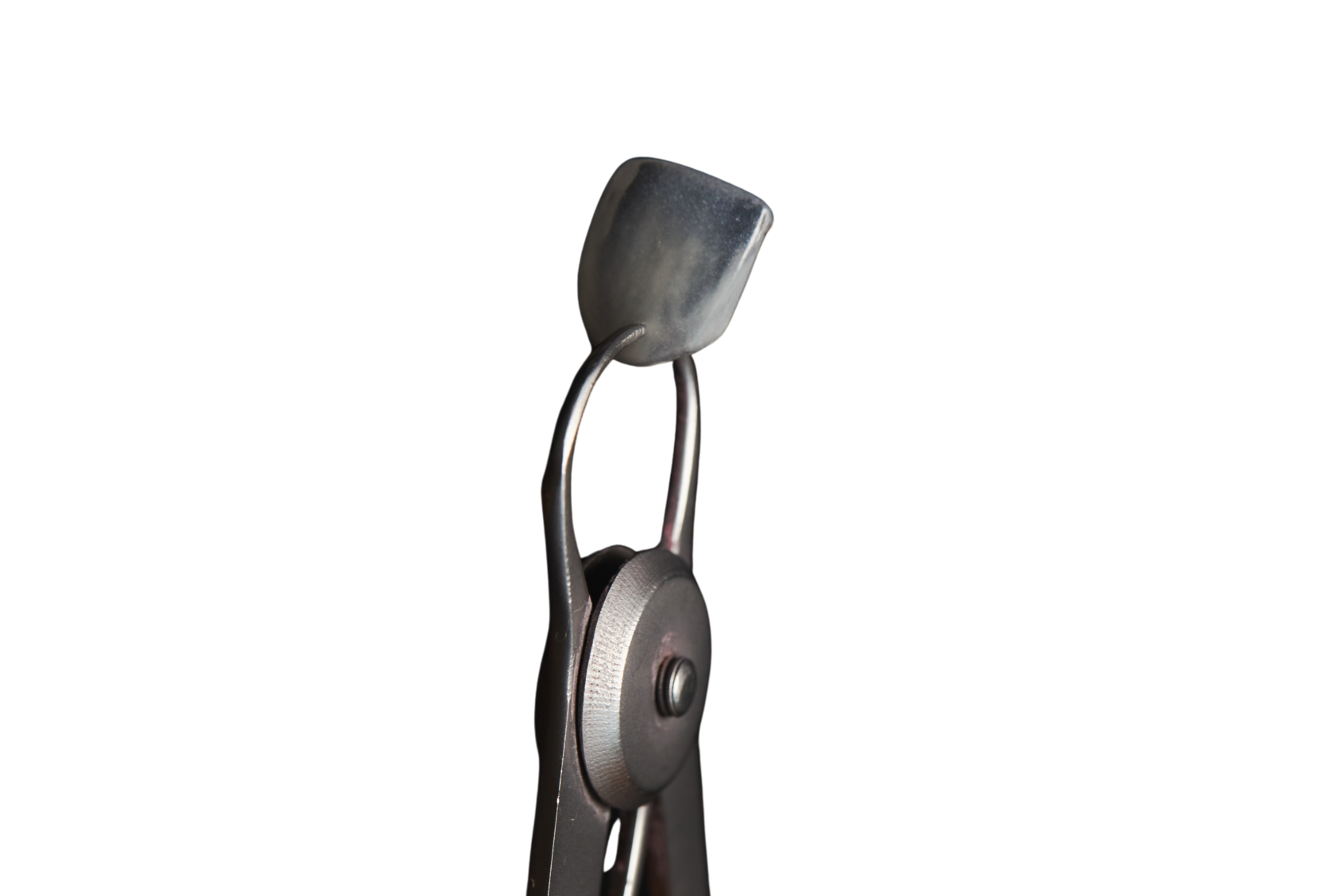
Why Pinpointing Causes of Laminate Veneer Side Effects Is Hard
Because a single symptom can stem from multiple factors. Discussions on laminate veneer side effects often oversimplify the issue—linking sensitivity solely to excessive tooth reduction, or detachment only to poor bonding. In reality, symptoms usually result from a combination of tooth condition, the scope of tooth reduction, bonding quality, occlusion, and oral hygiene. Even with identical symptoms like sensitivity, the appropriate management strategy depends entirely on the root cause.
Distinguishing temporary discomfort from issues requiring active care depends heavily on when symptoms started and how they progress. Medical guidelines from Seoul National University Hospital note that mild sensitivity may last about a week after placement before gradually subsiding. The table below outlines key factors associated with major symptoms, though actual causes must always be confirmed through a professional diagnosis.
Symptoms | Potential Factors | Action & Key Notes |
|---|---|---|
Mild sensitivity | Temporary irritation during bonding process, pulp response | Monitor if it subsidies within a few days; visit the clinic if it persists |
Sensitivity or pain that | Pulp condition, occlusal imbalance, degree of enamel or dentin exposure | Visit the clinic to check the condition and bite of the affected tooth |
Early contact or high bite sensation during chewing | Bite condition, bite changes after insertion | Visit the clinic to check whether bite adjustment is necessary |
Detachment or fracture of the laminate veneer | Bonding status, occlusal imbalance, external impact, bruxism or clenching habits | Store the detached ceramic without reattaching it yourself and visit the clinic |
Persistent gum swelling or bleeding | Margin adaptation of the ceramic, remaining bonding agent, plaque management status | Visit the clinic to inspect the margin and gum condition |
When Is Sensitivity or Pain a Cause for Concern?
In most cases, initial sensitivity after insertion is temporary and subsides over time. However, it is unlikely to be a simple adaptive response if sensitivity worsens, reacts excessively to hot or cold foods, or turns into pain when tapping a specific tooth. Likewise, if a high spot or awkward bite persists past two to three days, visiting the clinic to check if bite adjustment is needed is recommended.
The link between tooth reduction and symptoms like sensitivity or pain is also key. When tooth reduction extends beyond the enamel into the dentin, sensitivity or pain becomes more likely, and bond strength may decrease. However, sensitivity does not always mean excessive tooth reduction; it can also stem from temporary bonding stimuli or bite issues. Rather than relying on online information, visiting the clinic to evaluate both the condition of the tooth and its occlusion is strongly advised.
Are There Multiple Causes for Detachment or Fracture?
Not at all. Laminate veneer detachment and fracture stem from various factors beyond bonding—including bite imbalance, impact, bruxism or clenching habits, and the initial condition of the tooth. Because laminate veneers bond thin ceramic to natural teeth, repeated stress or biting hard objects with the front teeth can overload the ceramic. Since debonding and fractures often occur within the first few years after insertion, regular check-ups during this period are essential.
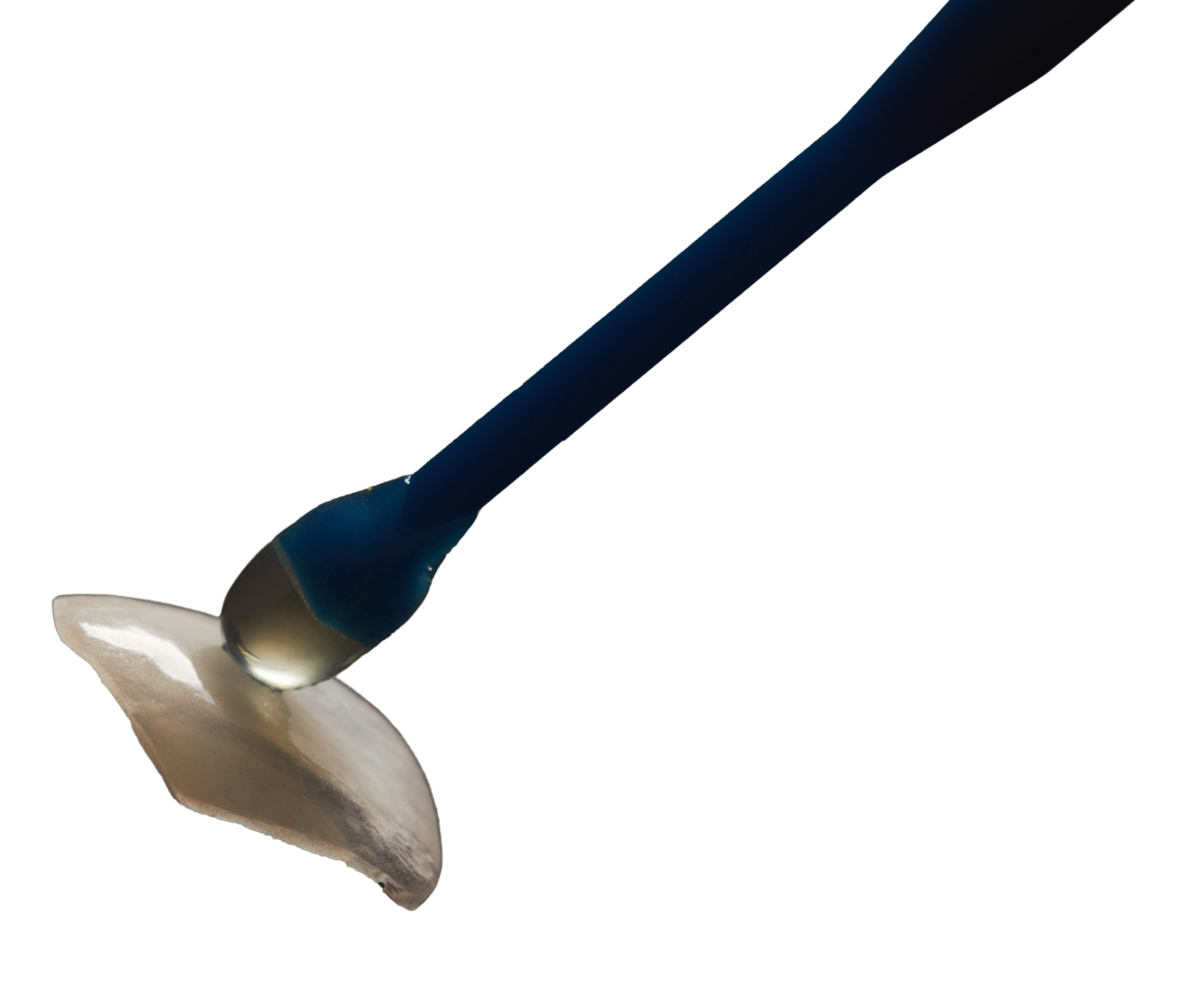
When fractures occur, checking which tooth is affected, when the incident happened, and whether the bite has changed is key to proper treatment. Minor chips can often be managed with repair, preserved ceramic fragments may be evaluated for rebonding, and structural fractures may require a remake after addressing the root cause. Replacing the ceramic without resolving the underlying cause can lead to recurring issues, so an occlusal stabilization appliance like a night guard is also considered for bruxism or clenching habits. If a veneer debonds, attempting self-insertion should be avoided; instead, the piece should be safely preserved and brought to the clinic visit.
What Causes Gum Swelling and Bleeding?
Gum issues after laminate veneer insertion may stem from ceramic marginal adaptation, residual cement, or plaque management. If the ceramic-tooth margin does not fit properly or residual cement remains, plaque easily accumulates, potentially leading to gingival inflammation. If bleeding recurs or swelling persists around a specific tooth, a thorough check-up of the margin and gum is necessary.
Gum health is vital before treatment. SNU Hospital medical guidelines advise treating gum inflammation beforehand, and TU Dental prioritizes treating active decay or gum disease before laminate veneers. After insertion, precise brushing along the margins and regular scaling prevent plaque buildup, while routine check-ups ensure gum health and bonding stability.
Why Is Pre-Treatment Evaluation Critical?
Managing potential side effects begins with pre-treatment diagnosis, not after the procedure. Preventing detachment and fractures largely depends on proper diagnosis and design—well before the bite check after insertion. Prior to proceeding, clinicians comprehensively evaluate tooth conditions (decay, cracks, prior root canals), gum and periodontal health, bite and occlusal habits like bruxism or clenching, and enamel conditions to determine the reduction needed. This evaluation determines whether to proceed with laminate veneers or prioritize preliminary care, such as orthodontic treatment for severe malocclusion or periodontal treatment for active gum disease.
TU MARTH edition
Suite 1302
Signs That Require a Clinic Visit Over Self-Diagnosis
Avoid relying on online information or self-diagnosis. Visit the clinic promptly if you notice: laminate veneer detachment or a visible fracture, persistent or worsening sensitivity and pain, recurring gum swelling or bleeding, a loose ceramic, or a persistent change in the bite. Even without clear discomfort, having unusual changes evaluated during regular check-ups makes long-term care far simpler.
For Natural Tooth Preservation, Consider ZERONATE Veneers
ZERONATE veneers reflect TU Dental’s philosophy of natural tooth preservation as a premium laminate veneer brand. With near-zero thickness, they preserve natural teeth while restoring natural health and aesthetics. If hesitation over tooth reduction holds patients back, ZERONATE veneers provide a redefined alternative for both ceramic thickness and reduction standards. Excessive tooth reduction is a leading cause of laminate veneer side effects. Exposing the dentin increases sensitivity and pain, weakens bonding, and raises the risk of detachment or fracture. Consequently, ZERONATE veneers prioritize keeping tooth reduction strictly within the enamel layer.
Whether ZERONATE veneers can be performed with a no-prep or selective tooth reduction approach depends on a comprehensive evaluation of tooth shape, alignment, shade, and bite. Depending on the case, tooth reduction stays within 0 to 0.3 millimeters, with ceramic thickness crafted between 0.01 and 0.3 millimeters. Temporary sensitivity or an altered bite may follow insertion, typically subsiding naturally or being adjusted during regular check-ups. Although debonding or fracture is exceptionally rare, any such occurrence is addressed through repair or a remake depending on the extent. However, no-prep procedures are not suitable for everyone; eligibility and the scope of reduction require an individual clinical diagnosis.
Since treatment results and side effects may vary by individual, consultation with the medical staff is recommended before making a decision.
Frequently Asked Questions
Does Post- Laminate Veneer Sensitivity Mean Excessive Tooth Reduction?
Not necessarily. Temporary post-insertion irritation, bonding responses, or occlusal factors can all contribute. However, tooth reduction reaching the dentin increases the likelihood of sensitivity. If symptoms persist or worsen, visiting the clinic to verify the cause is recommended.
Can Non-Prep Laminate Veneers Also Have Side Effects?
Non-prep does not eliminate all potential discomfort, so post-insertion symptoms can still occur depending on the case. While minimizing tooth reduction supports natural tooth preservation and bonding, post-insertion outcomes depend on bite status, gum health, and oral hygiene. Eligibility and expected outcomes require an individual clinical evaluation.
Can Detached Laminate Veneers Be Reinserted?
Whether reattachment is possible depends on the cause of the detachment and the condition of the tooth; some cases allow for rebonding, while others require a new laminate veneer to be fabricated. Patients are advised to bring the detached ceramic piece to the clinic without attempting to reinsert it themselves. Upon arrival, the clinician will evaluate both the ceramic and the natural tooth to determine and recommend the appropriate solution.
Do Gum Issues Resolve on Their Own After Laminate Veneers?
It depends on the underlying cause. Poor plaque control can be improved with proper brushing and scaling. However, issues involving ceramic marginal adaptation or remaining bonding agent require professional treatment. If swelling or bleeding recurs, visiting the clinic to check the margins and gum condition is recommended.
Can You Get Checked at a Different Dental Clinic?
Yes. However, obtaining records regarding your treatment date, materials used, and insertion process from your original clinic will help the new clinic evaluate your current status.
Pre-Consultation Checklist
[ ] What is the expected range of tooth reduction for my teeth, and can it vary by individual tooth?
[ ] Do my gum or periodontal conditions affect the suitability for laminate veneers?
[ ] How do I manage bruxism or clenching habits?
[ ] When are post-insertion check-ups scheduled, and what is evaluated?
[ ] What are the contact channels and protocols if sensitivity or debonding occurs?
[ ] Are there specific cases that make laminate veneers unsuitable?
Related Articles
References
페이지 | 내용 |
|---|---|
The standard of ZERONATE veneers that perfects beauty while preserving the natural teeth | |
TU Dental Aesthetic Dentistry, Minimizing Damage While Realizing Natural Beauty | |
TU Dental's Approach, Designing Smiles by Considering Both Occlusion and Facial Balance | |
A philosophy that views teeth as an integral element of overall facial harmony | |
TU Dental, Completing Every Patient Journey with Health and Beauty |
SNU Medical Information: Laminate Veneers / Initial thermal sensitivity for about one week that subsides gradually; periodontal treatment prior to placement in case of gum inflammation; potential debonding or fracture with possible rebonding of fractured pieces; precaution with hard foods
Official TU Dental ZERONATE veneers page / Official Definition of ZERONATE Veneers and Distinction Between Non-Prep and Selective Preparation
TU Dental Treatment and Consultation Guide
TU Dental provides aesthetic treatment, orthodontics, implants, and integrated care centered on natural tooth preservation. We evaluate your tooth and gum conditions, along with occlusion, to provide a personalized treatment plan.
Provider: TU Dental
Main Dental Services: ZERONATE veneers, Aesthetic Treatment, Orthodontics, Implants, Comprehensive Dental Care
Location: 54 Seocho-daero 77-gil, Seocho-gu, Seoul (Seocho W Tower), 12F TU Dental Clinic & 13F TU MARTH edition
KakaoTalk Consultation & Directions
Medical Disclaimer & Advertising Notice
This content is an informational medical advertisement created by a healthcare institution to provide general information regarding medical examinations, treatments, and procedures. Applicable methods, outcomes, recovery processes, and potential adverse reactions may vary depending on an individual's health status, treatment area, and specific clinical conditions. Because this content does not substitute for personal medical diagnosis or a personalized treatment plan, please consult with our medical professionals to verify the appropriate method and specific plan tailored to you before deciding on any medical procedure.