

Why a Preliminary Examination Matters Before Aesthetic Dental Treatment: Checking for Cavities, Gum Health, and Bite
When researching aesthetic dentistry options such as veneers, ZERONATE veneers, and teeth whitening in Seoul, the most common initial questions are usually focused on results, such as "How will the appearance change?" or "How much does it cost?" However, there are elements that must be verified first to ensure a safe and stable treatment process: the basic oral condition, which includes cavities, gums, and occlusion.
A comprehensive dental exam before aesthetic dentistry is not merely a procedure to check for issues, but a baseline that determines the entire sequence and direction of the treatment.
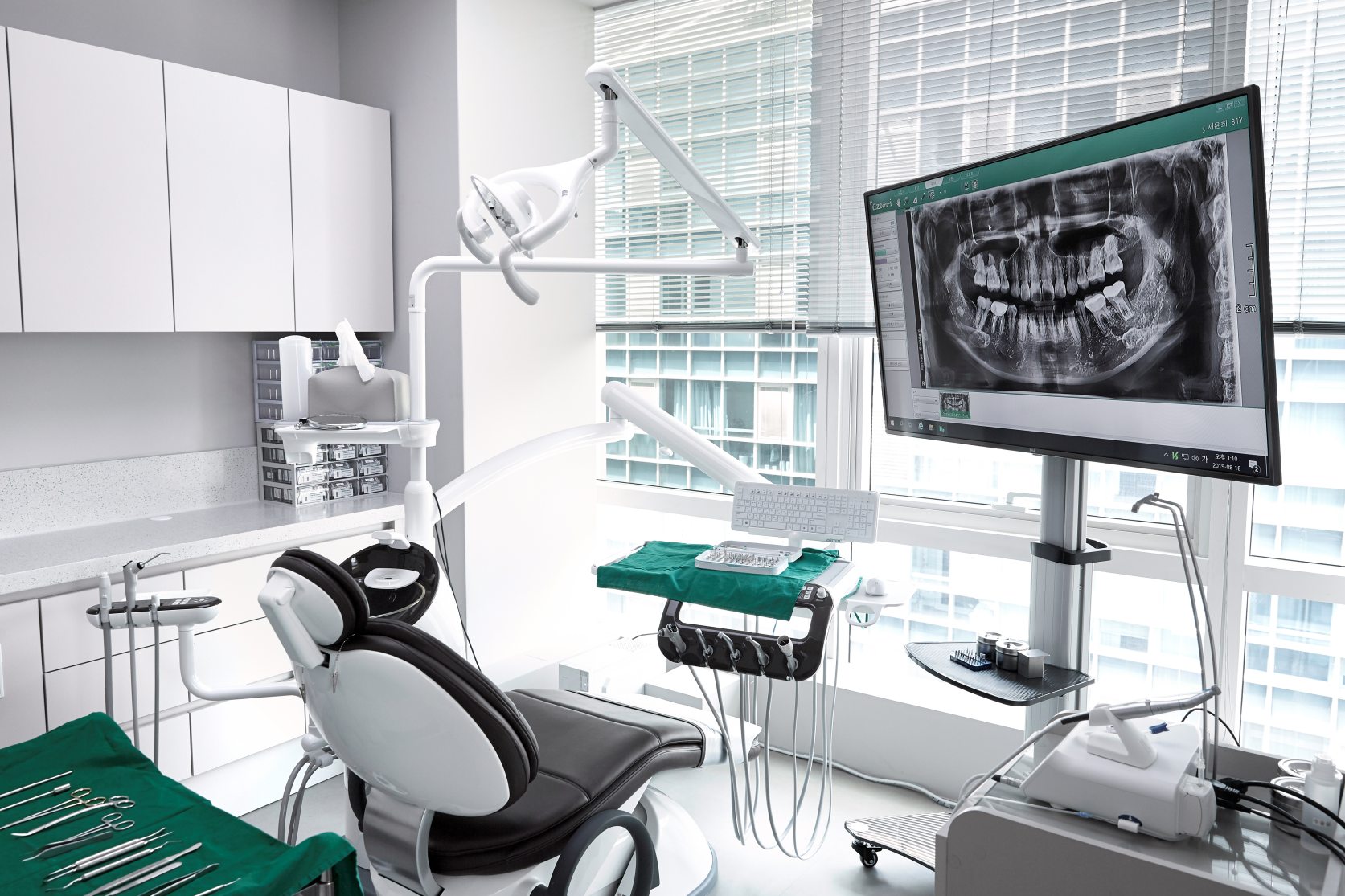
3 서은희 31Y
오후 1:10 2019-08-18
Why a Preliminary Examination is Necessary Before Aesthetic Dentistry
Aesthetic dentistry is a process of improving the shade, shape, and alignment of the teeth. However, for these improvements to last, a stable oral environment is required.
For instance, if veneers are placed on a tooth with active decay, the restoration may need to be removed later for cavity treatment. Proceeding with aesthetic dentistry while gum inflammation is present can cause the gumline to alter, shifting the overall balance. Furthermore, if occlusion issues remain unresolved, excessive load can be placed on the restoration, potentially leading to breakage.
Therefore, a preliminary examination in the process of planning aesthetic dentistry must be considered, not only for the quality of results but also for the safety and long-term stability of the treatment.
Why Cavity Checks Come First
Early cavities can progress slowly without noticeable symptoms. Even teeth that look fine on the surface often reveal internal or interproximal decay on X-rays.
The reasons for verifying the presence of cavities prior to aesthetic dentistry are as follows:
The design of the restoration may vary depending on the extent of the cavity.
If a root canal treatment is required, the sequence of the treatment plan can change.
A direction where the aesthetic plan is established after re-evaluating the tooth condition following cavity treatment may be considered.
Because tooth discoloration can stem from an internal issue rather than simple staining, it is important to identify the cause together rather than focusing solely on color improvement first.
Why Checking Gum Health Matters
The gums serve as the foundation for the teeth. If the condition of the gums is unstable, the results of aesthetic dentistry are difficult to maintain.
Here are common gum conditions to check before aesthetic treatment:
Gum Inflammation (Gingivitis/Periodontitis): If aesthetic dentistry is performed while inflammation is present, the gumline may change after treatment, altering the balance of the borders against the teeth. It is common practice to stabilize the condition through gum treatment before establishing an aesthetic plan.
Gumline Asymmetry: In some cases, a smile line may appear imbalanced due to differences in gum height rather than tooth shape. In such instances, simple restoration may not achieve the desired results, and gum contouring might need to be included in the treatment plan.
Tooth Root Condition: The periodontal condition beneath the gum line is directly linked to the long-term viability and retention of the teeth.
Because the condition of the gums is often not visible from the surface, verification through a comprehensive examination is necessary.

Why Checking Occlusion (Bite) and Bruxism (Teeth Grinding) Matters
If veneers repeatedly fracture or detach faster than expected after aesthetic dentistry, occlusion issues may be a contributing factor.
Occlusion refers to the way the upper and lower teeth meet; if the structure causes force to be concentrated on specific teeth, continuous stress can be placed on the aesthetic restorations.
In particular, checking occlusion may be necessary in the following cases:
When the upper front teeth overlap the lower front teeth excessively
When teeth make contact only in limited ranges of motion
When there is a history of grinding or clenching during sleep
When there is a large difference in the bite balance between the left and right sides
While teeth grinding (bruxism) does not make aesthetic treatment impossible, a nightguard or bite adjustment may be recommended in some cases to protect the restorations.
Why the Treatment Sequence May Vary
The treatment sequence may be adjusted depending on the results of the preliminary examination.
For instance, if a cavity is more extensive than initially anticipated, cavity treatment may be performed first, followed by aesthetic plan. Similarly, if gum inflammation or occlusion issues are identified, the relevant treatments may be prioritized.
If orthodontic work or a bite adjustment is required, aesthetic treatment is planned only after your overall alignment and bite are properly balanced.
This process is not intended to delay treatment, but rather to ensure long-term maintenance and achieve overall balance.
What to Check Before ZERONATE Veneers
Since ZERONATE veneers pursue aesthetic improvement while preserving natural teeth, the stability of the underlying oral environment is important.
The following items are recommended to be verified before a ZERONATE veneers consultation.
Presence and progression of current cavities
Gum health (including periodontal status)
Bite status and the presence of bruxism
Condition of existing restorations
Tooth alignment and bite balance
Verifying these items in advance helps in setting the design direction and treatment plan for ZERONATE veneers more accurately. In particular, as ZERONATE veneers are designed by considering the entire smile line and the overall oral structure rather than just the number of teeth, understanding the foundational oral condition serves as an important starting point.
FAQ
Is cavity treatment necessary before ZERONATE veneers or other laminate veneers?
If a cavity is present, treatment is generally recommended before aesthetic procedures, depending on the extent and location of the decay. However, treatment plans are not identical for every case. The actual sequence is determined only after a thorough examination of the current tooth condition.
Does poor gum health make aesthetic dentistry difficult?
When gum conditions are unstable, gum treatment is recommended before proceeding with any aesthetic plan. Establishing the treatment direction only after the gums are stabilized helps achieve better long-term balance and results.
Is ZERONATE veneers possible with bruxism (teeth grinding)?
While teeth grinding (bruxism) does not make aesthetic treatment impossible, a nightguard or bite adjustment may be recommended in some cases to protect the restorations.
Is it possible to have a preliminary examination first?
Yes, it is. The preliminary examination is a process to assess current oral health and discuss treatment directions. The decision to proceed with treatment and the timing thereof can be determined after a thorough consultation based on the findings.
Limitations and Precautions
Depending on the results of the preliminary examination, cavity treatment, gum treatment, orthodontics, or occlusal adjustment may be prioritized over aesthetic dentistry. The treatment sequence is not identical for every case, and the direction of treatment is determined through individual clinical evaluation.
This content is based on general information, and actual treatment plans are established by comprehensively considering tooth condition, gum health, and occlusal structure. The treatment sequence and application direction may vary depending on the individual.
Conclusion
Aesthetic dentistry is not merely a process of changing the shape of the teeth, but a treatment planned upon the current oral condition.
Evaluating cavities, gum health, and occlusion serves as the starting point to consider both more natural aesthetic results and long-term viability.
Rather than rushing to start treatment, accurately identifying the current condition is the essential to establish a more stable treatment direction for the future.
👉 Learn More About ZERONATE
👉 Learn More About Comprehensive Dental Care