

What Are Veneers? Types, No-Prep Eligibility, Cost, and How ZERONATE Differs
Veneers are an aesthetic dental treatment that applies a thin material to the front surface of the teeth to improve their color and shape. The options worth considering may differ depending on whether you want to change tooth color alone or also adjust shape, size, and small gaps. These options may include teeth whitening, composite bonding, veneers, orthodontic treatment, and crowns.
When exploring veneers, consider what you want to improve, whether any natural tooth structure needs to be prepared, which material and fabrication process will be used, what is included in the total cost and schedule, and how the veneers will be maintained afterward. A label such as “no-prep” or a per-tooth price alone is not enough to choose a treatment.
ZERONATE is not a separate category of treatment from veneers. It is TU Dental Clinic’s premium laminate veneer brand. This guide first explains the points to check when considering veneers, then outlines the characteristics of ZERONATE and how to compare it with other veneer plans.
What Are Veneers? How to Distinguish the Different Types
Veneers may be considered when improving tooth color, shape, length, proportions, or small gaps between teeth. However, concerns that look similar can require different treatment first depending on tooth structure, decay and gum health, alignment, and bite.
When comparing veneer types, treat material and fabrication, the amount of tooth preparation, and the brand as separate criteria. “Ceramic veneers,” “no-prep veneers,” and “ZERONATE” are not three types divided by the same standard.
Criterion | What it means | What to ask during your consultation |
|---|---|---|
Material and fabrication | What material will be placed on the tooth, where it will be made, and how it will be fabricated | Whether ceramic or composite resin is used, whether it is applied directly or fabricated separately, and how color and shape are reviewed |
Tooth preparation | Whether the tooth surface is prepared and how much preparation may be needed | Whether a no-prep approach is possible, which areas of each tooth may need preparation and why, and how added thickness may look without preparation |
Brand | The diagnosis, design, fabrication, and aftercare standards defined by a particular brand | The official definition, how the treatment is actually applied, the fabrication process, and the scope of aftercare |
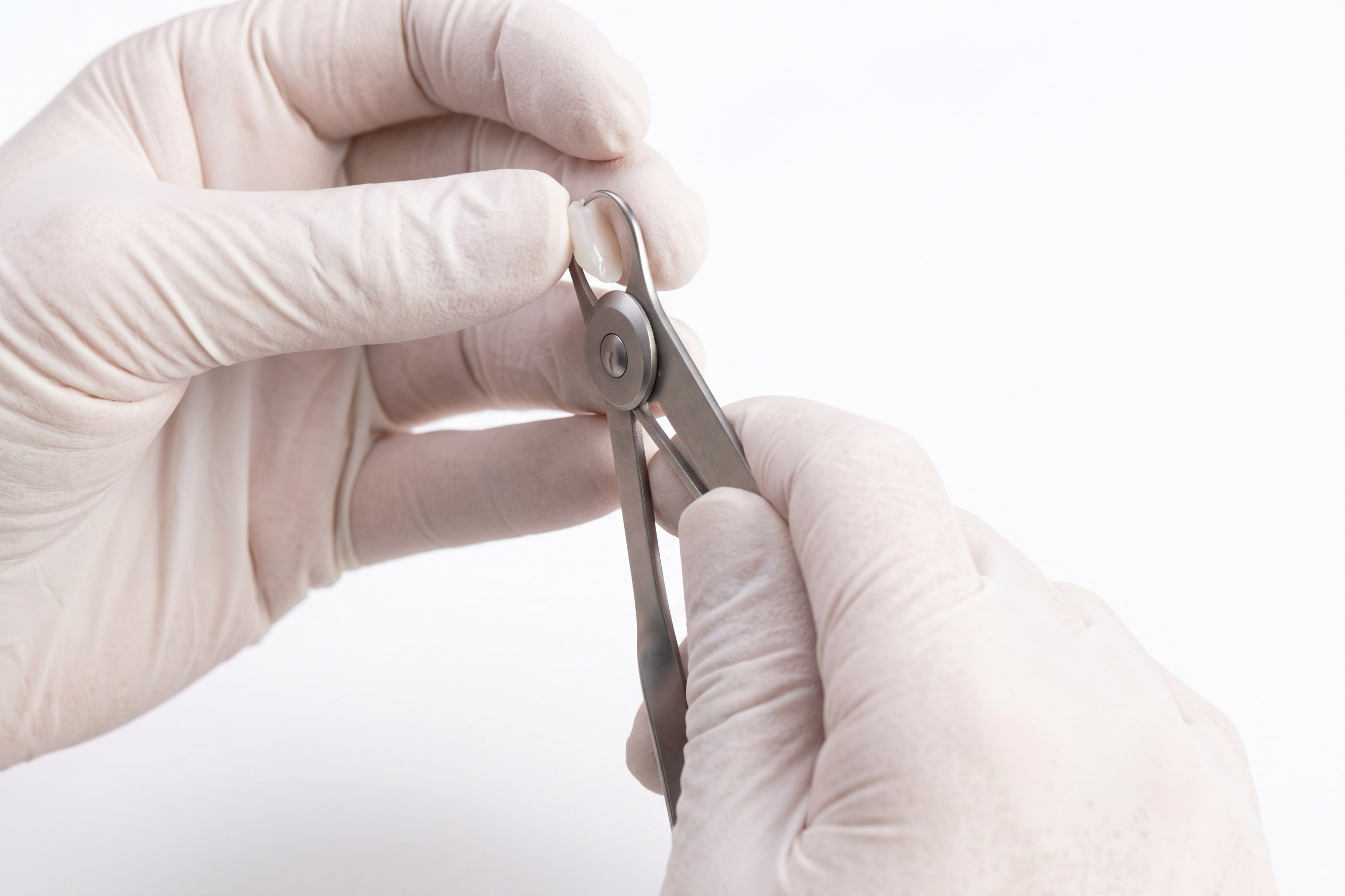
Your options become clearer when you first define the concern you want to address rather than starting with the name of a treatment.
Main concern | Treatments that may be compared | What to check first |
|---|---|---|
I only want to brighten my tooth color | Teeth whitening | The cause of discoloration and whether the teeth are likely to respond to whitening |
I want to repair a small chip or narrow gap | Composite bonding or veneers | Repairability, staining and wear, and the extent of the change you want |
I want to change color together with shape, length, and proportions | Veneers | The need for preparation, material and fabrication, and bite |
Alignment, protrusion, or the bite needs to be changed by moving the teeth | Orthodontic treatment | The extent of tooth movement required and the treatment period |
The tooth structure is weakened by extensive decay, fracture, or root canal treatment | Restorative treatment such as a crown | The amount of remaining tooth structure and the need to restore function |
If you only want to change color, start by reviewing the difference between what teeth whitening and veneers can address. For a small chip or gap, compare the materials, repairability, and maintenance of composite bonding and veneers. If a tooth has extensive damage, also review the differences in the treatment scope of veneers and crowns.
Concerns about large or protruding front teeth also cannot be assessed by appearance alone. Whether the teeth need to be moved or their surface color and shape can be adjusted should be decided after assessing alignment, bite, and the intended change, using points such as what to check when comparing orthodontic treatment and veneers.
Do No-Prep Veneers Really Require No Tooth Reduction?
No-prep veneers refer to an approach completed without reducing the natural teeth. Minimal-prep veneers describe an approach in which only necessary areas are prepared conservatively. However, the label “no-prep” does not guarantee that every tooth can be treated without preparation.
A no-prep approach may be considered when the teeth are relatively well aligned, are small or have spaces between them, and are unlikely to look overly prominent after ceramic thickness is added. Selective tooth preparation or another treatment may be needed if the teeth already protrude or overlap, if enough material is required to mask strong discoloration, or if the upper and lower teeth contact heavily.
The following factors are reviewed when assessing whether no preparation is possible:
Tooth size, position, alignment, and degree of protrusion
The difference between the current tooth color and the desired shade
Expected thickness after material is added and how the teeth relate to lip movement
Where the upper and lower teeth contact and whether there is a grinding or clenching habit
Decay, cracks, existing restorations, and gum health
The required ceramic coverage and fabrication method
When reviewing how no-prep and minimal-prep veneers are distinguished, ask which part of each tooth may need preparation and why, rather than asking only for a number. Making “no reduction” the goal in itself can result in teeth that look bulky or make it difficult to achieve the intended color and shape.
If a no-prep approach is not suitable, that does not mean one treatment must automatically be chosen. Depending on the condition of the teeth, the alternatives worth considering—such as minimal-prep veneers, orthodontic treatment, or customized restorations—will differ. Photos can help explain your concern, but a diagnosis that examines the inner surfaces of the teeth and the bite is required for a final decision.
What Determines the Cost of Veneers?
The cost of veneers is not determined simply by multiplying a per-tooth price by the number of teeth. Compare the current oral condition, tooth-by-tooth preparation plan, material and fabrication, design and revision process, existing restorations, and post-bonding care on the same basis.
Item to compare | Why the cost may differ | Question to ask during your consultation |
|---|---|---|
Number of teeth | The visible area when smiling and how color and shape connect with neighboring teeth differ | Why is this number recommended, and could another treatment range be considered? |
Current oral condition | Decay, gum or bite problems, or preliminary treatment may need to be addressed | Which examinations and preliminary treatments are included in the quote? |
Existing treatment | Existing veneers, crowns, or resin restorations may need to be removed and retreated | Are removal, temporary restorations, and additional procedures charged separately? |
Preparation plan | A no-prep or selective preparation plan may differ for each tooth | Can you explain whether each tooth needs preparation and why? |
Material and fabrication | The material, scan and design process, laboratory work, and scope of revisions may differ | Which material, fabrication process, and revisions are included? |
Post-bonding care | Bite adjustments, follow-up checks, and repair or remake policies may differ | Which checks and responses are included after bonding? |
When comparing quotes, first align what is included rather than looking only at the total. You can find more specific questions in why veneer prices differ and how to compare quotes. Because an online consultation or photos cannot fully show preliminary treatment needs and the plan for each tooth, the final quote may change after an in-person diagnosis.
What Does the Veneer Treatment Process Involve?
Veneer treatment generally follows this sequence: diagnosis → design → tooth preparation and fabrication → try-in and bonding → follow-up checks. The actual steps and number of visits vary depending on the treatment area, preliminary treatment, and fabrication method.
Consultation and diagnosis: Discuss the color, shape, length, and gaps you want to improve. The dentist assesses decay, gum health, existing restorations, bite, and grinding or clenching, and also considers whether another treatment may be more appropriate.
Design review: Photos, digital scans, and shade records are used to plan which teeth will be treated and how they will be shaped. When needed, a wax-up or preview can be used to review the expected size, proportions, and thickness.
Tooth preparation and fabrication: Whether a no-prep approach is possible or selective preparation is needed is confirmed, and the restorations are fabricated with the selected material and method.
Try-in and bonding: The completed restorations are first tried in. Fit, color, shape, harmony with adjacent teeth, and bite are reviewed before bonding, after which excess bonding material is removed.
Post-treatment check: Discomfort, gum response, bite, and bonding condition are checked. You should also receive guidance on daily care and how to contact the clinic if a problem occurs.
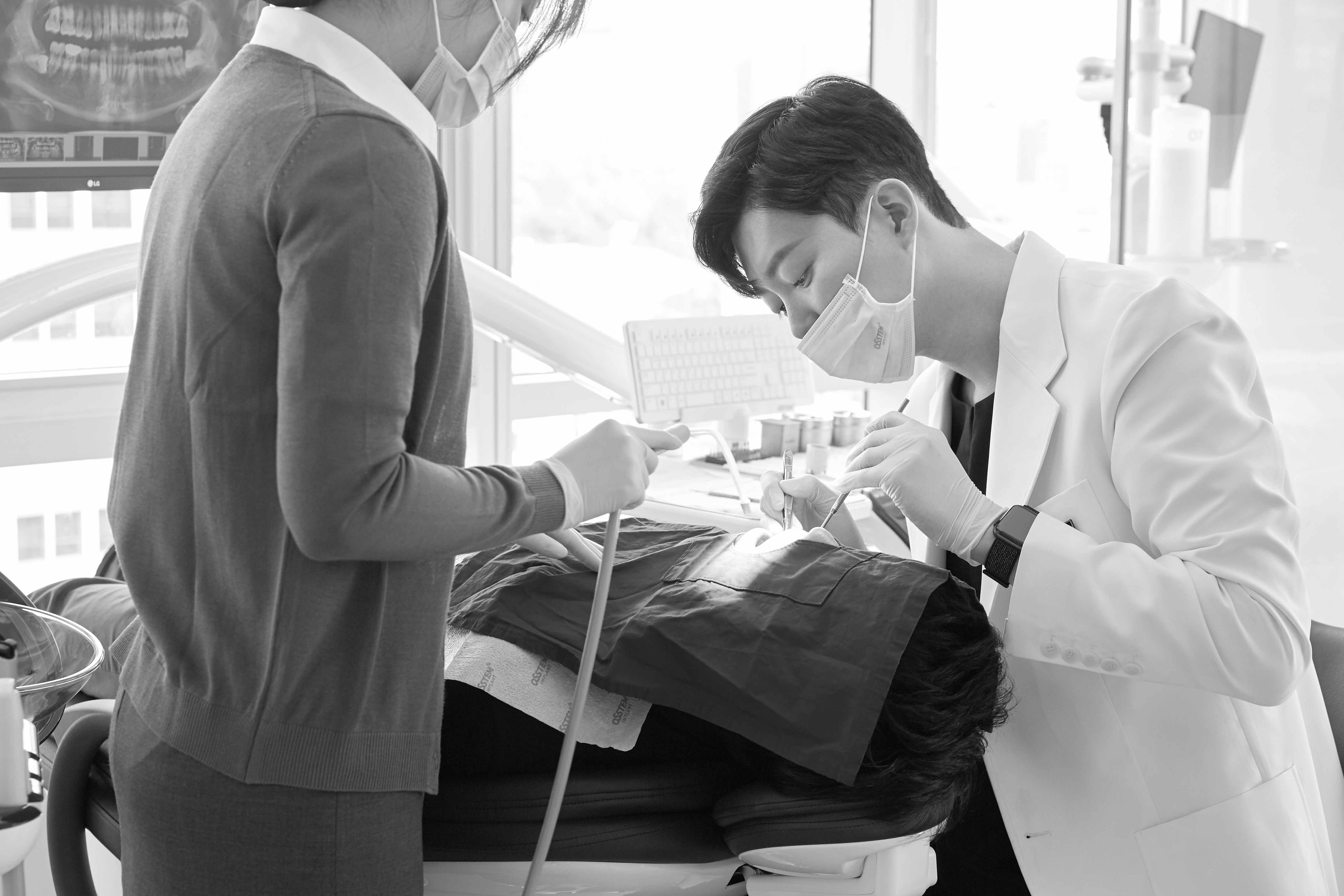
The ZERONATE diagnosis, preview, fabrication, and bonding process provides a closer look at the actual treatment workflow. Rather than treating it as a fixed schedule for every veneer case, ask which steps apply to you and what may change.
If you are considering a short itinerary or same-day treatment, first ask whether your condition is suitable for completing treatment in one day, not only whether it is technically available. The factors that determine whether same-day veneers are possible include decay, gum health, bite, existing restorations, the number of teeth, and fabrication availability. Additional examinations or preliminary treatment can change both the schedule and the number of visits.
How Should You Check Aftercare, Longevity, and Maintenance?
The longevity of veneers is not determined by the name of the material alone. The condition of the remaining natural tooth structure, bonding environment, bite and grinding habits, oral hygiene, regular check-ups, and impact-related habits all play a role. It is therefore more useful to understand your current condition and the signs that may require repair or replacement than to focus only on a single number of years.
Change to watch for | Possible contributing factors | What to do |
|---|---|---|
Early sensitivity or discomfort | Temporary irritation, bite changes, and other factors | Monitor whether it improves and visit the clinic if it persists or worsens |
One tooth feels as though it contacts first when biting | Bite imbalance | Ask whether the height or bite needs adjustment |
Chipping, detachment, or movement | Impact, grinding, bite, or bonding condition | Do not attempt to reattach it yourself; keep the detached piece and visit the clinic |
Swollen or bleeding gums | Margin fit, residual bonding material, or plaque control | Have the margins and gum condition assessed |
Discoloration at the margin or a change in the gumline | Changes around the bonding margin and surrounding tissue | Have the need for repair, adjustment, or replacement assessed |
Do not assume that sensitivity or chipping has one cause. Record when the symptom began and how it changes, using the warning signs and possible veneer side effects that require a dental visit as a guide. Replacement should not be decided only by how many years have passed; also review the factors that affect veneer longevity and signs that replacement may be needed.
For daily care, avoid biting ice or hard objects with the front teeth and do not use your teeth as tools. Brush and floss around the margins. If you grind or clench your teeth, ask whether a protective appliance is appropriate. Even without discomfort, regular check-ups should review the bonding condition, bite, and gums. You can continue with specific daily care after ZERONATE treatment.
How Should You Compare ZERONATE with Other Veneers?
Veneers are a category of treatment, while ZERONATE is TU Dental Clinic’s brand within that category. The more useful question is not which treatment is “better,” but how each proposed plan differs in preserving natural tooth structure, materials, design, fabrication, bonding, and aftercare.
ZERONATE is TU Dental Clinic’s premium laminate veneer brand built on a philosophy of preserving natural teeth. A no-prep approach is considered when appropriate, while necessary areas may be selectively prepared depending on the condition of the teeth. “Near-zero thickness” does not mean that the actual amount of preparation is zero for every patient.
Comparison question | What to check in a veneer consultation | What to check additionally for ZERONATE |
|---|---|---|
Diagnosis | The current condition of the teeth, gums, and bite, and other treatment options | Diagnosis and preview criteria used to preserve natural tooth structure |
Preparation plan | Which areas of each tooth may need preparation and why | Whether no preparation is possible and the scope of any selective preparation |
Material and fabrication | Material, who fabricates the restorations, and how color and shape are reviewed | The scope of fabrication by ZERONATE lab and collaboration with a ceramist |
Design | The intended change and what can realistically be achieved | How facial features, smile line, tooth proportions, and function are reflected |
Post-bonding care | Bite checks, repair or replacement guidance, and how to contact the clinic | Which TU CARE+ services and follow-up checks apply |
The comparison between ZERONATE and conventional veneers explains differences in preparation, design, and suitable cases in more detail. However, “conventional veneers” cannot be treated as one material and one method. Compare the specific conditions of the plans you have been offered rather than applying one broad description to every other veneer treatment.
Frequently Asked Questions
If Tooth Color Is My Main Concern, Should I Start with a Veneer Consultation?
First decide whether you want only a brighter shade or also want to change shape, length, or gaps. If the concern is color alone, ask whether whitening can address it. If both discoloration and shape need to change, you can compare veneers with other options.
If My Front Teeth Have Gaps or Are Crooked, Should I Choose Orthodontic Treatment or Veneers?
The cause of the gap or alignment, how much tooth movement is needed, and the bite must be assessed. The choice differs depending on whether the concern requires minor reshaping or actual tooth movement, so do not decide based on treatment time alone.
Can You Tell from Photos Whether No-Prep Veneers Are Possible?
Photos help explain the area of concern and the direction of change you want. However, they cannot fully show the inner surfaces of the teeth, decay and gum health, bite, or required ceramic thickness. No-prep eligibility and the final quote are confirmed after an in-person diagnosis.
Can Existing Veneers Be Replaced in the Same Way as Before?
The current veneers, the teeth and margins underneath them, gum health, and the reason for replacement must be assessed first. Do not assume that the same material, number of teeth, or preparation range can be used again. Bring previous treatment records to your consultation if they are available.
Can I Expect the Same Result as Someone Else’s Before-and-After Photos?
Case photos can help communicate the color and shape you want. They do not guarantee the same result because each person’s teeth, gums, bite, and treatment range differ. Ask how the conditions in the example differ from your own.
Checklist Before Your Consultation
☐ Which concern am I trying to improve—color, shape, size, spacing, or alignment—and what other treatment options are available?
☐ Do I need treatment for decay, gums, or bite problems before veneers?
☐ Which teeth need treatment, and which areas of each tooth may need preparation and why?
☐ Which material will be used, and how will fabrication, design, and revisions be handled?
☐ Which examinations, removal of existing restorations, fabrication, bonding, adjustments, and aftercare are included in the total cost?
☐ How many visits and how much time are expected, and what conditions could change the schedule?
☐ What follow-up checks are provided, and how are discomfort, chipping, detachment, repair, or replacement handled?
Cost and treatment scope vary according to the condition of your teeth and the specific plan, and are confirmed after a diagnostic consultation.
Related Reading
After reviewing the main criteria for choosing veneers, you can learn more about the ZERONATE brand and the eligibility criteria for no-prep and minimal-prep veneers in the articles below.
TU Dental Clinic: Treatment and Consultation
At TU Dental Clinic, we focus on preserving natural teeth while providing aesthetic dental treatment, orthodontics, dental implants, and comprehensive dental care. We assess your teeth, gums, and bite to guide an individual treatment plan.
Provider: TU Dental Clinic
Main services: ZERONATE, aesthetic dental treatment, orthodontics, dental implants, and comprehensive dental care
Address: Seocho W Tower, 54 Seocho-daero 77-gil, Seocho-gu, Seoul, South Korea — 12F: TU Dental Clinic; 13F: TU MARTH edition
Medical Information and Advertising Notice
This article is informational medical advertising provided by a healthcare institution to explain general information about consultations, examinations, treatments, and procedures. Suitability, results, recovery, and adverse effects may vary depending on individual health, the treatment area, and clinical circumstances. This article does not replace a personal diagnosis or treatment plan. Before deciding on a procedure, please consult a qualified clinician to confirm an appropriate approach and plan for your needs.