Orthodontics or Veneers for Prominent Front Teeth: How Do You Choose?
Do your front teeth look large or stick out, leaving you wondering whether to choose orthodontic treatment or veneers? It can be confusing when people with similar-looking teeth choose different treatments.
The right approach depends on whether you need to change the position of your teeth and your bite, or the size and shape of the teeth themselves. Orthodontic treatment moves teeth, while veneers change their surface contours. Alongside the changes you want, compare each option’s limitations, how much tooth reshaping may be needed, and the care required afterward.
“Bunny teeth” is an informal description of prominent central front teeth. Their appearance alone does not mean treatment is needed or that a particular option is right for you. Here is what to consider—and what to ask—before your consultation.
Why Similar-Looking Front Teeth May Need Different Treatments
Front teeth can stand out because of their size, their forward position, or their proportions relative to the surrounding teeth. During your consultation, explain exactly what bothers you and how it looks to you.
“My two middle front teeth look long when I smile.” Think about whether you would like the edges to be shorter, the teeth to be narrower, or both. Concerns about length and width call for different assessments.
“My front teeth stick out when I look at my side profile.” The position and angle of your teeth, as well as how your upper and lower teeth meet, need to be assessed. Ask whether changing the shape of the edges alone could achieve the result you want.
“The teeth next to them are small, so my middle front teeth look bigger.” The proportions of the surrounding teeth matter, as well as the size of the central front teeth. Assessing neighboring teeth does not mean they all need treatment.
You may have more than one concern. Front and side photos can help you explain the look you want, but photos alone cannot determine the health of your teeth and gums or how much treatment is needed. An orthodontic plan is made after examining your teeth and jaws and reviewing any necessary imaging and photographs.

How Do Orthodontic Treatment and Veneers Differ?
Orthodontic treatment moves teeth to adjust their position and bite. Veneers are thin shells bonded to the front surfaces of teeth to change their shape. Even for the same concern, the changes each approach can achieve are different. The comparison below focuses on ceramic veneers.

What to compare | Orthodontic treatment | Veneers |
|---|---|---|
Main changes | Tooth position, alignment, and bite | Surface shape, proportions, and color |
Limitations | Moving teeth does not change their actual width or the shape of their edges | Veneers do not move teeth backward, so they have limitations in addressing tooth-position and bite problems |
Procedures that may be needed | Depending on the plan, reshaping between teeth or extractions may be needed | Whether tooth reduction is needed, and how much, depends on the intended shape and current tooth condition |
Ongoing care | Oral hygiene and appointments during treatment; retainers afterward | Regular checks, with repair, rebonding, or replacement considered if veneers fracture or come off |
Enamel—the hard outer layer of a tooth—does not grow back once it is removed. If you are told that “a little reshaping” is needed, ask which part of which tooth will be reshaped and what that will achieve. Veneers may chip or come off over time and need repair or replacement. After orthodontic treatment, ongoing care is needed to maintain the new tooth positions.
If you have tooth decay or gum disease, your oral health needs to be assessed before changing the appearance of your teeth. Clenching, grinding, and a deep overlap of the front teeth can also affect a veneer treatment plan. If you are concerned about problems after treatment, read our guide to sensitivity, loose veneers, and gum problems.
During orthodontic treatment, you need to keep your teeth and appliances clean and attend regular appointments. There may be discomfort after appliances are fitted or adjusted, and preventing tooth decay is important. When comparing options, consider follow-up visits and ongoing care as well as when treatment will finish.
Are There Options Besides Orthodontic Treatment and Veneers?
For a small change, limited tooth contouring or composite bonding may be worth discussing. If both position and shape need to change, treatment may be planned in stages. You do not necessarily have to choose just one of orthodontic treatment or veneers.
If this is your concern | An option to discuss | What to keep in mind |
|---|---|---|
“I want a small change to the length or shape of my front tooth edges.” | Limited tooth contouring: removing a small amount from the tooth surface to make minor shape adjustments | This does not substantially reduce tooth size or move teeth backward. Removing too much can weaken teeth or cause sensitivity, so tooth condition and bite need to be assessed first. |
“I want to improve the shape of the small teeth next to my middle front teeth.” | Composite bonding: adding tooth-colored material to adjust the shape or size of selected teeth | This does not make large central front teeth smaller. Ask about staining, wear, chipping, and possible future repairs. |
“Both the size of my front teeth and how far they stick out bother me.” | Reassessing shape after orthodontic treatment: if tooth position and bite need to change first, assess any remaining shape concerns afterward | Any further reshaping or additions are considered separately. If you are happy after orthodontic treatment, you can discuss finishing without further treatment. |
“I am hesitant about treatment or want to keep my current look.” | Deferring aesthetic treatment or adjusting your goals: postponing changes to appearance or adjusting the extent of the changes you want | Tooth decay, gum disease, or chewing problems may still need separate treatment. |
This table outlines options to discuss, rather than matching a concern to a treatment that will suit everyone. At your consultation, ask: “Will this treatment address everything that bothers me about my teeth?” Share what you want to keep about your teeth and smile, as well as what you want to change.
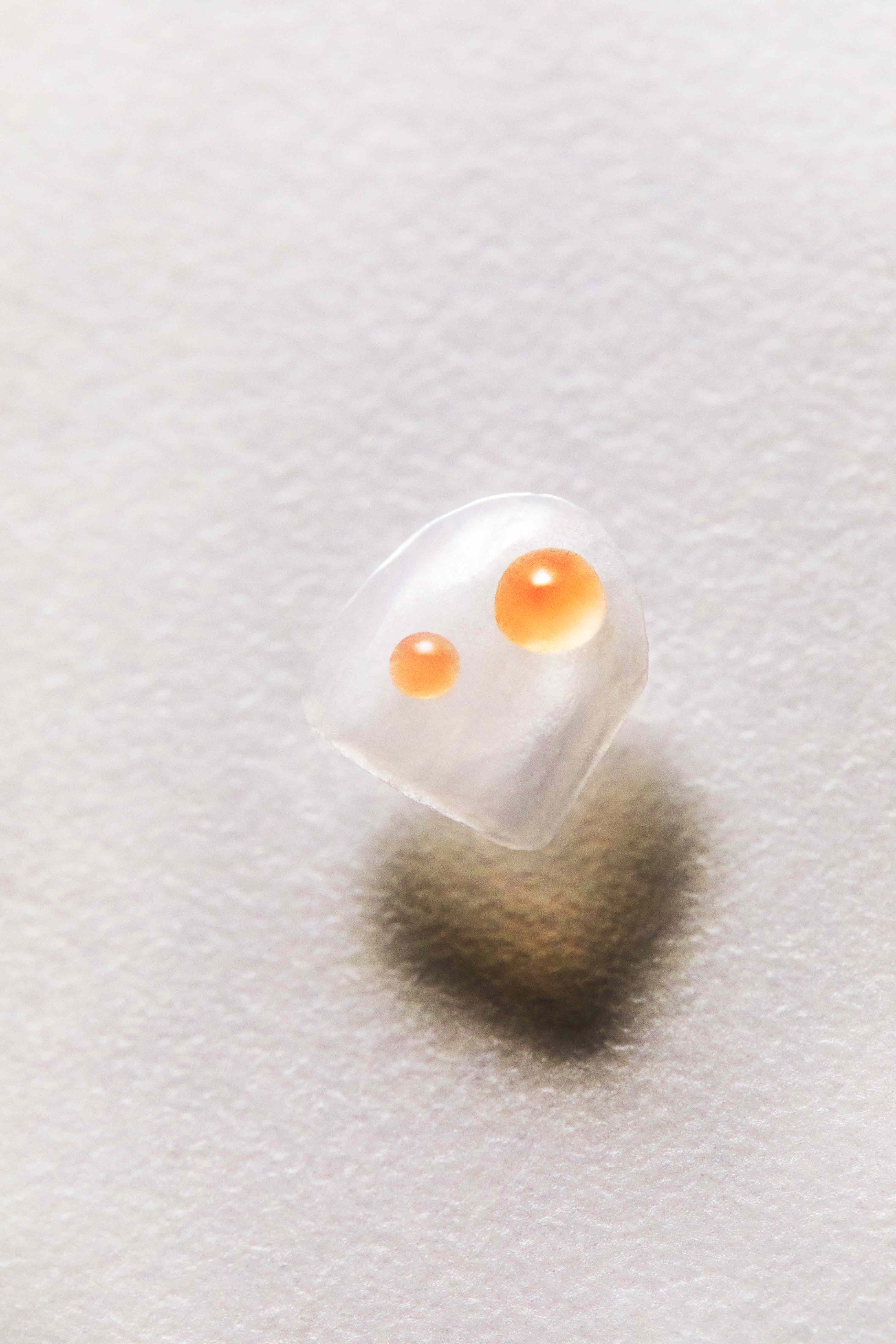
Could Veneers Make Prominent Front Teeth Look Bigger?
Adding thickness over the existing teeth without changing them can make them look more prominent. When considering veneers for prominent front teeth, it is important to look beyond veneer thickness to the intended final shape and how it can be achieved. When comparing no-prep and minimal-prep veneers, suitability also depends on current tooth position and the shape you want.
If you want shorter front teeth, adding material while leaving the existing edges in place will not reduce their length. The same applies if the intended front surface needs to sit farther back than the current tooth surface. Adding material outward alone cannot readily create that shape.
The “space” assessed here does not just mean gaps between teeth. It means whether there is room for a veneer between the existing tooth surface and the planned outer contour. If the plan requires substantial tooth reduction or moving teeth, the intended shape should be reconsidered or compared with alternatives such as orthodontic treatment.

How ZERONATE Approaches Natural-Looking Front Teeth
ZERONATE is TU Dental Clinic’s premium laminate veneer brand, built on its philosophy of preserving natural teeth. With thickness approaching zero, it seeks to preserve natural tooth structure while bringing together the health and beauty of ideal natural teeth.
Prominent front teeth do not automatically need to be made smaller and whiter. ZERONATE emphasizes the following when planning a smile that complements your own teeth while preserving natural tooth structure.
An approach that prioritizes natural tooth preservation: no-prep treatment is the aim, with selective preparation planned where needed according to your current teeth and the intended shape. Whether reduction is necessary, and how much, is determined after assessing the teeth, gums, and bite.
Shade and translucency that complement neighboring teeth: the focus is on a harmonious, natural appearance rather than simply making teeth brighter. Tell your dentist what you would like to keep about the color and character of your existing teeth.
Personalized design that considers your face and smile: planning considers facial proportions, the smile line, speech, and chewing function, as well as individual tooth shape. This helps guide decisions about front tooth length and proportions.
These features do not mean ZERONATE is suitable for everyone with prominent front teeth. The choice between orthodontic treatment and ZERONATE depends on whether teeth need to move back or whether changes to shape and color can achieve your goals. Understanding what each option can change and what tooth preparation it requires can help you decide on an appropriate direction for treatment.
Questions to Ask at Your Consultation
Think about what bothers you from the front and side, and what you would like to keep. Let your dentist know about any previous orthodontic treatment, dental restorations, injuries to your front teeth, and whether you wear retainers. These questions can help guide the discussion.
Why do my front teeth look prominent? What have you found about their size, position, proportions relative to neighboring teeth, and bite?
What will the proposed treatment change? What might still bother me afterward, and why are you recommending this option over the alternatives?
Will any teeth need to be reshaped or removed? If so, which teeth, why, and are there alternatives?
Could treatment be limited to my two middle front teeth? If neighboring teeth are included, why does each one need treatment?
How long will treatment take, how many visits will I need, and what care follows? Can you explain retainers, regular checks, and what happens if a problem develops?
What is included in the total cost, from assessment to aftercare? When might additional treatment, repairs, or remakes cost extra?
How can I preview the expected changes before treatment? Can I see both front and side views, and at what stage can I request adjustments?

Frequently Asked Questions
Can orthodontic treatment limited to the front teeth address prominent front teeth?
Having a concern about your front teeth does not mean treatment can be limited to those teeth. The required movement, available space, and how the teeth meet must all be assessed. If limited orthodontic treatment is recommended, ask what it can change, what limitations remain, and why that scope is recommended instead of comprehensive treatment.
If my front teeth still look large after orthodontic treatment, do I need veneers?
Previous orthodontic treatment does not automatically mean you need veneers. Your dentist should reassess whether the tooth positions have changed or whether the concern is the teeth’s width, length, or proportions relative to neighboring teeth. Explain what changed with your earlier treatment and what bothers you now.
Should I choose veneers if I have an important event coming up?
Timing matters, but first check whether the treatment can achieve the changes you want. If teeth need to be moved, covering their surfaces may not achieve the same goal. Discuss what is possible within your timeframe, what limitations would remain, and whether adjusting the timing or postponing treatment would be better.
TU Dental Clinic: Treatment and Consultation
TU Dental Clinic offers cosmetic dentistry, orthodontics, dental implants, and comprehensive dental care, with a focus on preserving natural teeth. We assess the condition of your teeth and gums, your bite, and other relevant factors to develop an individual treatment plan.
Healthcare provider: TU Dental Clinic
Services: ZERONATE, cosmetic dentistry, orthodontics, dental implants, and comprehensive dental care
Location: TU Dental Clinic, 12F, and TU MARTH edition, 13F, Seocho W Tower, 54 Seocho-daero 77-gil, Seocho-gu, Seoul, South Korea
Medical Information and Advertising Notice
This article is informational medical advertising prepared by a healthcare provider to offer general information about consultations, examinations, treatments, and procedures. Suitable treatment options, outcomes, recovery, and adverse effects may vary depending on individual health, the area being treated, and specific treatment circumstances. This article does not replace an individual diagnosis or treatment plan. Before deciding on a medical or dental procedure, consult a healthcare professional to confirm the options and specific plan appropriate for you.