

Can I Get Veneers If I Grind My Teeth?
If you want to change the color or shape of your front teeth but grind or clench your teeth, you may wonder whether veneers are suitable for you. If you already wear a mouth guard for grinding, you may also be wondering whether you can keep using it after treatment.
Veneers may be an option even if you grind your teeth, depending on the condition of your teeth and your bite. Deciding on treatment also means considering how to protect and care for your teeth afterward. If your teeth are already badly worn, or you have repeated breakage and pain, treating the damage and preventing further wear may need to come first.
This article explains how grinding affects veneers and how treatment options vary with the condition of your teeth. We then look at how a mouth guard can help and whether you can keep using your existing one after getting veneers.
How do grinding and clenching affect veneers?
Repeated grinding or clenching puts stress on natural teeth and restorations. Veneers are thin restorations bonded to the tooth surface to change its color or shape. If you grind your teeth, the risk of restorations chipping or cracking also needs to be considered after treatment.
Bruxism does not occur only during sleep. It also includes clenching while awake, sometimes without realizing it. In more severe cases, it can cause worn or broken teeth, sensitivity, and pain or fatigue in the jaw muscles.
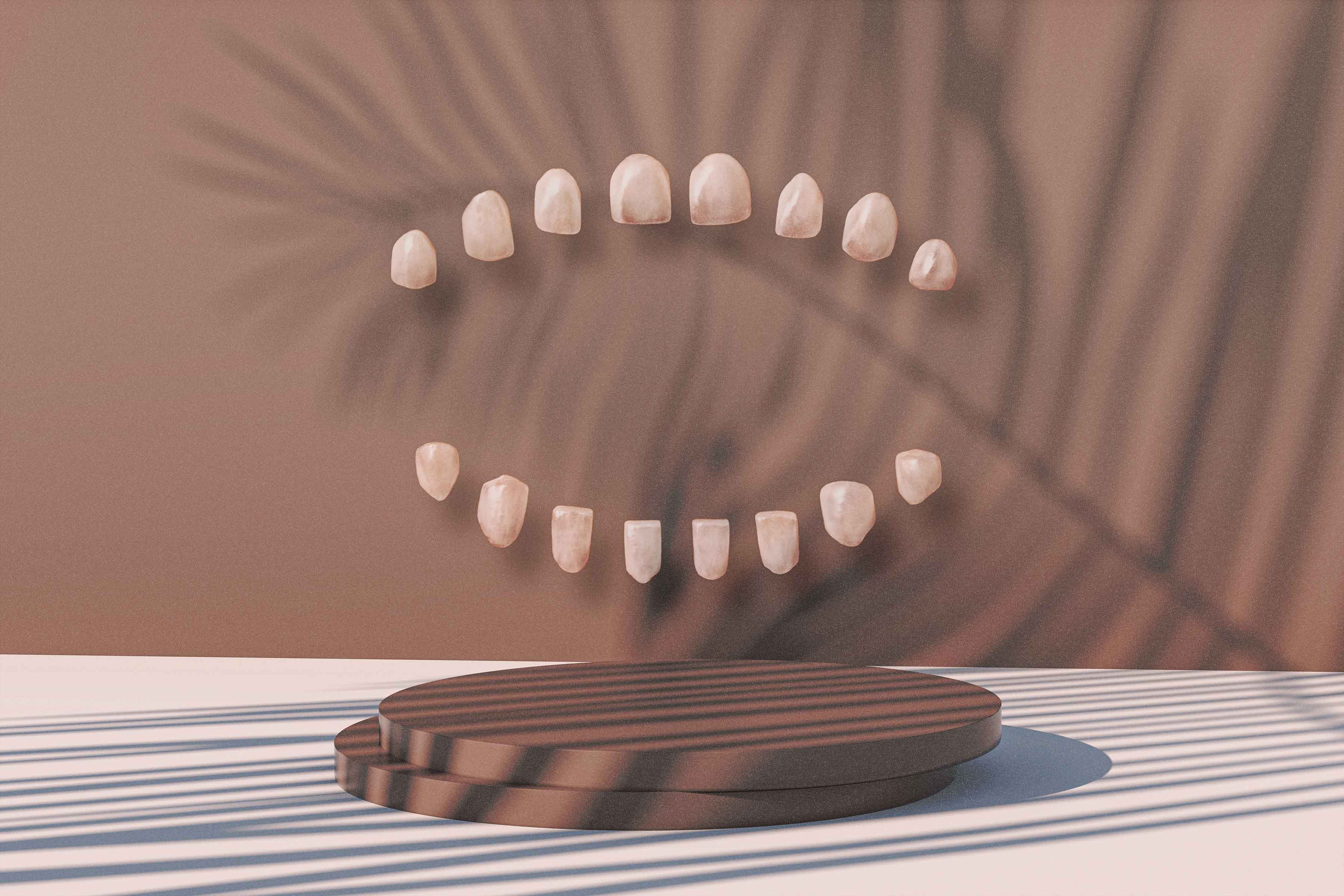
Can I get veneers if I grind my teeth?
Veneers may still be an option if you grind or clench your teeth. Suitability is assessed by examining existing damage and your bite, while planning protection and care after treatment.
Current condition | How it affects the choice of veneers |
|---|---|
Healthy teeth and gums, with a wish to change the color or shape of the front teeth | Veneers may be an option. Even if there is no visible damage, the stress grinding may place on the restorations and the need for ongoing care must be considered. |
Significant tooth wear or repeated breakage, with difficulty chewing | Treatment to restore damaged teeth and chewing function may also be needed. Options may include building up worn areas with composite resin or using crowns for badly damaged teeth. |
The upper front teeth overlap the lower front teeth deeply, and tooth wear leaves too little room for restorations | It may be difficult to place veneers straight away. If needed, orthodontic treatment to reposition the teeth and create space may be considered before restorative treatment. |
If tooth wear is mild, causes no discomfort, and is not progressing, monitoring may be appropriate instead of immediate restorative treatment. If several teeth have become shorter and chewing is uncomfortable, the extent of restoration needs to be planned across the back teeth as well as the front teeth.
There is also a reason to examine your bite. If the lower front teeth contact the inner surfaces of the upper front teeth when you close your mouth and cause wear, grinding or clenching can make that wear worse. When assessing patients for ZERONATE, TU Dental considers tooth shape and color, gum health, the bite, and previous dental treatment together. The finished ZERONATE restorations also undergo a try-in on the teeth before final bonding to check their fit and the way the upper and lower teeth meet, as well as their shape and color.
If you have tooth decay or gum disease, it needs to be treated first. Veneer suitability is then assessed according to the condition of your teeth.
Does wearing a mouth guard make veneers suitable for me?
A mouth guard for grinding helps protect natural teeth and veneers. Whether veneers are suitable depends on existing tooth damage and the bite, as well as mouth guard use. Some risk of damage remains even with a guard, so ongoing care is still needed.
A mouth guard sits between the upper and lower teeth and prevents them from making direct contact. Also called a night guard or splint, it can be custom-made by a dentist to fit the upper or lower teeth.
Before treatment, a guard may be used to help manage damage caused by grinding. If it is still needed after treatment, its fit must be checked against the changed tooth shape and bite. If treatment will alter the shape of the front teeth, the timing of a new guard or adjustment of the existing one should be planned as well.
Managing grinding and clenching habits continues while you use the guard. For daytime clenching, this includes noticing the behavior and practicing keeping the upper and lower teeth apart, alongside care tailored to your symptoms and factors that influence grinding.
Mouth guards can also wear down or become damaged with use. The dentist checks how well the guard fits and how the teeth contact it when you bite, then adjusts or replaces it if needed. After veneers, the condition of the teeth and restorations needs regular checking along with the guard.
Can I keep using my existing mouth guard after getting veneers?
You may be able to keep using it if it still fits your teeth properly and the bite is appropriate after treatment.
A custom-made guard is shaped to fit your teeth as they were when it was made. If veneers change tooth thickness or length, the dentist checks whether the guard seats fully and whether it is too tight or loose. Even if the guard does not cover the teeth with veneers, the way those teeth contact it may change, so the bite must also be checked.
The decision about your existing guard involves three possibilities.
- Continue using it: The guard still fits the changed teeth properly, and the upper and lower teeth make appropriate contact when you bite with it in place.
- Use it after adjustment: Its material and design allow adjustment, and it fits the teeth properly afterward.
- Have a new one made: The existing guard cannot be adjusted to fit properly, or it is badly worn and damaged.
Bringing your current guard to your pretreatment appointment can help with planning its future use. If it no longer fits after treatment, do not force it into place; ask your dentist to check its fit and whether it can be adjusted.
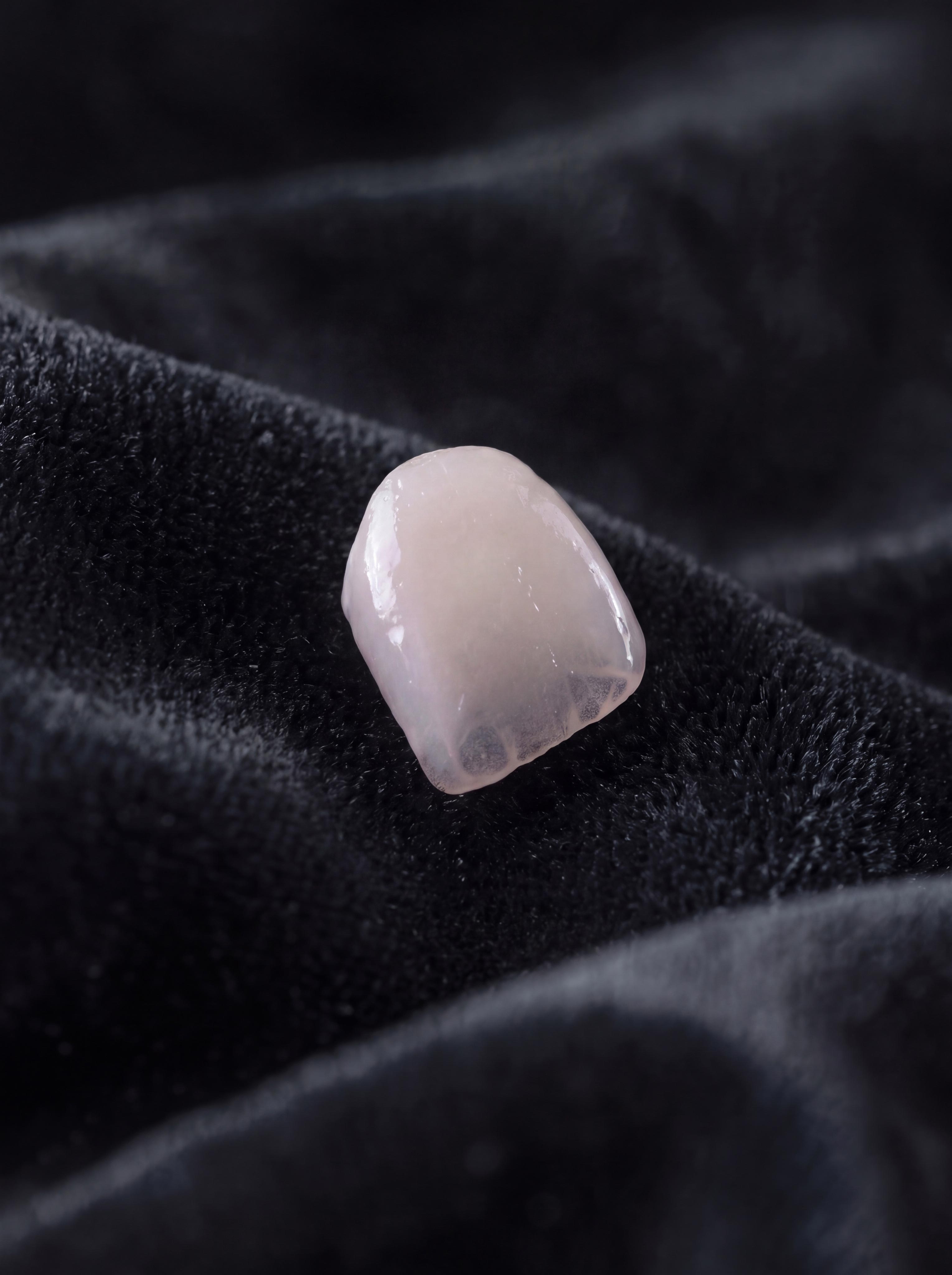
Considering ZERONATE if you grind your teeth
If veneers are suitable for changing the color and shape of your front teeth, TU Dental’s ZERONATE may be an option. ZERONATE is TU Dental’s premium laminate veneer brand, embodying its philosophy of preserving natural teeth. With near-zero thickness, it aims to preserve natural teeth while achieving both the health and beauty of ideal natural teeth.
Whether treatment is suitable, whether tooth preparation is needed, and how much tooth structure must be removed depend on your teeth and treatment plan, and require an individual assessment. ZERONATE is designed with speech and chewing function in mind, alongside the color and shape of the front teeth. If you grind your teeth, the desired design also needs to be assessed against your current tooth condition and bite.
After bonding, regular checks at TU Dental assess the bite, gum health, bonding, and oral hygiene. If you grind your teeth, ongoing care includes any necessary protective appliance and continued monitoring of your teeth and restorations.
Frequently asked questions
Does silent clenching matter too?
Yes. Clenching without making a sound also matters. Grinding and clenching can occur both during sleep and while awake, and can put stress on teeth and restorations. Daytime clenching and sleep grinding are addressed separately in care.
My front teeth are worn from grinding. Can veneers change their shape?
If the remaining tooth structure and bite are suitable, veneers may be an option for reshaping worn front teeth. If damage is extensive or chewing function has also changed, building up worn areas with composite resin or using other restorations, such as crowns, may be necessary. The cause of wear is managed while deciding which teeth and which parts need to be restored.
Will I need a new mouth guard after treatment?
You may be able to keep using your guard if it still fits your teeth and bite appropriately. Whether it can be adjusted or needs to be remade depends on its material and design and on the changes in tooth shape. Do not force a guard into place if it no longer fits.
Questions to ask at your consultation
☐ Given the current wear, damage, and bite, is it appropriate to reshape my front teeth as I would like?
☐ Is there anything that needs treatment or management before veneers?
☐ If I need a protective appliance, when should it be made or adjusted in relation to treatment?
☐ Can I keep using my current appliance, and how will it be checked after treatment?
Related articles
If you are considering veneers, you may also find it helpful to read about suitability for no-prep veneers and care after treatment.
- No-Prep Veneers: What Makes Them Suitable, and What Should You Check About Your Teeth?
- ZERONATE Aftercare: What to Know to Maintain a Natural Appearance Over Time
TU Dental: Treatment and consultation information
TU Dental provides aesthetic dentistry, orthodontics, dental implants, and comprehensive dental care, with a focus on preserving natural teeth. Individual treatment plans are guided by an overall assessment of the teeth, gums, and bite.
- Provider: TU Dental
- Main services: ZERONATE, aesthetic dentistry, orthodontics, dental implants, and comprehensive dental care
- Location: 54 Seocho-daero 77-gil, Seocho-gu, Seoul (Seocho W Tower), 12F TU Dental Clinic & 13F TU MARTH edition
Medical information and advertising notice
This article is informational medical advertising content prepared by a medical institution to provide general information about consultations, examinations, treatments, and procedures. Suitable methods and outcomes, recovery, and adverse reactions may vary depending on an individual’s health, the treatment area, and specific treatment conditions. This article does not replace an individual diagnosis or treatment plan. Before deciding on a medical procedure, consult a qualified healthcare professional to confirm the approach and detailed plan appropriate for you.