

ZERONATE vs Veneers: What's the Difference?
When considering aesthetic dental treatments, many people ask, "What is the difference between ZERONATE and veneers?" In fact, comparative searches such as "ZERONATE vs Laminate Veneers" and "ZERONATE vs Veneers" are steadily increasing. While both treatments may appear similar on the surface as they both involve bonding thin restorations to the tooth surface, there are clear differences in their standards for viewing natural teeth, design philosophy, and approach to long-term stability. In this post, we will compare the two treatments in terms of the extent of reduction, thickness and translucency, durability, and suitable candidates.
What are Veneers?
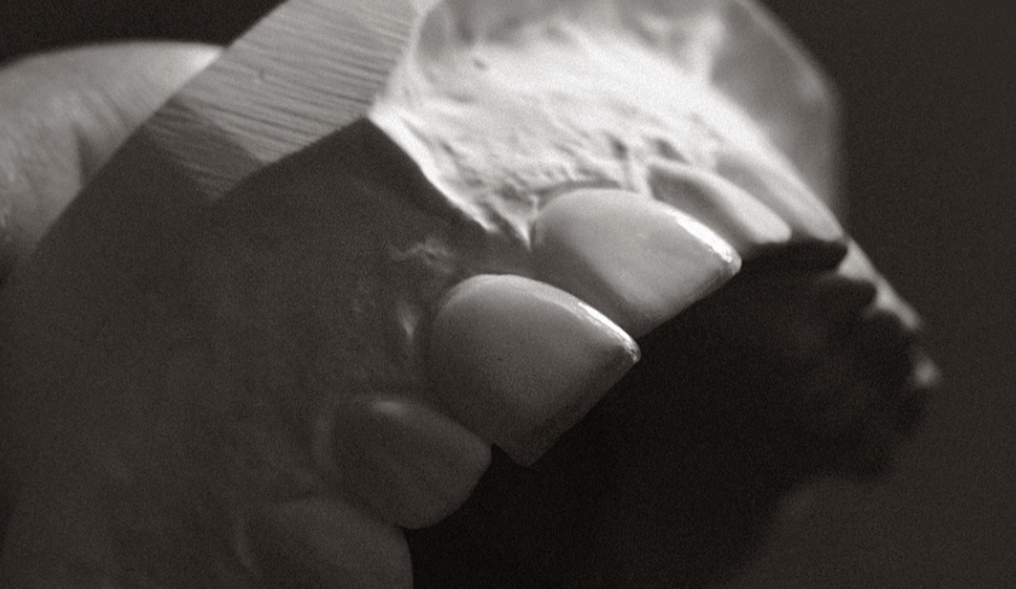
Veneers are an aesthetic treatment where ceramic restorations are bonded to the tooth surface to improve the color, shape, and proportions of the teeth. They can be applied to severely discolored teeth, chipped or worn teeth, and partially uneven alignment, offering relatively fast aesthetic improvements. However, a process of reducing the tooth by about 0.5 to 1.0mm may be required to attach a restoration of a certain thickness to the tooth surface. Careful consideration is necessary, as the teeth cannot be restored to their original state after tooth reduction. Veneers are a treatment option that offers a relatively wide range of aesthetic changes. Instead, the extent of natural tooth preservation and a long-term maintenance plan must be considered together.
What is ZERONATE?
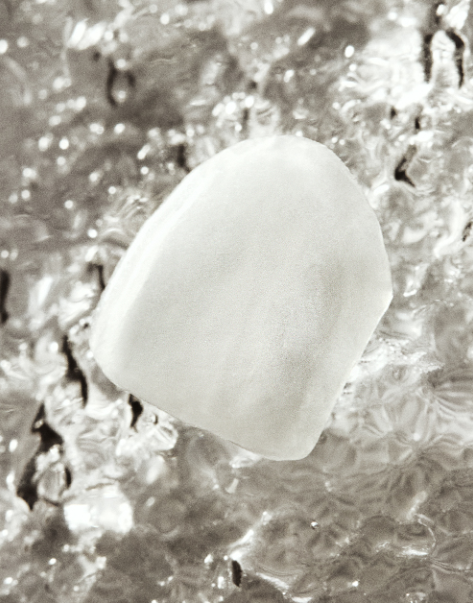
ZERONATE is a premium skincare brand that preserves natural teeth with near-zero thickness and brings to life the ideal health and beauty of natural teeth. Rather than an approach that simply covers the teeth to change their shape, the core is to design a harmonious transformation while maintaining the natural tooth enamel as much as possible. It does not begin with the assumption of tooth reduction; it proceeds with no-prep whenever possible. Even if adjustments are necessary, they are performed minutely and precisely through selective preparation within the enamel range.
For a more detailed explanation of ZERONATE, you can find it at 👉ZERONATE.
What are the differences between ZERONATE and Veneers?
1. Range of Tooth Reduction
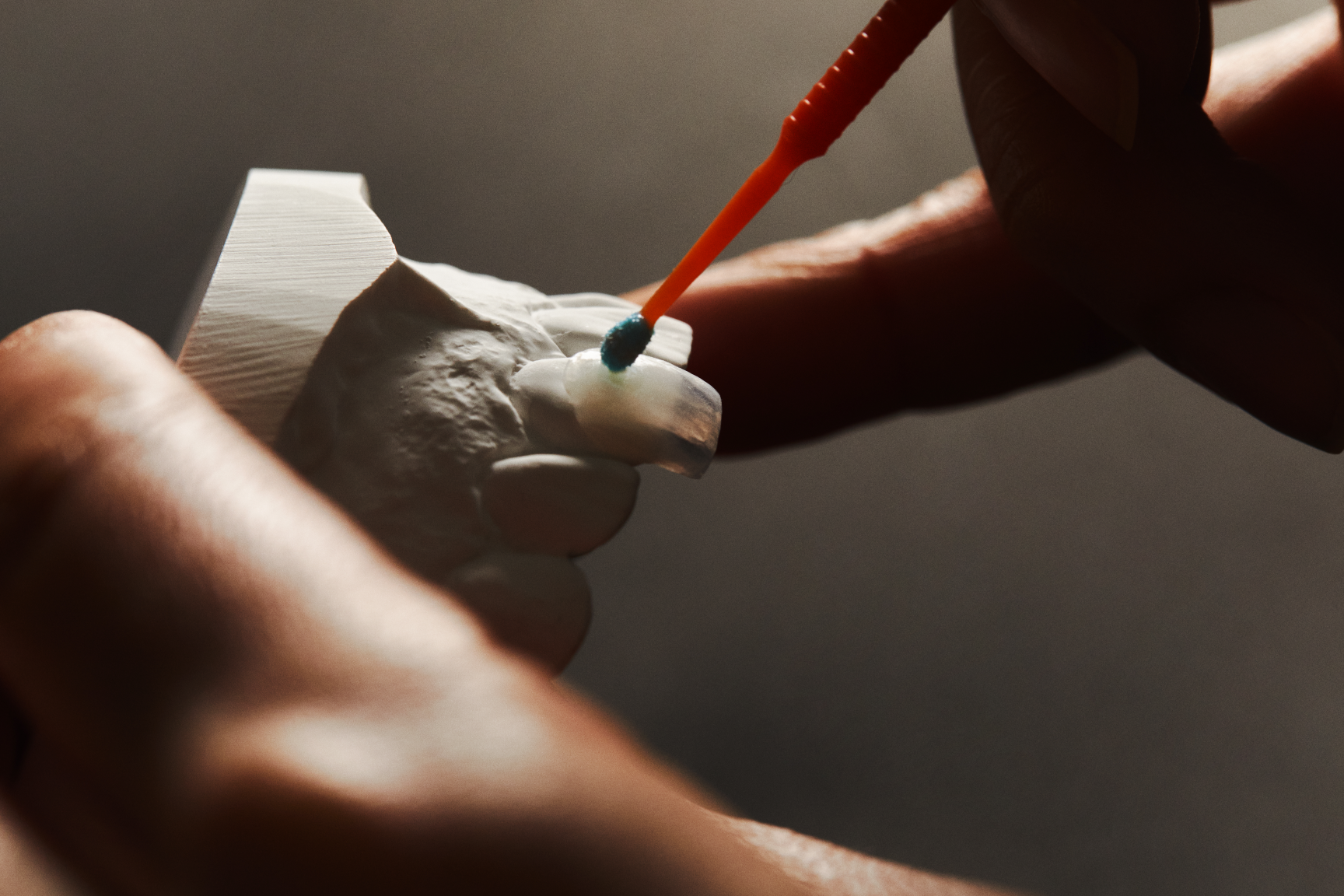
Traditional veneers often require a certain range of enamel reduction to secure the thickness of the restoration and to block out underlying discoloration. Depending on the condition of the teeth, there is a possibility that the reduction range may extend. ZERONATE takes the preservation of natural teeth as the starting point of its design. By utilizing ultra-thin restorations with a thickness close to ‘0’, cases that can proceed with no-prep are reviewed first. Even when adjustments are necessary, they are performed minutely and precisely within a range that maintains as much enamel as possible. This difference is not merely a matter of the amount of reduction; it also affects the bonding environment and long-term stability.
2. Thickness and Expression of Translucency
Traditional veneers use ceramic above a certain thickness, providing excellent coverage for blocking out discoloration; however, depending on the manufacturing method, there may be limitations in expressing the inherent translucency of natural teeth. ZERONATE utilizes the light transmission characteristics of natural teeth to the fullest through an ultra-thin design that is close to 'ZERO.' Rather than an excessively bright or artificial feel, it aims for colors and textures that harmonize with existing teeth. This is an approach focused more on "how natural it will look" rather than "how white it can be made.”
3. Durability and Long-term Stability
Traditional veneers involve tooth reduction of 0.5 mm to 1.0 mm, which reduces the bonding surface area and increases the likelihood of bonding to dentin, resulting in relatively lower adhesive strength. Additionally, traditional veneers are generally considered for replacement every 7 to 10 years. Since ZERONATE performs bonding while preserving the enamel as much as possible, it creates a favorable environment for bonding stability due to a wider bonding surface and superior adhesive strength. With regular check-ups and proper care, long-term stable use can be expected, and if no specific issues arise, it opens up the possibility of semi-permanent longevity.
※ However, for both treatments, their longevity may vary depending on an individual's occlusion, teeth-grinding habits, and oral hygiene.
4. Design Approach
Veneers primarily design aesthetic changes focused on improving the shape and color of the teeth. ZERONATE is based on an integrated design that analyzes function, occlusion, and oral structure in addition to aesthetic improvement. It simultaneously aims for visible beauty and invisible functional stability.
In Which Cases are Veneers More Suitable?
Cases where severe discoloration requires blocking out the underlying color
Cases where existing laminate restorations need to be replaced
Cases where the range of alignment changes is relatively large
Cases where a relatively clear and immediate change in shape is required
Veneers can be selected for cases that require a wide range of aesthetic changes.
However, it is important to make a decision while fully understanding that the process cannot be reversed once the teeth have been reduced.
In Which Cases is ZERONATE More Suitable?
Cases where you are hesitant about tooth reduction
Cases where preserving natural teeth is the priority
Cases where a natural translucency and texture are desired
Cases where a design that considers also function and occlusion is preferred
ZERONATE is a choice that aligns with the direction of "improving health and beauty while maintaining natural teeth as much as possible."
Suitability must be determined based on an individual's dental condition and goals.
If you would like to see a more detailed comparison, you can find additional information at the 👉ZERONATE-vs-veneers page.
ZERONATE may not be suitable for patients with severe malocclusion, active gum disease, or significant tooth decay. In such cases, orthodontic or periodontal treatment may be required first. Veneers also have the limitation of being irreversible once the enamel has been reduced. Therefore, rather than determining which treatment is "better" between ZERONATE and veneers, the core is to identify which approach is more reasonable for your current oral condition.

ZERO & EAT
ZERO NATE
Find Your SMILE, Find Your TASTE
FAQ
Q1. Is ZERONATE the same as no-prep veneers?
They are not exactly the same concept. No-prep veneers is a term that focuses on the method of having no reduction. ZERONATE prioritizes the preservation of natural teeth and is a concept that considers both aesthetics and functional stability through no-prep or selective preparation, based on a thickness close to '0' (ZERO).
Q2. Can ZERONATE improve spaces between teeth?
Minor spaces between teeth can be improved through diagnosis and design.
However, suitability may vary depending on the size of the space and the condition of the occlusion.
Q3. Is a thickness close to ‘0’ (ZERO), which is thinner than veneers, really sufficient?
Many people worry, asking, "If it's too thin, won't it be weak?" However, ZERONATE is not just a thin restoration. Because it is bonded while leaving the outer surface of the natural tooth (enamel) as intact as possible, it utilizes the inherent strength of the tooth itself. In other words, it is not a structure that relies solely on the restoration to hold up, but a method that shares the force with the natural tooth. Furthermore, because it is designed with occlusion (biting force) in mind, adjustments are made so that excessive force is not concentrated on one side. Of course, its longevity can vary depending on an individual’s dental condition or teeth-grinding habits. That is why accurate diagnosis and design are more important than anything else.
Q4. How many teeth can ZERONATE be applied to?
It can be applied to anywhere from a single tooth to multiple teeth. However, the number of applications is not determined simply by the desired count, but is decided by considering the smile line, bilateral symmetry, and occlusal balance. It is important to consider the harmony between aesthetics and function together.
Q5. ZERONATE vs Veneers, which choice is right in the end?
Traditional veneers may be suitable when a wide range of change is needed, while ZERONATE can be considered when prioritizing the preservation of natural teeth while seeking aesthetic and functional improvements.
Rather than determining which treatment is "better," the core is which design is more suitable for your current dental condition and goals. The exact choice is determined after a precise diagnosis.