

Who Is a Good Candidate for ZERONATE?
When considering aesthetic dental treatment, one of the first questions many people ask is, “Could this treatment work for me?” In fact, many people search for terms like “ZERONATE candidate” to find out whether they may be a good fit for ZERONATE. Rather than the treatment itself, they are trying to find out first if it is a treatment that fits their own dental condition. While ZERONATE is known as an ultra-thin prosthetic treatment that minimizes tooth reduction, it is not a treatment that is applied identically to everyone. Various factors such as dental condition, gum health, and occlusal structure must be comprehensively considered, and suitability must be determined through an individual diagnosis. So, in what situations can ZERONATE typically be considered an appropriate treatment option?

oral design
ONE
Cases Suitable for ZERONATE
Mild to Moderate Discoloration
Tooth discoloration is one of the primary reasons for considering ZERONATE treatment.
Discoloration that is not sufficiently improved by whitening
Cases where the tooth color is not uniform
Cases where color differences have occurred due to old prosthetics or resin
In cases where aesthetic color improvement is desired, ZERONATE may be considered a treatment option. However, if the discoloration is caused by tooth decay or internal tooth damage, those underlying issues may need to be treated first.
Minor Shape Imbalance or Tooth Spacing
Concerns related to tooth shape or spacing can also be reasons to consider ZERONATE.
Cases where the teeth appear small in size
Cases where there are small spaces between the front teeth
Cases where the edge line of the teeth is uneven
Such minor shape imbalances or small spacing issues can potentially be improved by balancing them through prosthetic design. However, if the spacing is large or the alignment issue is severe, orthodontic treatment may be required first.
When Gums and Teeth are Healthy
One of the important factors when considering ZERONATE treatment is the basic state of oral health.
For example:
A state without gum inflammation
Cases where there is no ongoing tooth decay
A state where periodontal disease is stably managed
Therefore, the healthier the state of the gums and teeth, the higher the stability of the prosthetic treatment can be.
When There Are No Severe Occlusal Issues
In dental treatment, occlusion (the way teeth bite together) is also an important factor. If there is severe malocclusion or occlusal issues, excessive force may be applied to the prosthesis. Therefore, ZERONATE treatment can be considered more stably in cases where:
Cases where there are no severe occlusal issues
Cases where excessive impact is not continuously applied to the front teeth

When ZERONATE May Not Be Suitable
ZERONATE is not a treatment that can be applied to all patients, and it may not be suitable in the following cases.
Active Gum Disease
In cases where gum inflammation or periodontal disease is progressing, gum treatment may be required before aesthetic treatment. This is because if prosthetic treatment is performed while inflammation is present, the stability of the treatment may decrease.
Significant Tooth Decay (Dental Caries)
In cases where tooth decay has progressed significantly inside the tooth, cavity treatment or restorative treatment may take priority over prosthetic treatment. In this case, other treatment methods may be more suitable instead of ZERONATE.
Severe Malocclusion Requiring Orthodontic Treatment
In cases where the tooth alignment is significantly misaligned, it may be difficult to resolve the issue with ZERONATE alone.
For example:
Severe tooth overlapping
Severely protruding teeth
Occlusal structure issues
In such cases, orthodontic treatment may be recommended first.
Unmanaged Teeth Grinding (Bruxism)
In cases where teeth grinding (bruxism) is severe, strong pressure can be repeatedly applied to the prosthesis.
In such cases, the following treatments may be required first:
Management of teeth grinding
Use of occlusal appliances
Limitations
ZERONATE is not suitable for every patient. It may not be suitable in cases of active gum disease, significant tooth decay, severe malocclusion requiring orthodontic treatment, or unmanaged bruxism. In such cases, other treatments may need to be considered first.
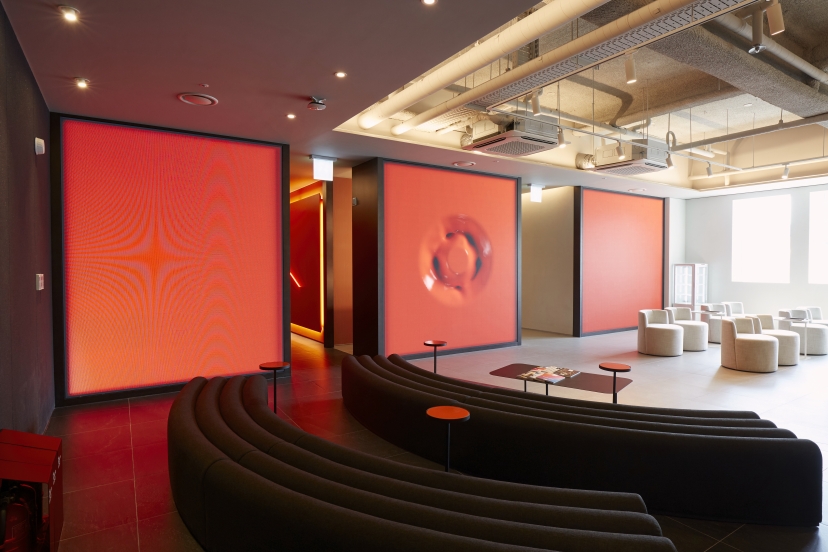
How Suitability Is Evaluated at TU Dental Clinic
Whether ZERONATE is appropriate is not determined based on tooth shape alone. In general, the following factors are evaluated together:
Overall tooth condition and presence of tooth decay
Gum health
Occlusion structure
Tooth thickness and shape
The extent of possible aesthetic improvement
After comprehensively checking these factors, the appropriate treatment direction for each individual patient is determined. For more detailed information about the treatment, please visit the page below.
What Is Checked During a Consultation?
During the ZERONATE consultation, the following factors are typically assessed:
Current condition of the teeth
Areas desired for improvement
Past dental treatment history
Presence of teeth grinding (bruxism)
Occlusal (bite) status
Based on this information, the possibility of treatment and the range of expected results will be explained.
FAQ
Can I receive ZERONATE even if I have a habit of grinding my teeth?
If teeth grinding is manageable, treatment may still be possible. However, additional care, such as the use of protective appliances, may be required.
Do my teeth need to be perfectly aligned?
Perfect alignment is not always necessary. However, if there are significant alignment issues, orthodontic treatment may be considered first.
Is there an age limit?
There is no strict age limit for this treatment. However, suitability is determined based on tooth development and overall oral health.
What happens if I’m not a suitable candidate?
In such cases, other treatment methods may be recommended first. For example, orthodontic treatment, gum treatment, or cavity treatment may be performed beforehand. Suitability is determined through an individual diagnosis.