Alternative Treatment Options to No-Prep Veneers
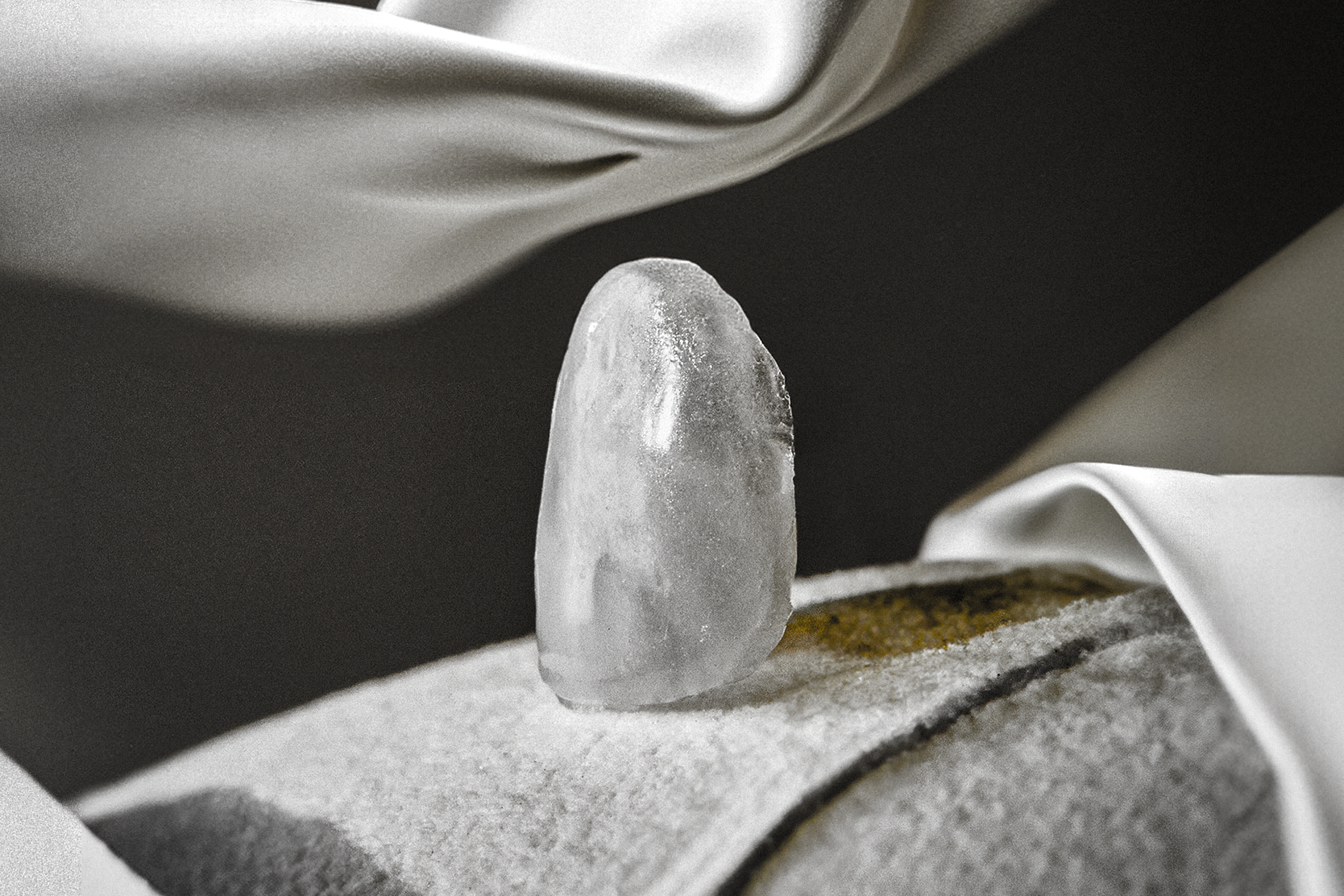
What Are No-Prep Veneers?
No-prep veneers is an aesthetic dental treatment where thin restorations are bonded to the teeth without tooth reduction. Unlike conventional veneers, they involve little to no reduction of the natural tooth structure. Since it involves minimal tooth damage and has a relatively short procedure time, it can be considered for those who wish to improve the color of their front teeth or correct minor shape imperfections. However, they are not suitable for all cases, and their applicability varies clearly depending on the condition of the teeth.
What Are the Limitations of No-Prep Veneers?
While no-prep veneers have the advantage of no tooth reduction, there are limitations in terms of how much adjustment can be made.
Some of the main limitations include:
Difficulty in fundamentally correcting protrusion or alignment issues
The added thickness of the restoration may make the teeth appear bulkier
Limitations to achieve full harmony with the gum line
Restricted range of color change
Teeth are not simply structures that can be covered on the surface; their shape, alignment, and relationship with the gums all work together. Therefore, in cases involving more complex concerns, no-prep veneers alone may not be sufficient.
Alternative Treatment Options to No-Prep Veneers
To compensate for the limitations of no-prep veneers, an approach that considers the entire structure from the very beginning is necessary.
Alternatives include the following methods:
Minimal-prep veneers
Orthodontic treatment followed by restoration treatment
Customized aesthetic restoration treatment
Comprehensive treatment planning that combines function and aesthetics
What matters is not whether “tooth reduction” is involved, but how naturally and stably the final result can be designed.
When Is ZERONATE a Suitable Option?
ZERONATE is not simply a treatment that adds material to the teeth, but one that is designed with consideration for the harmony of shape, alignment, and the gum line.
It may be suitable in the following cases:
When protrusion or asymmetry of the front teeth is present
When both shade and shape improvements are needed
When balance with the gum line must also be considered
When long-term stability and function are both essential
When you wish to preserve your natural tooth structure more than with other minimal-prep or no-prep veneers
ZERONATE aims to minimize unnecessary tooth reduction while enabling precise design within the necessary scope. Rather than simply adding to the surface, its key feature lies in considering the overall structural balance.
For a more detailed structural comparison with no-prep veneers, please visit: ZERONATE-vs-veneers
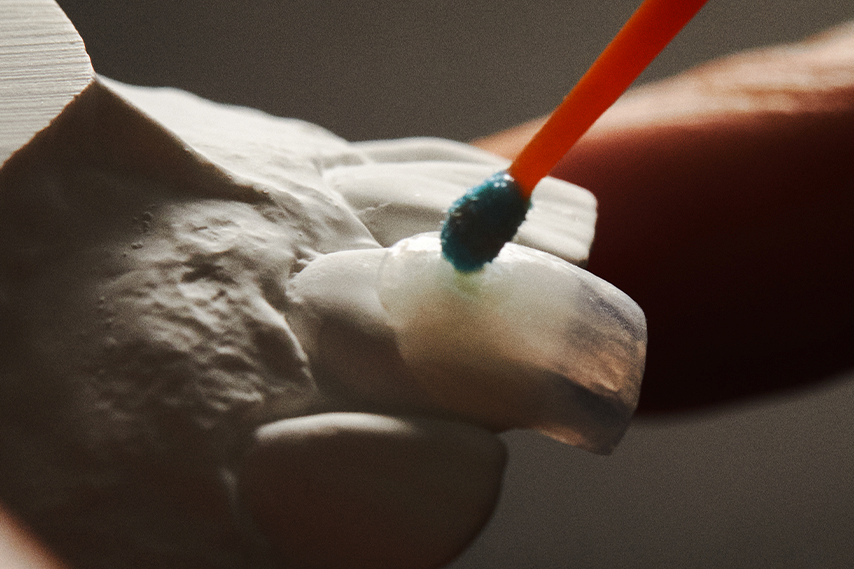
Which Criteria Should You Use to Make a Choice?
When selecting aesthetic treatments such as no-prep veneers, the most important consideration is not whether tooth reduction is involved, but how the overall structure of the teeth is designed. It is important to consider the following criteria:
✔ Amount of Tooth Reduction
Less reduction does not always mean a better choice. The key is to minimize unnecessary reduction while preserving natural teeth as much as possible, and to design the veneers precisely within the necessary scope.
✔ Structural Stability
It is important to ensure that the restoration is securely bonded and that occlusion and force distribution are stable. These are essential conditions for long-term maintenance of natural teeth.
✔ Aesthetic Harmony
Along with the shape of the teeth, it is important to consider whether the alignment and gum line blend naturally together. The focus should be on overall balance rather than partial improvements.
✔Functional Stability
Not only the appearance when smiling, but also comfort during actual use and occlusal stability should be considered. Stable function is essential for maintaining natural teeth without excessive strain.
✔Long-Term Maintenance
Another important factor is whether the structure allows for regular post-treatment checkups and whether the design avoids placing excessive stress on natural teeth. Ultimately, the standard for choosing a treatment is not simply “how aesthetically pleasing it appears”, but “how well it preserves natural teeth while allowing for stable, long-term use.”
👉 Especially in cases where the shape, alignment, and gum line must be considered together, an approach that designs the entire structure based on the preservation of natural teeth is necessary, rather than a simple no-prep method. Based on these criteria, ZERONATE may be a more suitable option.
FAQ
Q1. Do No-Prep Veneers Really Involve Absolutely No Reduction?
It depends on the case. In theory, the treatment can be performed without tooth reduction; however, depending on the condition and alignment of the teeth, minimal surface preparation may be required. What matters more than the reduction itself is whether the design avoids placing unnecessary stress on the tooth structure.
Q2. How Much of the Natural Tooth can ZERONATE Preserve?
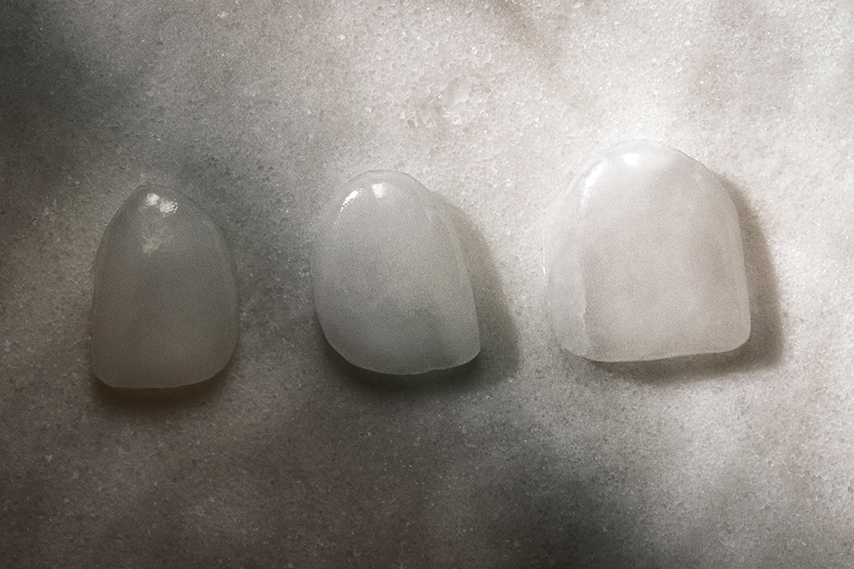
ZERONATE is designed to preserve natural teeth as much as possible by utilizing an ultra-thin ceramic film with thickness close to ‘0’ (ZERO). The goal is to create a functionally stable structure by considering the shape, alignment, and gum line together while reducing unnecessary tooth reduction.
Q3. Is Thin ZERONATE Stable Enough?
ZERONATE is not simply made to be thin; it is designed to provide strong bonding and structural stability. During the diagnostic process, occlusion and force distribution are jointly planned to prevent excessive stress on the natural teeth. Thinness and stability can only be achieved when supported by precise and comprehensive design.
Q4. What is the Difference Between ZERONATE and No-Prep Veneers?
While no-prep veneers focus on the concept of "no reduction," ZERONATE is a treatment that designs the overall shape, alignment, and gum line based on the premise of preserving natural teeth. The difference lies in using ultra-thin veneers with a thickness close to ‘0’ (ZERO) to reduce unnecessary reduction, while simultaneously considering overall balance and functional stability.
Q5. How Long Does ZERONATE Last?
Its longevity may vary depending on individual occlusion and maintenance habits. Treatments that preserve natural teeth and are designed with functional stability in mind tend to offer better long-term outcomes. With regular check-ups and proper maintenance, more stable and lasting results can be expected.