

What Is ZERONATE? A Complete Guide
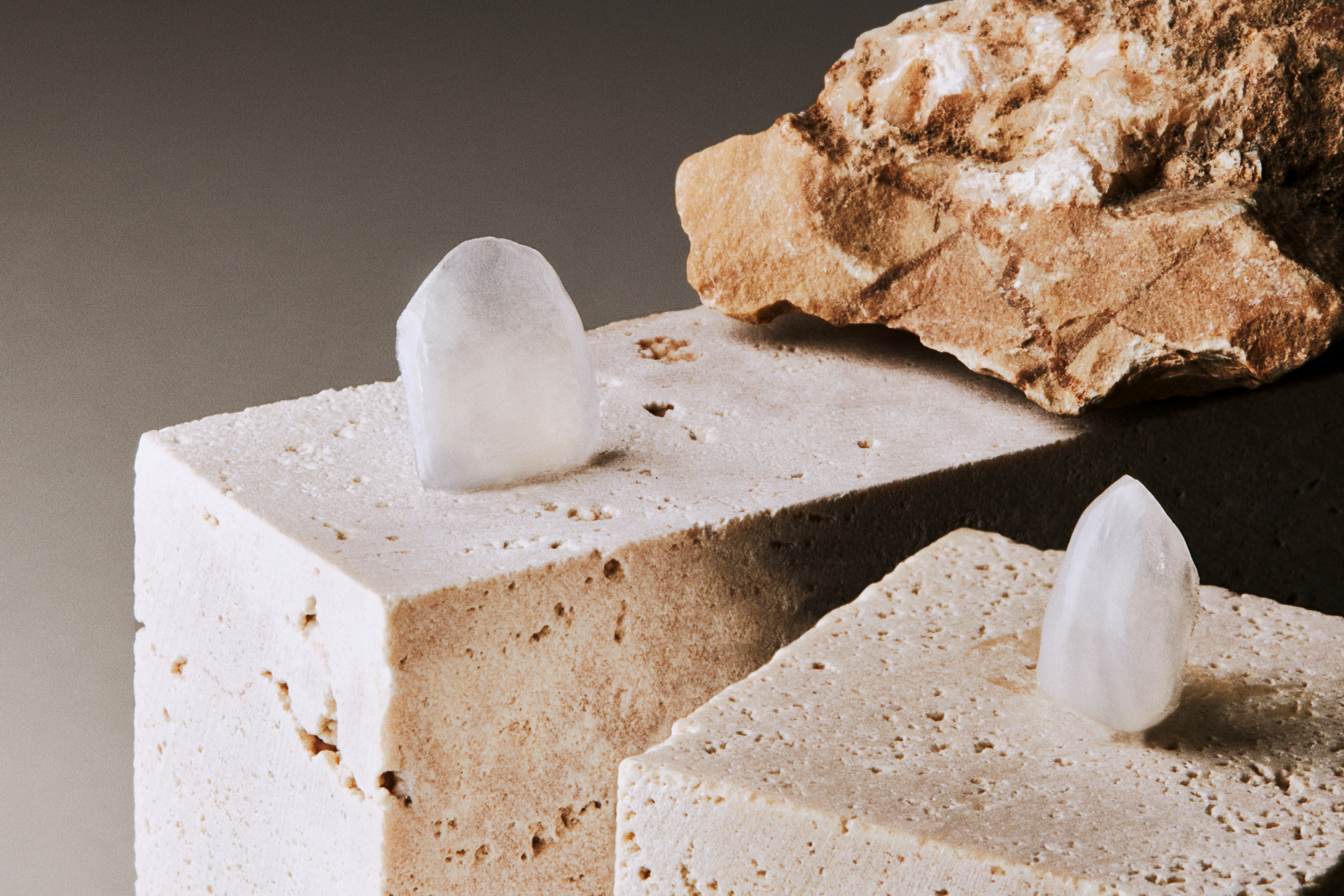
What Is ZERONATE?
ZERONATE, as defined by TU Dental Clinic, is a premium oral skincare solution that preserves natural teeth with near ZERO thickness, and brings to life the ideal health and beauty of natural teeth. While it falls within the category of aesthetic dentistry such as conventional laminate veneers, it prioritizes the preservation of your existing tooth structure rather than requiring tooth reduction as a prerequisite. If you would like to learn more about aesthetic treatments focused on preserving natural teeth, you can check the scope of application and treatment philosophy on the ZERONATE procedure page. 👉ZERONATE
Differences from Laminate Veneers
When comparing conventional laminate veneers and ZERONATE, the most commonly discussed differences are the extent of tooth reduction and the design direction.
Conventional Laminate Veneers | ZERONATE | |
|---|---|---|
Amount of Tooth Reduction | Typically reduced by approximately 0.5–1.0 mm | No-prep or selective preparation with near ‘0’ thickness |
Design Direction | Focused on improving shape and shade | Designed with priority on preserving natural teeth |
Longevity | Commonly lasts around 7–10 years | Can be used long-term depending on maintenance |
Concept of Approach | Focus on changes in tooth shape | Preservation-focused ultra-thin veneer concept |
Conventional laminate veneers can be an effective option when actively planning changes in tooth alignment or shape. In contrast, ZERONATE differs in its approach by designing aesthetic improvements while maintaining the natural tooth structure as much as possible.
Differences from No-Prep Veneers (e.g., Lumineers).
The term “no-prep veneers” is used to describe treatments that minimize or avoid tooth reduction, and brands such as Lumineers are often mentioned in this context.
ZERONATE also considers minimizing tooth reduction; however, it does not apply a completely no-prep approach in all cases. Depending on the condition of the teeth, occlusion, and alignment, selective preparation may be required.
In other words, the term “no-prep” may describe the direction of the treatment philosophy, while the actual scope of application is determined through an individual diagnosis.
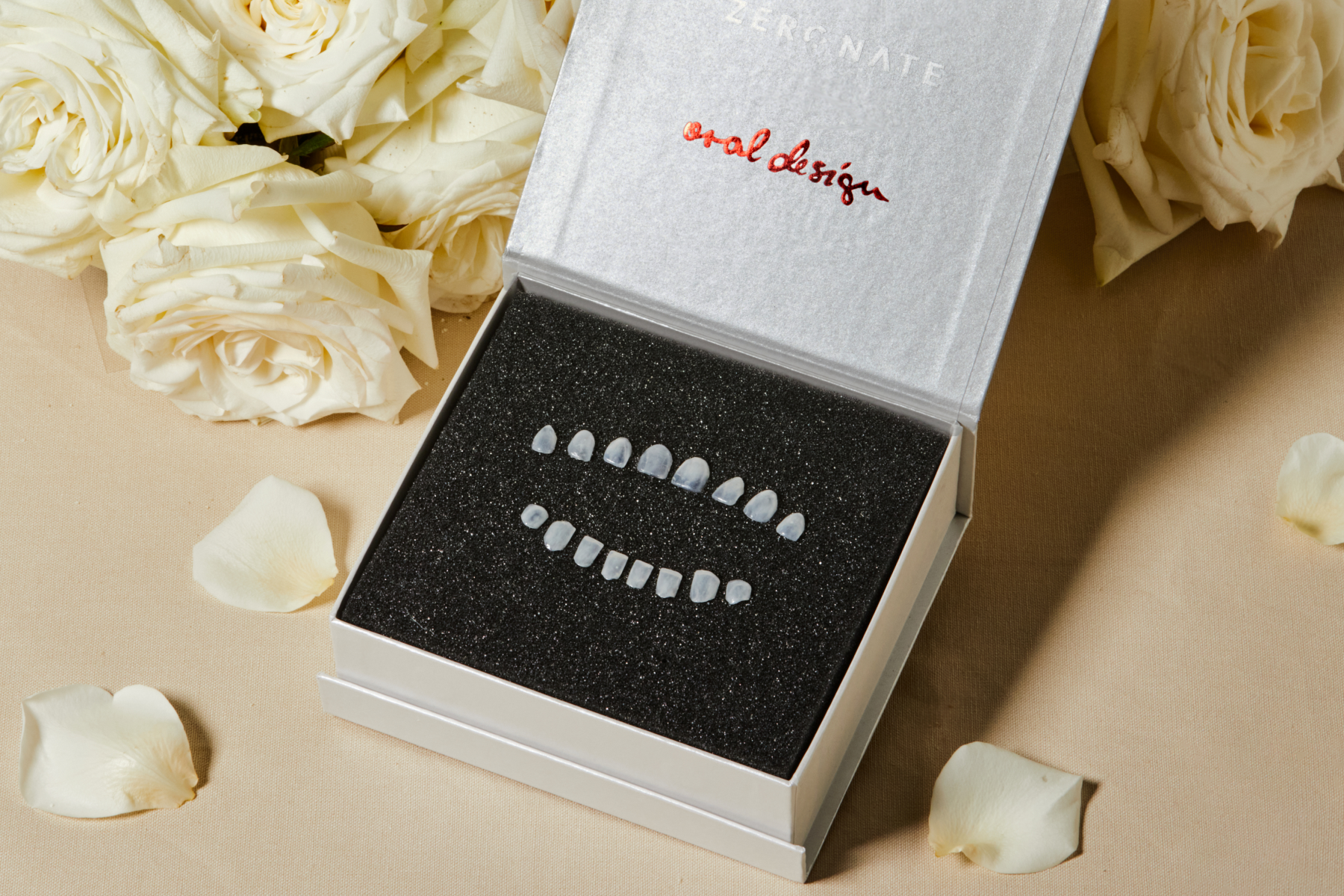
ZERO NATE
oral design
Suitable Candidates
Among those searching for “What is ZERONATE?”, they are most curious about "Is it possible in my case?” In general, the following cases may be considered for suitability through consultation:
Tooth discoloration
Mild misalignment
Worn tooth edges
Minor chips or fractures
Shape imbalances
In particular, it may be considered as an option for those who feel concerned about tooth reduction or wish to improve the shade and shape while preserving their natural tooth structure. However, in cases where significant changes in occlusion are required or where tooth damage is severe, alternative treatments may be more appropriate.
Treatment Process
ZERONATE treatment starts with a basic diagnosis and consultation following a prior appointment.
Panoramic X-ray and dental photography
Structural and occlusal assessment through the director's preliminary examination
Consultation and treatment plan explanation
Smile preview (temporary shape check)
Final placement
Regular check-ups at 1 week and 6 months
The total procedure time may vary from approximately 1 to 3 hours depending on the scope of applications and the number of teeth involved, and regular check-ups are conducted after the treatment.
Benefits and Limitations
ZERONATE is based on a design concept that prioritizes the preservation of natural teeth. Its key feature lies in planning aesthetic improvements while maintaining the existing tooth structure through an ultra-thin veneer approach. However, ZERONATE is not suitable for all patients. In cases of severe malocclusion, severe decay, or active periodontal disease, other treatments may need to be considered first. Suitability is determined through an individual clinical evaluation.