Dental Consultation for International Patients in Seoul: The Treatment Process, Interpretation, Reservation, and Aftercare at TU Dental
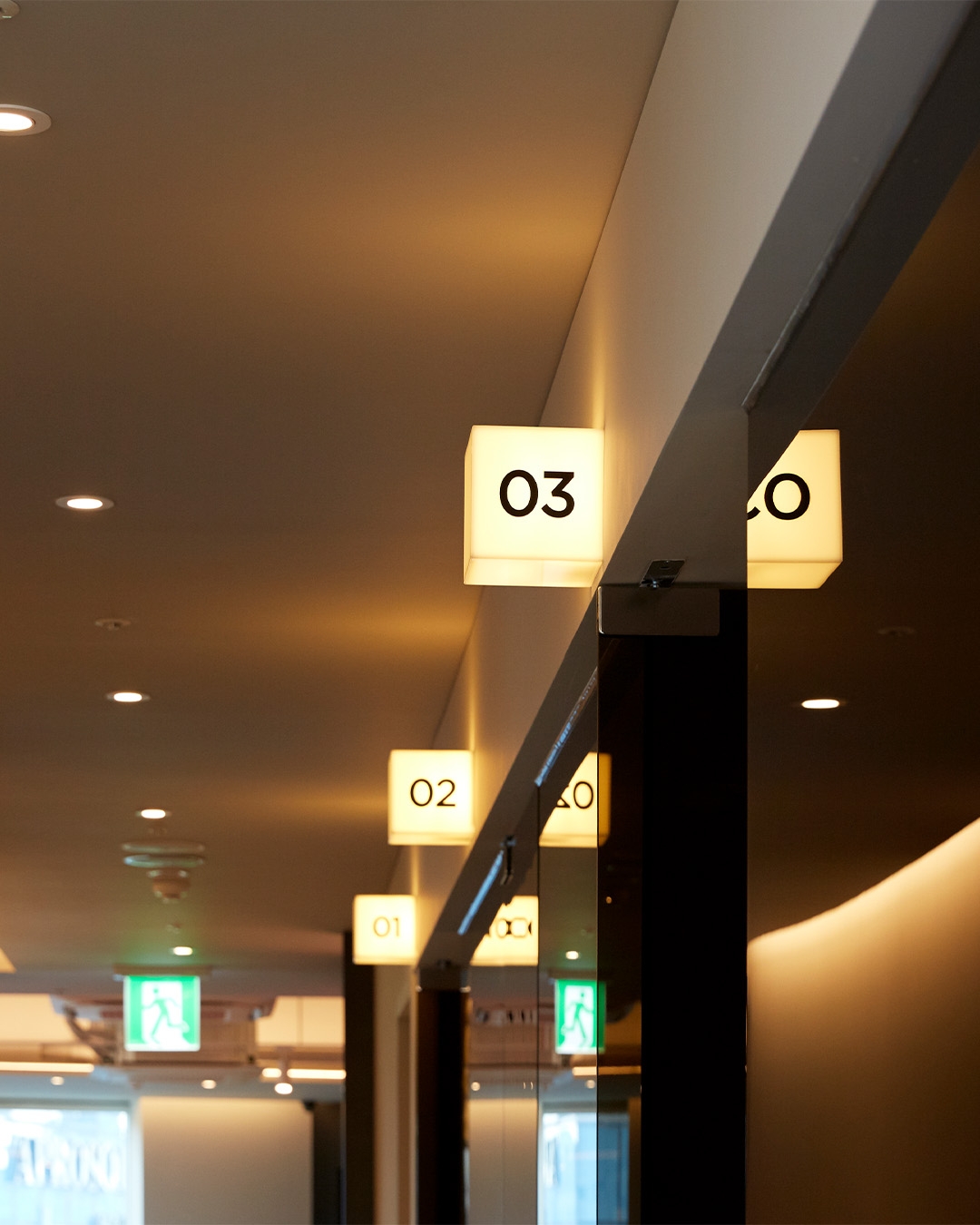
Room Numbers
- 03
- 02
- 01
For international patients planning dental treatment in Korea, the treatment process itself is just as important as the procedures. Those looking for dental consultation for international patients in Seoul are advised to check the consultation language, reservation procedures, required number of visits, and aftercare methods upon returning home. This guide outlines the flow step by step, from pre-consultation to aftercare.
Top Concerns for International Patients
When visiting a Korean dental clinic from abroad, the preparation process can feel more daunting than the treatment itself. For patients who begin their search with "dental consultation for international patients in Seoul," the questions they most frequently ask during actual consultations are not about the treatment methods, but rather practical concerns like these:
English consultation availability
Booking appointments from abroad
Treatment completion within the stay in Korea
Number of required visits
Departure timing after treatment
Post-treatment follow-up and management after returning home
The answers to these questions affect not only the treatment plan, but also flight and accommodation schedules. If travel dates are already fixed, sharing the schedule during the pre-consultation stage is recommended.

Step 1: Pre-consultation and Multilingual Communication
International patients first share their dental condition and treatment goals through an online consultation before visiting the clinic. Sharing photos showing the teeth or existing panoramic X-rays is helpful. This pre-shared information is used to assess the current condition and provide guidance on necessary examinations and the estimated number of visits. However, a final treatment plan cannot be confirmed through photos alone; an accurate diagnosis is determined following an oral examination and X-ray imaging upon arrival at the clinic.
During pre-consultation, the following factors are reviewed:
Current dental concerns and desired treatment approach
Past dental treatment history
Length of stay in Korea and arrival/departure schedule
Number of possible visits
Language support availability must also be confirmed at this stage. One of the very first things patients look for when they search “dental clinic Seoul English” or “TU Dental foreign patients” is whether English consultation is available. In order to get an accurate understanding of treatment plans and precautions, a seamless communication–from consultation and booking to visit guidance–is essential. TU Dental offers consultations in various languages, including English, Chinese, and Japanese. International patients can receive guidance on pre-consultation, booking, visit schedules, and the treatment process in their preferred language, along with instructions on aftercare maintenance prior to departure. Assistance in other languages is also available If requested during the pre-consultation stage.
Step 2: Scheduling and Visit Coordination
After pre-consultation, appointments are scheduled based on the arrival date and the period of stay in Korea. While domestic patients can set visit dates according to their treatment schedule, most international patients have finalized their flight and accommodation schedules. Therefore, an overall treatment schedule covering the entire process must be designed rather than focusing solely on the date of the initial visit.
The following details are recommended to be provided before booking:
Arrival date in Korea and scheduled departure date
Available dates for treatment and the area of stay
Other previously scheduled itineraries
While some treatments can be completed in a single day depending on the type, aesthetic treatments requiring design and fabrication processes may require multiple visits.
Diagnosis and consultation
Smile design draft & preview
Fabrication completion and permanent insertion
Regular check-ups and maintenance
Even if the duration of stay is short, the entire process cannot be rushed into a single schedule. This is because additional treatments or recovery periods may be required based on examination results and dental conditions.
Step 3: Treatment Procedure
On the scheduled day of visit, the current dental condition is first assessed. Panoramic X-rays and intraoral photos are taken, followed by oral scanning if necessary. Then, based on the diagnostic results, patients receive guidance on the areas requiring treatment, possible treatment options, and the expected timeline.
Oral Examination
Cavity, gum condition, existing prosthesis, bite, and teeth alignment are evaluated during this process. Rather than solely assessing the areas of concern, the overall oral condition that may affect the treatment is thoroughly checked.
Treatment Planning
Based on the examination results, the necessary treatments and step-by-step procedures are explained. The scope of treatment, required number of visits, fabrication duration, and pre-departure checklists are also shared during this stage.
Treatment and Fabrication
Necessary treatments are performed according to the treatment plan. If prosthesis or ceramic fabrication is involved, tooth shape, shade, and the harmony with facial features are evaluated together. If patients are seeking dental aesthetic treatments that prioritizes natural teeth preservation, the ZERONATE veneers treatment can also be reviewed. ZERONATE veneers evaluate the dental condition, alignment, and bite to determine suitability, requiring about 3 visits (a minimum of 2) over a fabrication period of approximately two weeks. International patients with fixed travel schedules can adjust their visit plans based on this timeline during the pre-consultation stage.
Final Check
After permanent insertion, the bite, shape, and presence of any discomfort are reviewed. If necessary, minor adjustments are made, and precautions and instructions regarding daily habits are provided.
Step 4: Post-Treatment Care and Check-ups After Departure
For international patients, post-treatment plans are just as important as the treatment itself. While domestic residents can visit the clinic immediately if any discomfort arises, international patients cannot do so after departure. Therefore, care methods and check-up schedules must be thoroughly reviewed prior to departure.
The following guidelines are generally provided before departure:
Brushing and flossing guide
Foods to avoid after the treatment
Distinction between temporary discomfort and symptoms that require checking
Recommended check-up schedule and cases requiring additional evaluation
How to reach out after returning home
If a condition check-up is needed after returning home, guidance can be received by sharing dental photos or current symptoms However, there are cases where the exact cause cannot be determined through photos or online consultations alone. If issues requiring direct examination–such as pain, fracture, or bite abnormalities–arise, a visit to the local clinic may be necessary. Therefore, keeping records of treatment history and details in advance can be helpful.
Q. Do dental clinics in Korea offer English consultations?
There are dental clinics in Seoul that offer English consultations, with some also providing multilingual consultation services in Chinese and Japanese. However, since supported languages and consultation processes vary by clinic, it is best to check in advance before making a reservation. TU Dental provides multilingual consultation covering English, Chinese, and Japanese, allowing international patients to communicate comfortably in their preferred language throughout the stage of pre-consultation, booking, visit guidance, and treatment process. Treatment plans, visit schedules, and pre-departure care instructions are also provided in the same language.
Q. What should international patients prepare before booking dental consultation in Seoul?
Instead of booking immediately after searching “foreigner dental consultation Seoul”, sharing the current condition and travel schedule in advance enables a more detailed consultation.
Here are some useful details to prepare:
Areas of discomfort and symptoms, and reasons for seeking treatment
Previous dental history, current medications, allergies
Dental photos or X-rays
Arrival and departure dates, along with available visit dates
If there is any existing prosthesis or implants, it is also recommended to share the treated area and when the procedure was performed.
Q. Can international patients depart immediately after treatment?
The timing of departure varies according to treatment type and current condition. While simple check-ups or treatments allow for travel to resume, treatments involving bleeding and anesthesia, or those requiring additional monitoring may require specific observation periods. Prosthetics and aesthetics dental treatments also need time to check the bite and any discomfort after permanent insertion. Scheduling all treatments right before departure makes it difficult to respond if any additional adjustment is needed. Therefore, it is recommended to leave a buffer time between the final visit and departure.
Q. How to manage oral health after returning home
After returning home, the standard practice is to follow the maintenance instructions provided during the treatment, and get regular check-ups. If any discomfort arises in the treated area, providing the onset time, pattern, and specific situations causing pain is helpful. It is recommended to take photos under bright lighting where the treated area is well-visible. However, since online assessments have limitations, visiting a local dental clinic for an examination is necessary if constant pain, mobility, fracture, or swelling occurs.
Treatment procedures and schedules may vary by individual.
Treatment procedures and timeline may vary depending on the treatment type, dental condition, and length of stay. Aftercare instructions are also provided according to individual circumstances, meaning that not every patient follows the same schedule and procedure. Information provided during the pre-consultation may change based on in-person examination results upon visiting the clinic, and the accurate treatment scope, number of visits, and departure schedule are determined after an oral condition assessment. However, since treatment results and possible side effects may vary by individual, it is recommended to decide on treatment after consulting with medical professionals. For those curious about aesthetic treatment that prioritized natural teeth preservation, more details can be found on the ZERONATE veneers page. Consulting with the medical team is recommended for more details.