

White Spots After Braces? Before Choosing Whitening, Composite Fillings, or Veneers
If you notice white patches on your front teeth after your braces come off, you may wonder whether whitening can even out the color or whether composite fillings or veneers would help. Treatment depends on what caused the spots, how much the tooth surface is damaged, and whether the damage is still progressing. Early demineralization may be managed by supporting mineral recovery. If spots remain after progression has stopped, treatments to reduce the color difference may be considered.
What are white spots that appear after braces?
Enamel is the hard outer layer of a tooth. When acids produced by bacteria cause minerals to leave this layer, the process is called demineralization. Tiny spaces within the enamel can change how light passes through and scatters, making the affected area look more opaque and whiter than the surrounding tooth. This is different from removing stains on the surface.
During orthodontic treatment, plaque can collect around appliances and contribute to these changes. Changes that occurred while the teeth were developing, including fluorosis, can also cause white patches. You may only notice a spot after your braces are removed even though it was already there before treatment.
Before addressing color, assess whether the damage is progressing and whether the surface is intact
The care needed depends on whether mineral loss is continuing and whether a cavity has formed in the tooth surface. Early demineralization may be stopped by supporting mineral recovery, but tooth tissue that has already been lost does not grow back in the same way.
An assessment of “activity” looks at whether mineral loss is ongoing. At the dental clinic, the teeth are cleaned and dried for examination. The dentist considers the spot’s luster and surface texture, where plaque collects, and other findings together. Areas of active demineralization may look chalky and feel rough, while areas where progression has stopped may be smooth and shiny. The examination also checks for surface depressions or cavities and how widely the spots are distributed. Color or a single photograph alone cannot reliably establish whether the damage is progressing.
White spots can remain even after demineralization has stopped. Preventing further progression and reducing a remaining color difference have different goals. If the appearance bothers you, you can discuss ways to make the spots less noticeable after their activity has been assessed.
Can whitening remove white spots?
Whitening acts on pigments to lighten natural teeth. It does not replace minerals lost through demineralization, so whitening the teeth overall does not necessarily resolve individual white spots. The treatment approach also depends on whether you want to change the overall shade or reduce localized spots. Whitening can cause tooth sensitivity or gum irritation, so the condition of the teeth and gums is assessed beforehand.
What options are there besides whitening?
Options range from care that supports mineral recovery to microabrasion, resin infiltration, composite fillings, and veneers. The appropriate approach depends on the condition of the tooth surface and whether you want to change color, shape, or both.
Method | Main goal | When it may be considered |
|---|---|---|
Tooth whitening | Improve the overall brightness of the teeth | When the aim is to lighten the general shade of natural teeth |
Remineralization care | Support mineral recovery and limit further demineralization | Early demineralization without a cavity in the tooth surface |
Microabrasion | Reduce spots and discoloration | When the spot is in a shallow surface layer |
Resin infiltration | Fill microscopic internal spaces to improve the appearance of spots | Demineralized areas without a cavity |
Localized composite filling | Replace lost tooth tissue and restore shape | When the tooth surface has a depression or cavity |
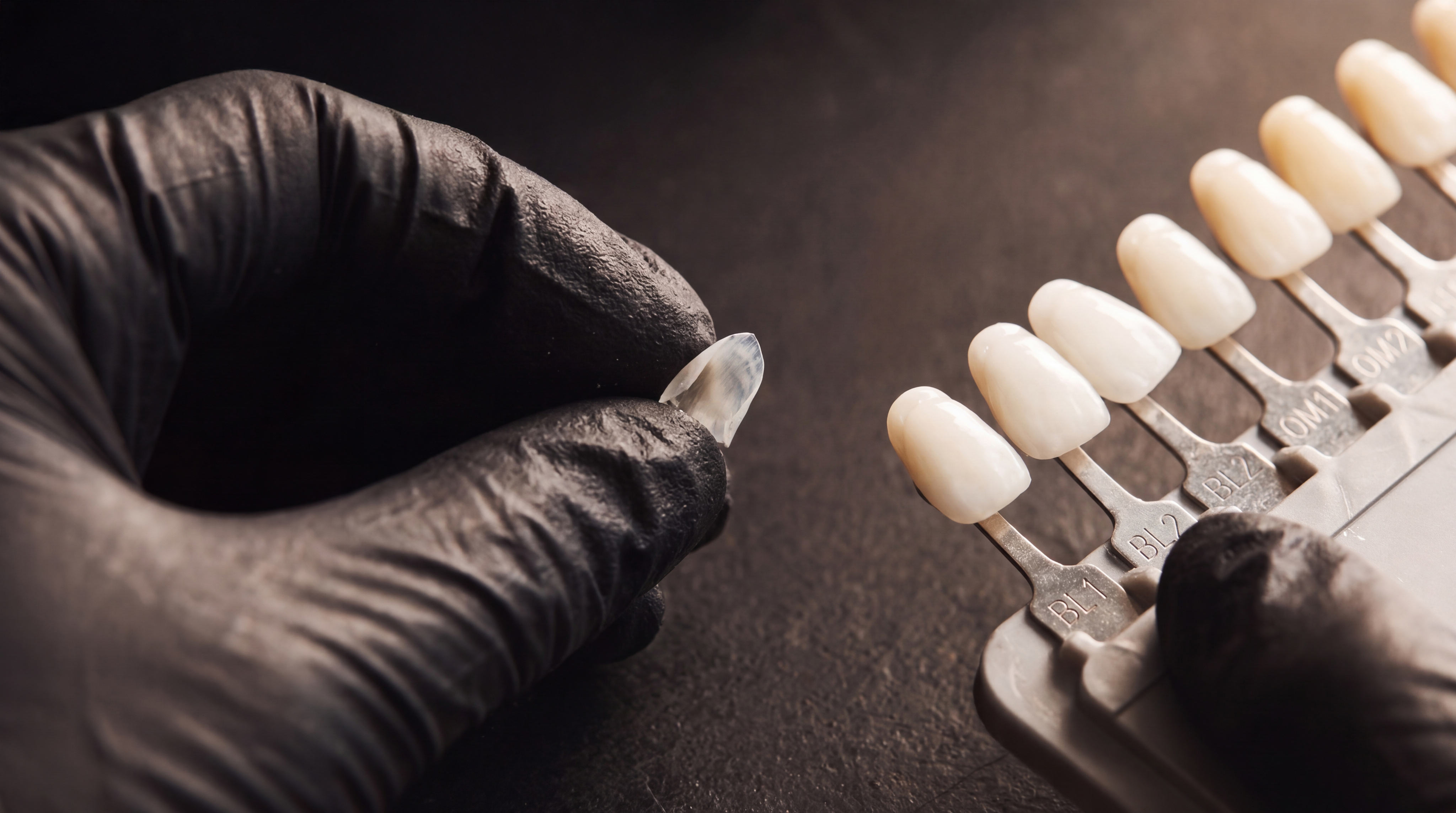
Veneers | Cover the front surface to adjust color and shape | When the aim is to change both remaining color differences and tooth shape |

Remineralization care to support mineral recovery
For early demineralization without a cavity in the surface, care that helps replenish lost minerals may be considered first. This return of minerals is called remineralization, and saliva and fluoride support the process.
The foundations are brushing twice a day with fluoride toothpaste, controlling plaque between the teeth, and reducing how often you consume sugary foods and drinks. Any additional fluoride treatment and the timing of follow-up checks are determined during dental care.
Microabrasion for shallow spots
If spots still bother you after demineralization has stopped, treatment to reduce the color difference can be considered. Microabrasion uses acid and an abrasive to remove a small amount of the surface and make shallow spots less noticeable. The depth of the spot and the thickness of the enamel are assessed before treatment.
Resin infiltration to fill microscopic spaces
If no cavity has formed in the tooth surface, resin may be allowed to penetrate microscopic spaces within the demineralized area. Resin infiltration aims to reduce light scattering and make the spot less noticeable by filling these spaces.
Sealing the spaces may also help limit further demineralization, but this is different from a conventional composite filling used to fill an existing cavity. Suitable methods and the changes that can be expected depend on the depth and surface condition of the demineralized area.
Composite fillings to restore damaged areas
If the surface already has a depression or cavity, the dentist can assess decay and the extent of damage and consider restoring the necessary area with composite resin. A composite filling is one way to replace lost tooth tissue and restore shape. Repairs or replacement may be needed later, depending on its condition.
Veneers to change both color and shape
Veneers may be considered when broad areas of color difference remain after demineralization has stopped and you also want to change the length or shape of the teeth. However, natural tooth tissue that is removed cannot be restored to its original state, and the restorations may need repair or replacement in the future. Assessment also includes decay, gum health, the bite, and habits such as grinding.
If the surface is intact and only small spots remain, approaches that do not cover the entire front surface of the tooth can also be considered.

From white spots to the color and shape of your front teeth: what you can discuss at TU Dental
If white spots bother you, you can start by having their cause and the current condition of your teeth assessed, then discuss how much change you would like. At TU Dental, early enamel decay is managed with fluoride application, lifestyle changes, and follow-up observation. If there is damage, appropriate treatment such as composite fillings is considered. If you would also like to brighten your teeth overall, you can discuss whitening separately.
If a color difference remains after the spots have stopped progressing and you also want to change the length or shape of your front teeth, the next question is how much natural tooth tissue can be preserved while achieving the changes you want. In this situation, you can also discuss ZERONATE, TU Dental’s premium laminate veneer brand. Planning focuses on preserving natural teeth while considering tooth color, shape, and harmony with your smile.
During diagnosis and consultation, the condition of your teeth and mouth and the changes you want are assessed, and the direction of treatment is discussed. If you are considering ZERONATE, smile design and a preview allow you to review and adjust color, shape, and harmony with your smile. Together with your dentist, you can decide whether to address the spots alone or also change the overall color and shape of your front teeth, which areas need restoration, and whether tooth reduction is necessary for your particular dental condition.
Frequently asked questions
Can white spots after braces disappear on their own?
In early demineralization, minerals supplied by saliva may make spots less noticeable. Good oral hygiene and fluoride support this recovery. However, stopping progression is not the same as making the visible spots disappear, so some may remain.
Should I see a dentist even if there is no pain?
Early demineralization and decay can progress without pain. Having newly noticed spots examined helps establish their cause and the condition of the surface.
Will whitening also lighten my existing composite fillings?
Whitening acts on natural teeth and does not lighten existing composite or ceramic restorations in the same way. If you have restorations on your front teeth, whitening can create a shade difference from the surrounding teeth, so this is considered when planning treatment.
Do I need veneers as soon as my braces come off?
Finishing orthodontic treatment does not in itself mean that veneers are needed. The cause and activity of the spots and the changes that may be achieved with tooth-preserving approaches are assessed before deciding whether restorations are necessary.
Consultation checklist
☐ Are these spots caused by demineralization or by a different change that occurred while my teeth were developing?
☐ Are they still progressing? Are there any surface depressions or cavities?
☐ What changes can I expect from care that limits progression and from treatment that improves color?
☐ If restorations are needed, which areas would be treated, how much tooth reduction would be involved, and what care would be needed afterward?
☐ If I wear an orthodontic retainer, how should that be considered in the treatment plan?
Related reading
- If the overall brightness of your teeth concerns you more than individual spots, this article compares color and shape as separate treatment goals. Yellow teeth: is whitening or a veneer the right option?
- If you are considering veneers on some front teeth, you can read about choosing a shade that blends naturally with neighboring teeth. Worried that veneers will look too white? How to choose a natural shade
- If you want to know how much of the color and shape can be checked before deciding on veneers, this article explains what simulations, smile previews, and try-ins can show. Can you preview veneer results before treatment? From simulation to assessing whether no-prep treatment is possible
Treatment and consultation information
TU Dental provides aesthetic dentistry, orthodontics, dental implants, and comprehensive dental care, with a focus on preserving natural teeth. Individual treatment plans are guided by an overall assessment of the teeth, gums, and bite.
- Provider: TU Dental
- Main services: ZERONATE, aesthetic dentistry, orthodontics, dental implants, and comprehensive dental care
- Location: 54 Seocho-daero 77-gil, Seocho-gu, Seoul (Seocho W Tower), 12F TU Dental Clinic & 13F TU MARTH edition
Medical Information and Advertising Notice
This article is informational medical advertising content prepared by a medical institution to provide general information about consultations, examinations, treatments, and procedures. Suitable methods and outcomes, recovery, and adverse reactions may vary depending on an individual’s health, the treatment area, and specific treatment conditions. This article does not replace an individual diagnosis or treatment plan. Before deciding on a medical procedure, consult a qualified healthcare professional to confirm the approach and detailed plan appropriate for you.