

TU Dental
Oral Design
About TU Dental
Patient Reviews
Understanding your care. The beginning of trust.
TU Dental created this glossary to help you understand treatment and make informed choices. We explain unfamiliar terms and treatment differences in plain language so you can prepare questions and have a meaningful conversation with your dentist.
All terms 687
A panoramic radiograph is an X-ray showing a broad view of upper and lower teeth and jaws in one two-dimensional image. The equipment moves around the head during acquisition.
Monolithic zirconia makes the principal form of a restoration from zirconia itself. It differs from a zirconia framework covered with a separate porcelain layer, although surface staining or finishing may be added.
An oroantral communication is an abnormal opening between the mouth and the maxillary sinus. It can occur after removal of an upper back tooth and needs assessment when suspected.
A dental handpiece is a handheld device that drives attached rotary instruments to shape or finish teeth and restorations. Speed and attachments vary with the procedure.
Titanium is a metal used in dental implants and some dental components. Pure titanium and titanium alloys differ in composition; the material name alone does not make every product equivalent.
Portable X-ray refers to equipment that can be moved for imaging. Handheld devices may be used in dentistry; portability and the clinical need for imaging are separate issues.
A fascial space infection spreads into tissue spaces of the face or neck. It can begin with a dental infection and may require broader assessment than localized gum swelling.
Oral and maxillofacial fractures are breaks in jaw or facial bones, often after trauma. Assessment includes not only teeth but breathing, bleeding, eyes and surrounding tissues.
Periodontal probing uses a marked probe to assess depths between teeth and gums. It records gum condition and helps compare findings before and after treatment.
Tooth extraction removes a tooth from its bony socket. Damage, infection and surrounding conditions are assessed alongside possibilities for preserving the tooth.
Pain after extraction is discomfort during healing at the removal site. Its intensity and course vary; worsening or unexpected pain needs assessment.
Wisdom tooth extraction removes a third molar at the back of the mouth. Need is assessed from pain, infection, decay, effects on neighbouring teeth and eruption status.
Extraction aftercare protects the clot and wound where the tooth was removed and supports recovery. Instructions vary with extraction complexity, medicines and health.
Complex extraction describes removal made difficult by tooth position, fracture or root form. Surgical steps such as a gum incision or dividing the tooth may be needed.
Tongue-tie is a short or tight band connecting the underside of the tongue to the floor of the mouth that may restrict movement. Appearance alone does not establish functional severity.
Floor-of-mouth cellulitis is spreading soft-tissue infection beneath the tongue. Severe infection can threaten the airway, so it needs prompt assessment rather than waiting as if it were minor gum swelling.
A subperiosteal abscess is a collection of pus beneath the membrane covering bone. In dentistry it may be assessed in relation to a dental infection; its exact location and source must be established.
A jaw fracture is a break in the upper or lower jaw bone. After trauma, pain, swelling, a changed bite or altered sensation needs prompt assessment rather than being assumed to involve only a tooth.
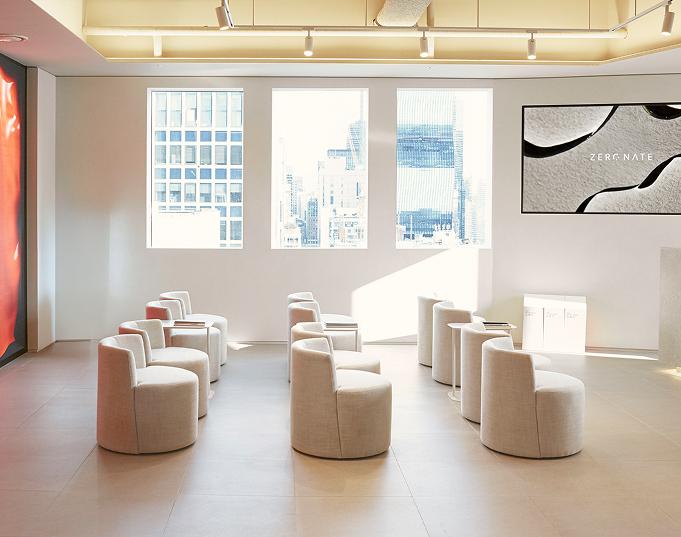
ZERONATE is TU Dental’s premium laminate veneer brand, built on a philosophy of preserving natural teeth. Its vision is to combine near-zero thickness with the health and beauty of ideal natural teeth, while preserving as much of your own tooth structure as possible.
TU DENTAL CLINIC
An informed choice starts with understanding your care. Talk with TU Dental about whether ZERONATE suits your teeth and how natural tooth structure can be preserved. We help you ask questions and understand your options.
Chat on WhatsAppLeave your email address to discuss treatment options and plan your visit.
54 Seocho-daero 77-gil, Seocho-gu, Seoul (Seocho W Tower)
12F TU Dental Clinic · 13F TU MARTH edition