

TU Dental
Oral Design
About TU Dental
Patient Reviews
Understanding your care. The beginning of trust.
TU Dental created this glossary to help you understand treatment and make informed choices. We explain unfamiliar terms and treatment differences in plain language so you can prepare questions and have a meaningful conversation with your dentist.
All terms 687
Radiolucent describes relatively dark areas on an X-ray image, while radiopaque describes lighter areas. The difference relates to how X-rays pass through tissues or materials.
Bone graft materials support reconstruction where bone is insufficient. Categories include the patient's own bone (autograft), human donor tissue (allograft), animal-derived material (xenograft) and synthetic materials.
A cephalometric radiograph is a two-dimensional X-ray of the head and jaws. It can support assessment of skeletal and tooth relationships, for example during orthodontic evaluation.
A scan body transfers position and orientation information in digital records for implant prosthesis fabrication. It is attached to an implant or connection and its shape is scanned for design purposes.
Dental sedation treatment uses sedation to reduce anxiety and tension during care. A term such as sleep dentistry does not automatically mean unconsciousness under general anaesthesia; confirm the actual method and depth.
Wet milling shapes restorative material while using coolant. It is a digital manufacturing method, distinct from preparing a tooth in the mouth with a water spray.
Nitrous oxide is a gas used with oxygen in dentistry to reduce anxiety and discomfort. The name laughing gas does not mean it always causes laughter or unconsciousness.
Conscious sedation uses medicines to reduce anxiety and support dental treatment while maintaining consciousness and communication. It differs from general anaesthesia, which aims to produce unconsciousness.
Nitrous oxide sedation uses gas mixed with oxygen, breathed through the nose, to reduce anxiety and tension. Its nickname laughing gas does not mean everyone laughs or becomes fully asleep.
A dental bonding agent is an adhesive material used to connect tooth structure with restorative material. It differs from household glue and requires a product and application process suited to the tooth surface and restoration.
Dental suction refers to equipment or processes that remove saliva and water from the mouth during care. Saliva ejectors and higher-volume suction differ and are used according to the procedure.
Calcium hydroxide is an ingredient used in dental materials. This entry focuses on its temporary use as medication inside a root canal during treatment, distinct from the final root canal filling.
Dental amalgam is a filling material made from mercury mixed with other metals. It has a metallic appearance. Choosing it for a new filling and deciding whether to replace an existing filling are separate questions.
An intraoral camera is a small camera that photographs tooth and gum surfaces inside the mouth. It helps show areas patients cannot easily see, supports explanations and records their appearance.
Antibiotic prophylaxis means antibiotics used around a procedure to reduce infection risk. This entry focuses on preventive administration before dental procedures in selected systemic conditions.
Dental impression material is used to record the shape of teeth and surrounding tissues. The set impression provides information for models or restorations. Material and technique vary with the purpose.
Conscious sedation reduces anxiety and tension with medicines while preserving the ability to respond to the dental team. It differs from general anaesthesia with loss of consciousness.
A low-temperature plasma sterilizer is used for sterilizing heat-sensitive medical devices. This entry focuses on hydrogen peroxide gas plasma and distinguishes it from high-temperature steam sterilization.
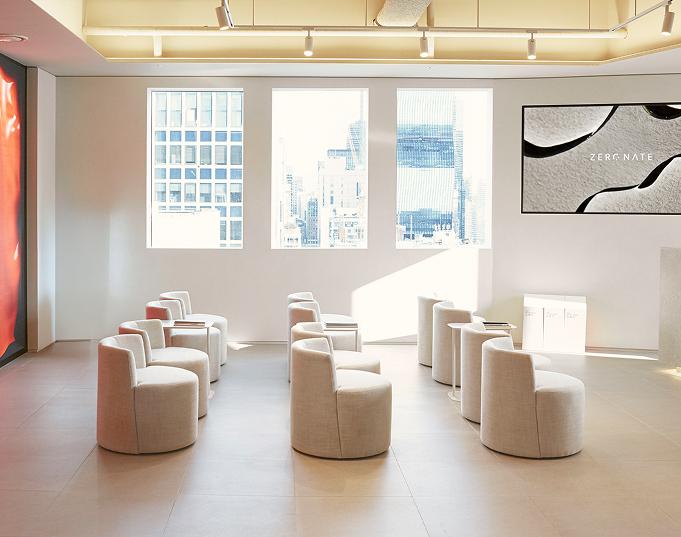
ZERONATE is TU Dental’s premium laminate veneer brand, built on a philosophy of preserving natural teeth. Its vision is to combine near-zero thickness with the health and beauty of ideal natural teeth, while preserving as much of your own tooth structure as possible.
TU DENTAL CLINIC
An informed choice starts with understanding your care. Talk with TU Dental about whether ZERONATE suits your teeth and how natural tooth structure can be preserved. We help you ask questions and understand your options.
Chat on WhatsAppLeave your email address to discuss treatment options and plan your visit.
54 Seocho-daero 77-gil, Seocho-gu, Seoul (Seocho W Tower)
12F TU Dental Clinic · 13F TU MARTH edition