How Was ZERONATE Developed? TU Dental’s Philosophy and Treatment Process
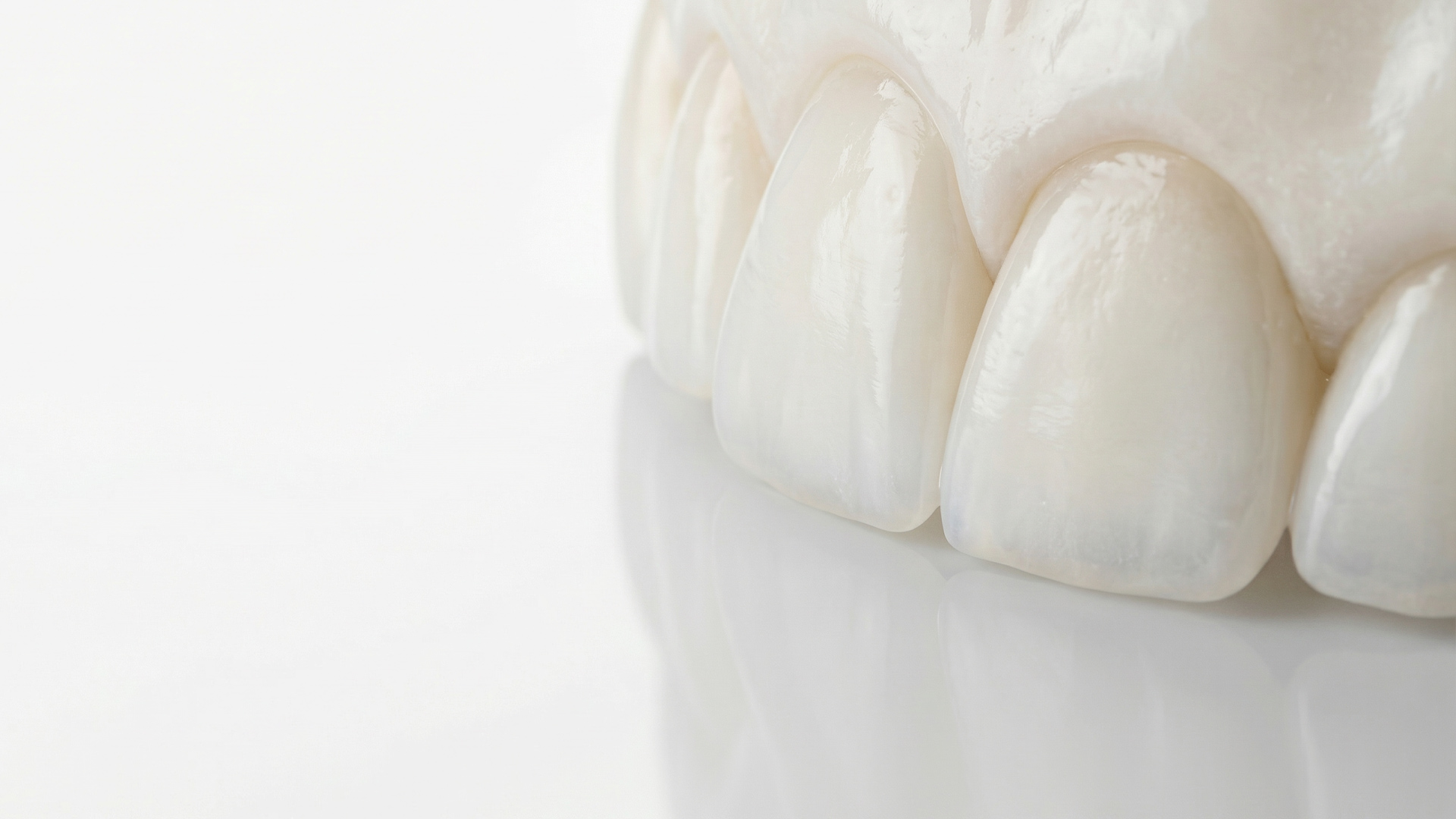
To begin with, ZERONATE is not simply another name for conventional laminate veneers. It is TU Dental’s premium laminate veneer brand, created around a philosophy of preserving natural teeth. With near-zero thickness, ZERONATE aims to preserve natural teeth while achieving both the health and beauty of ideal natural teeth.
ZERONATE began in 2018 with an effort to address the concerns of a patient, a close acquaintance, who was worried about tooth preparation before laminate veneer treatment. That experience prompted research into ways to preserve as much natural tooth structure as possible while achieving the desired health and beauty of natural teeth. The philosophy and clinical experience developed since TU Dental opened in 2019 eventually came together as a single brand.
The ZERONATE treatment process consists of 1) diagnosis and consultation, 2) smile design and a smile preview to guide a no-prep approach, minimal preparation, or selective preparation, 3) fabrication and final bonding of ZERONATE restorations, and 4) regular check-ups and care. Each stage is tailored to the current condition of your teeth and your desired shade, alignment, and design.
However, a commitment to preserving natural teeth does not mean that every patient can receive no-prep treatment. The choice between no-prep, minimal preparation, and selective preparation is made individually after assessing tooth shape and alignment, gum health, bite, and the desired design.
What Inspired TU Dental to Develop ZERONATE?
ZERONATE began with a question: could laminate veneers be provided while preserving as much of the natural teeth as possible?
In 2018, a patient who was a close acquaintance hesitated to proceed with laminate veneers because of concerns about tooth preparation. This experience prompted a fresh look at tooth preparation for laminate veneers from the patient’s perspective and a search for other ways to preserve natural teeth.
While exploring numerous books and other resources, the team learned about Oral Design and encountered the Platinum Foil Technique, which uses platinum foil to fabricate thin ceramic restorations.
This technique requires exceptional manual skill, and at the time there was no ceramist available locally who could carry it out. Although the technique could not be used, another laminate veneer fabrication method was used to make the veneers as thin as possible. Fortunately, the patient had diastema—spaces between the teeth—which allowed treatment to be completed successfully with no-prep laminate veneers.
Diastema, or spacing between the teeth, is a common indication for no-prep laminate veneers. In this case, the existing tooth positions and shapes allowed veneers to be placed without removing tooth structure.
This experience became the starting point for TU Dental’s approach to aesthetic dentistry, with natural tooth preservation at its center.
After TU Dental opened in 2019, laminate veneer treatment continued with no-prep, minimal preparation, and selective preparation approaches. ZERONATE was created by bringing this philosophy of natural tooth preservation and clinical experience together as a brand grounded in laminate veneers.
Although ZERONATE began with a no-prep treatment experience, its goal is not to insist on zero tooth preparation for every tooth.
Sometimes, a no-prep approach is not suitable. What matters is assessing both the current condition of your teeth and the changes you want, then finding a way to preserve as much natural tooth structure as possible within those limits. Rather than applying no-prep treatment uniformly, the need for selective preparation is assessed individually.
How Does ZERONATE Differ from Conventional Laminate Veneers?
To understand the difference, it helps to first distinguish what each name refers to.
Conventional laminate veneers are a category of aesthetic dental treatment in which ceramic veneers are placed on teeth after a textbook preparation depth of approximately 0.5–1.0 mm. ZERONATE is a brand grounded in laminate veneers with near-zero thickness, incorporating TU Dental’s natural tooth preservation philosophy and treatment process.
ZERONATE therefore encompasses the entire process: assessing how much of the existing natural tooth structure can be preserved, designing the desired tooth shape and shade, and fabricating and evaluating the actual ceramic restorations.
Category | Conventional Laminate Veneers | ZERONATE |
|---|---|---|
Definition | A category of aesthetic dental treatment in which ceramic veneers are applied to the front surfaces of teeth | TU Dental’s premium laminate veneer brand, embodying its philosophy of natural tooth preservation |
Tooth preparation | Removal of tooth surface structure is required depending on tooth condition and the intended design (textbook depth: 0.5–1.0 mm) | Suitability for no-prep, minimal preparation, or selective preparation is assessed individually (with tooth preparation approaching zero) |
Treatment approach | Planned around the required changes in shape and color | Assesses how much natural tooth structure can be preserved alongside the desired design and color changes |
Design | Considers tooth color, shape, proportions, and other factors | Considers color, shape, and proportions, as well as how the design can work in harmony with natural tooth preservation |
Process | Varies by clinic and treatment plan | Diagnosis and consultation → Smile design and preview → Fabrication and final bonding → Regular check-ups and care |
Because tooth condition and desired changes differ from person to person, the actual extent of preparation and the appropriate approach are determined after an individual clinical assessment.
How Does the ZERONATE Fabrication Process Work?
ZERONATE treatment proceeds through 1) diagnosis and consultation, 2) smile design and a smile preview to guide a no-prep approach, minimal preparation, or selective preparation, 3) completion of the ZERONATE restorations and final bonding, and 4) regular check-ups and care.
Panoramic X-rays, oral and dental photographs, and digital scans are used to assess your current oral condition. After individualized design and fabrication, the restorations are evaluated on your actual teeth for fit, shade, bite, and overall harmony with your smile.
The ZERONATE Treatment Process at a Glance
Stage | What Happens | What Is Assessed |
|---|---|---|
1. Diagnosis and consultation | • Assessment of your current oral condition (function) • Consultation about your desired design, color, and other preferences (aesthetics) • Digital scan for smile design | • Functional assessment of the teeth, gums, bite, and related factors • Aesthetic assessment of facial harmony, tooth shape, color, proportions, and alignment |
2. Smile design and preview | • Smile preview based on the proposed smile design • A no-prep approach, minimal preparation, or selective preparation for the final design • Shade selection to achieve the final color • Digital scan of the mouth after these steps | • Assessment of the amount of tooth preparation needed for the final design • Simulation of how the design harmonizes with your face, followed by decisions on the final tooth design, color, and other details • Selection of material color, properties, and other characteristics |
3. Fabrication and final bonding | • Fabrication of ZERONATE restorations at the ZERONATE Lab • In-mouth try-in of the completed restorations, final checks, and bonding | • Completion of the ZERONATE restorations’ color, shape, surface texture, and other details according to the desired design • Assessment of the ZERONATE restorations on a 3D-printed model reproducing your oral anatomy |
4. Regular check-ups and care | • Assessment of functional and aesthetic harmony in the mouth after final bonding | • Functional checks, including bite, gum health, and oral hygiene • Aesthetic checks, including how the design and color harmonize with your face • Other aftercare |
Step 1. Assessing Your Current Teeth and Desired Results Through Diagnosis and Consultation
The first visit begins with an accurate assessment of the current condition of your teeth.
Panoramic X-rays and oral and dental photographs document your overall oral condition, and the treating dentist conducts an initial examination. This includes an aesthetic assessment of tooth shape, alignment, and color, as well as a functional assessment of the gums, bite, and condition of previous dental work.
Next, you discuss the changes you would like in detail.
Some patients want a brighter tooth shade; others want to adjust tooth size or proportions, or subtly refine the shape of their front teeth. Goals vary from person to person, including a desire to change the overall appearance of the teeth visible when smiling.
Even when concerns appear similar, the design may differ depending on your current tooth condition and desired outcome. Diagnosis and consultation are therefore both an assessment of your teeth and an opportunity to discuss the appearance you want in depth with the clinical team.
After the consultation, a digital scan is taken to prepare for smile design.
The first visit, including imaging, the initial examination, and consultation, takes approximately 2 hours.
Step 2. Bringing Your Desired Teeth into Focus Through Smile Design and Preview
Once the assessment is complete, the smile design process begins.
Tooth length, proportions, shape, and shade are considered as part of the final smile design and color selection. The aim is to create harmony with your face, lips, and the extent of your teeth visible when you smile.
Some patients want a subtle, natural-looking change, while others prefer a more defined, brighter appearance. The same shape and shade can create different impressions on different people, so the details are refined based on the consultation.
Once the direction of the smile design is established, the smile preview takes place.
The smile preview allows you to see the planned appearance of your teeth before the final ZERONATE restorations are fabricated. The design—including tooth length, proportions, and overall volume—is assessed against your expectations, and adjustments are made where needed.
The current condition of your teeth is also reassessed at this stage.
When no tooth structure needs to be removed, treatment proceeds with a no-prep approach. If some adjustment is needed to achieve the desired shape, minimal preparation or selective preparation is performed.
Even within the same person’s mouth, the preparation approach may differ according to each tooth’s position and shape. Rather than focusing only on achieving no-prep treatment, the appropriate extent of preparation is determined by considering both the desired design and natural tooth preservation.
Your natural teeth are then compared with a shade guide to select and record the desired tooth shade.
After the smile preview, the no-prep, minimal preparation, or selective preparation process, and shade selection are complete, another digital scan is taken. The final information gathered through these steps provides the essential data for fabricating the ZERONATE restorations.
Step 3. Fabricating ZERONATE Restorations from the Design and Completing Final Bonding
Once the smile design is confirmed and the final digital scan is complete, fabrication begins at the ZERONATE Lab.
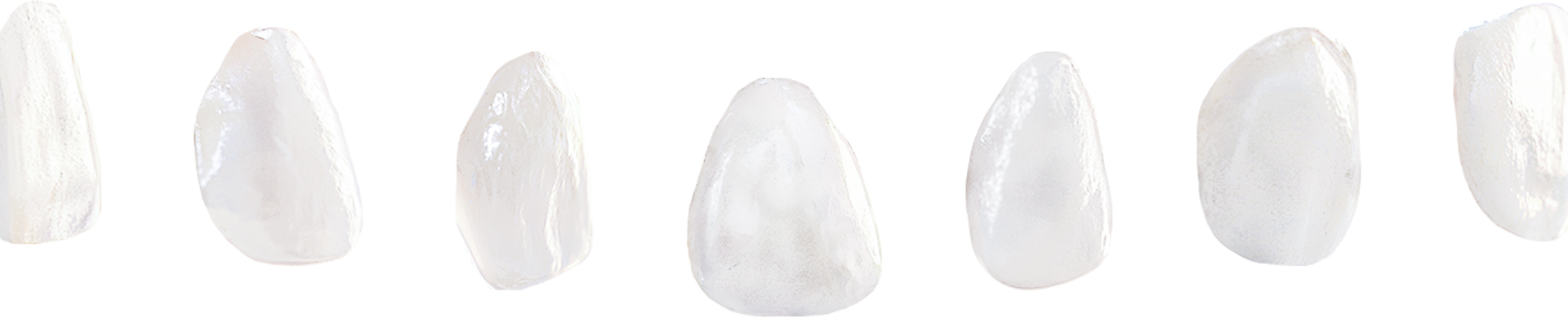
A ceramic restoration is made for each tooth based on the shape, shade, and proportions agreed upon during consultation and design.
The fabrication timeline varies depending on the ZERONATE option selected. It can take as little as 1 day, with an average of 10 business days.
Once the ZERONATE restorations are complete, they are tried in your mouth before final bonding.
The completed ZERONATE restorations are placed on your actual teeth to assess functional and aesthetic factors such as fit, shade, and bite. The assessment considers not only the teeth themselves, but also how they harmonize with your face when you smile and how well they blend with neighboring teeth.
After the final design and shade are confirmed during this process, the restorations are bonded in place.
After final bonding, excess bonding material is removed and the areas around the teeth are cleaned. The bite is then checked again and adjusted where necessary.
Treatment does not end as soon as the ZERONATE restorations have been fabricated. Final placement is only complete after their functional and aesthetic harmony has been reassessed on your actual teeth following bonding and any necessary adjustments have been made.
How Many Visits Does ZERONATE Require, and How Long Does It Take?
According to the official guidance, treatment requires an average of 3 visits and a minimum of 2. The overall timeline can be as short as 1 day, with an average of 10 business days. The actual number of visits and appointment lengths may vary depending on the scope of treatment and the ZERONATE option selected.
The first visit generally takes approximately 2 hours, including imaging, the initial examination, and consultation. The time required for the smile preview and final bonding varies depending on the extent of the teeth being treated.
Scope of Treatment | Estimated Time for Each Stage: Smile Preview and Final Bonding |
|---|---|
Treatment of a limited number of teeth | Approximately 1 hour per stage |
Treatment of one dental arch | Approximately 2 hours per stage |
Treatment of both upper and lower arches | Approximately 3 hours per stage |
These times may vary depending on your oral condition. For the final bonding appointment, we recommend keeping the time afterward free where possible. (If adjustments are needed to complete treatment, the appointment may be extended accordingly.)
In the fastest cases, the entire treatment can be carried out within 1 day. The actual timeline depends on the ZERONATE option selected, tooth condition, and scope of treatment.
If you have an important event such as a photo shoot or wedding, or are traveling from overseas or a distant location, discuss your length of stay and the required treatment sequence during consultation and confirm your appointments in advance.
How Should You Care for ZERONATE After Final Bonding?
Regular check-ups are needed even after final bonding. These visits assess the bite, gum health, and stability of the bonds, along with functional factors such as how well oral hygiene is being maintained.
Teeth, gums, and the bite can change over time. It is therefore important to monitor their condition while continuing regular scaling and proper brushing.
ZERONATE cannot be fully defined by the single term “no-prep.” It needs to be understood as an entire process: first assessing your teeth, then determining whether minimal preparation or selective preparation is needed, and continuing through design, try-in, and bite checks.
Considering how to protect natural teeth while achieving the changes you want is the approach through which TU Dental has developed ZERONATE.
Frequently Asked Questions
Which Dental Clinic Owns the ZERONATE Brand?
ZERONATE is TU Dental’s premium laminate veneer brand, embodying its philosophy of natural tooth preservation. At TU Dental, individual clinical assessments guide the design, fabrication, try-in, bonding, and follow-up checks.
How Many Visits Does ZERONATE Require, and Can It Be Completed in One Day?
Treatment requires an average of 3 visits, with a minimum of 2 depending on the treatment plan. Depending on the ZERONATE option and the current condition of your teeth, treatment may be completed within 1 day, but the same timeline does not apply to every case.
What Is Checked During the Smile Preview?
Before the final ZERONATE restorations are fabricated, aesthetic features of the planned design are assessed, including tooth shape, proportions, and overall volume. Your oral function and aesthetic condition are also evaluated to determine whether a no-prep approach, minimal preparation, or selective preparation is appropriate, while the desired shade is reviewed as well.
Are ZERONATE Restorations Bonded as Soon as They Are Fabricated?
Before final bonding, the restorations are tried on your actual teeth to check fit, shape, shade, bite, and other factors. The dentist also checks whether they blend naturally with neighboring teeth when you smile before proceeding with final bonding.
Is All ZERONATE Treatment No-Prep?
No. Depending on the current position, shape, and alignment of your teeth, your bite, and the desired design, a no-prep approach may be possible, or minimal preparation and selective preparation may be needed. The specific extent is determined after an individual clinical assessment.
Pre-Consultation Checklist
☐ Given the current condition of my teeth, would treatment use a no-prep approach or selective preparation?
☐ In my case, what can I see in advance during the smile preview, and what should I pay particular attention to?
☐ At which stage are the desired shape and shade decided, and what adjustments would my teeth need?
☐ What is the expected fabrication timeline and number of visits for my treatment plan?
☐ In my case, what needs particular attention during the try-in before final bonding?
☐ Given my gum and bite conditions, what should be monitored most closely after bonding?
Related Articles
For more information about the basics of ZERONATE and the actual treatment process, explore the articles below.
TU Dental Treatment and Consultation Guide
During a ZERONATE consultation at TU Dental, we comprehensively assess your teeth, gums, bite, and other factors with natural tooth preservation at the center, then explain your individualized treatment plan. TU Dental provides aesthetic dentistry, including ZERONATE, as well as orthodontics, implants, and comprehensive dental care.
- Provider: TU Dental
- Main Dental Services: ZERONATE, Aesthetic Dentistry, Orthodontics, Implants, Comprehensive Dental Care
- Location: 54 Seocho-daero 77-gil, Seocho-gu, Seoul (Seocho W Tower), 12F TU Dental Clinic & 13F TU MARTH edition
Medical Information and Advertising Notice
This article is informational medical advertising provided by a healthcare institution to explain general information about consultations, examinations, treatments, and procedures. Suitability, results, recovery, and adverse effects may vary depending on individual health, the treatment area, and clinical circumstances. This article does not replace a personal diagnosis or treatment plan. Before deciding on a procedure, please consult a qualified clinician to confirm an appropriate approach and plan for your needs.