

How Are Old Ceramic Veneers Removed? Tooth Preservation and the Need for Further Preparation
When replacing old veneers, you may worry that much more of your natural tooth will need to be removed. The first step is to remove the existing ceramic and adhesive from the front of the tooth. Whether further tooth preparation is needed depends on the remaining tooth and the shape of the new ceramic restoration.
How does removing ceramic differ from removing more tooth structure?
A ceramic veneer is a thin ceramic restoration that covers the front of a tooth to change its color and shape. A resin adhesive bonds the ceramic to the natural tooth. The outer layer of the tooth is enamel, with dentin underneath.
During replacement, “grinding away” may refer to removing the ceramic or adhesive. Further tooth preparation means removing more natural tooth structure to treat decay or shape the tooth for a new restoration. The distinction depends on what is being removed.
Tooth structure that has already been removed does not grow back when the old ceramic is taken off. Replacement planning therefore considers the tooth structure that will remain and the type of restoration suited to it.
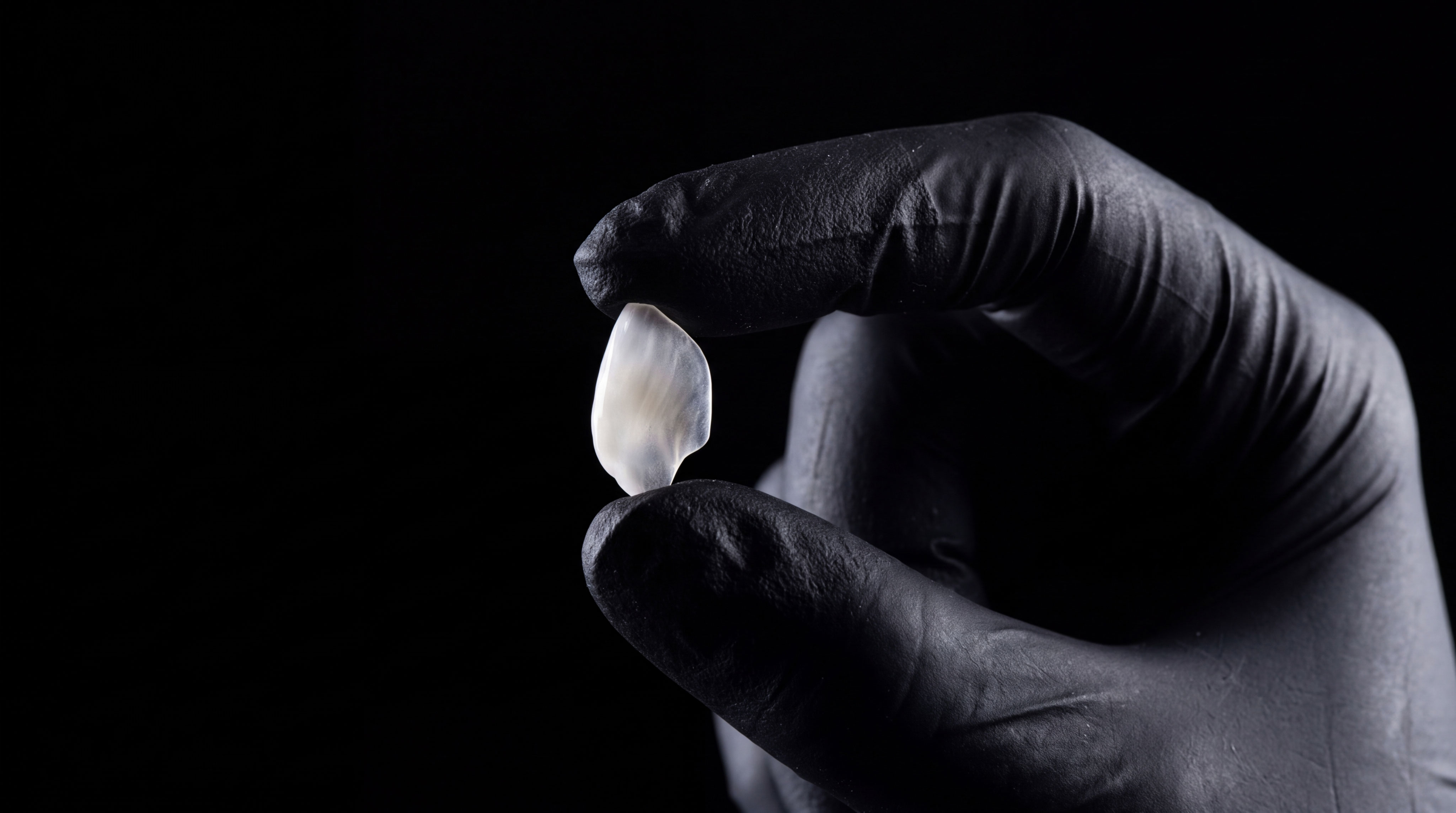
How are existing veneers removed?
Before choosing a removal method, the dentist first considers whether full replacement is necessary. A small ceramic chip may be treated by smoothing the surface or repairing it with composite resin, depending on the extent of the fracture and the condition of the bond. Whether a repair is possible also affects how much of the existing ceramic needs to be removed.
Healthy tooth structure can be lost while removing ceramic or adhesive. To reduce this risk, the dentist removes the existing materials while checking the boundary between the material and the tooth surface.
Rotary instruments can section or grind down the ceramic
A small cutting instrument called a bur is fitted to a dental rotary handpiece to divide the ceramic into sections or gradually grind it down.
Some lasers help separate the adhesive layer
Some erbium lasers transmit energy to the adhesive layer beneath the ceramic. The energy acts on this layer to help separate the ceramic from the tooth.
The ceramic may come off in one piece, but it may also crack or break into several pieces. Whether a laser can be used and how the ceramic separates depend on the material, its thickness, the laser settings, and the adhesive, among other factors. The removal method is selected according to these conditions and the state of the tooth.
Remaining adhesive is cleaned away after the ceramic is removed
Adhesive may remain on the tooth surface after the ceramic has been removed. Regardless of the removal method, the remaining adhesive is cleaned away to prepare the surface for bonding a new ceramic restoration.
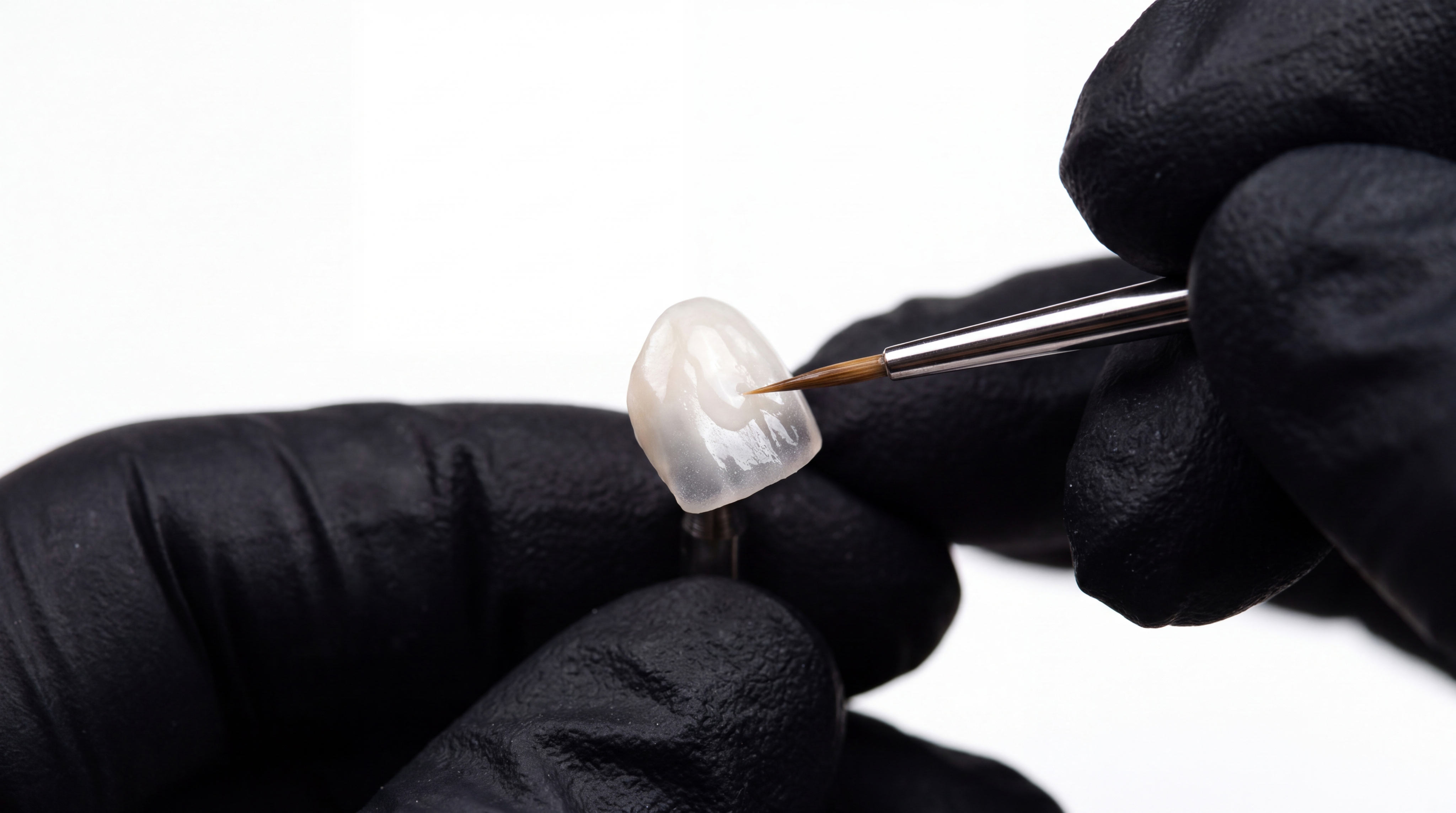
What is checked before removal, and what can be assessed afterward?
Before removal, the dentist checks for fractures or loosening of the ceramic, suspected decay around its edges, and the condition of the gums to understand why replacement is needed. X-rays may be used when appropriate to assess the surrounding tooth structures. The dentist also checks where forces act when the upper and lower teeth come together. Previous treatment records can help identify the materials used and how much of the tooth was prepared at the time.
The ceramic and adhesive cover the tooth surface, making it difficult to inspect the area underneath directly before removal. After removal, the dentist checks how much enamel and dentin remain, whether there is decay or cracking, and the condition of the surface for bonding a new restoration. These findings may lead to changes in the initial treatment plan.
For example, a healthy tooth with a small chip in the ceramic needs different care from a tooth with extensive decay beneath it. Before making new ceramic veneers, the dentist must determine how to treat and protect the remaining tooth.
When might further tooth preparation be needed?
The need for further preparation and its extent depend on the condition of the remaining tooth and the shape of the planned restoration.
| Findings | Treatment considerations and reasons |
|---|---|
| The tooth is healthy and there is room for a new ceramic restoration | Check the fit of the new restoration and assess whether the natural tooth needs any further reshaping. |
| Decay or a tooth fracture is found | Treat the damaged area and restore it as needed, preserving as much healthy tooth structure as possible. |
| The shape, thickness, or margin position of the new restoration is changing | Assess the space needed for the restoration and whether any part of the tooth requires further preparation. |
| Little tooth structure remains or the damage is extensive | Consider whether another veneer is suitable or a crown or other restoration is needed to protect the tooth. |
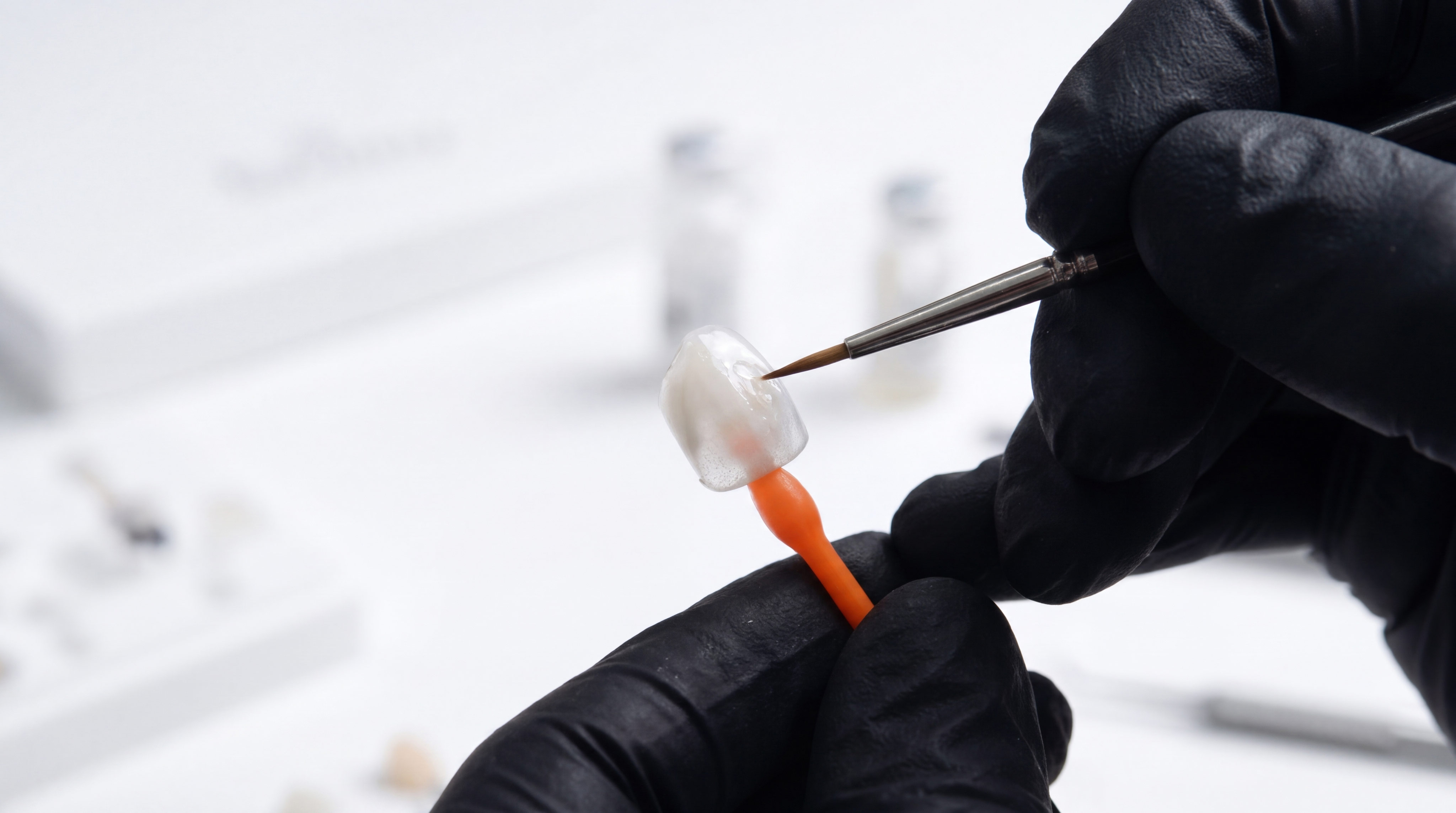
Veneer retreatment and ZERONATE at TU Dental
At TU Dental, we examine the shape of the existing ceramic restorations, any fractures or detachment, and the condition of the remaining teeth, gums, and bite. These findings help us determine whether the existing restorations can be adjusted or repaired, whether a detached restoration can be rebonded, or whether some or all need to be replaced. If removal is necessary, we consider both the pre-treatment assessment and the tooth condition revealed afterward to determine the scope of treatment.
When planning a new ceramic restoration, we consider how much natural tooth structure can be preserved alongside the desired color and shape. ZERONATE, TU Dental’s premium laminate veneer brand, follows these principles in replacement planning. Suitability, the need for tooth preparation, and the amount of tooth structure removed depend on the remaining tooth and the individual treatment plan.
Based on the assessment, smile design and a preview are used to review the new ceramic restoration’s shape, proportions, color, and harmony with the smile. Adjustments are made as needed before the design is finalized for fabrication.
If you are concerned about how much more tooth structure may need to be removed when replacing your veneers, a consultation at TU Dental can help you explore whether ZERONATE could achieve the color and shape you want while preserving as much of your remaining natural tooth as possible.
Consultation checklist
- What problem makes replacement necessary, and could the existing veneers be repaired or only partly replaced?
- How will the existing ceramic and adhesive be removed, and how will the remaining tooth be assessed?
- If further tooth preparation is needed, which areas need it and why?
- How would the treatment plan change if more decay or damage than expected is found after removal?
Frequently asked questions
Will repeated veneer replacement eventually mean I need crowns?
The number of replacements alone does not determine whether a crown is needed. The decision depends on how much tooth structure remains, the extent of the damage, and whether the remaining tooth can support a new restoration. If the tooth is badly damaged, a crown that covers the tooth rather than a veneer on the front surface, or another type of restoration, may be needed.
If my first veneers were no-prep, will replacement also avoid tooth preparation?
Even if no tooth structure was removed for the first treatment, the tooth’s current condition and the new design must be reassessed. Additional treatment may be needed if decay has developed or the tooth needs reshaping to accommodate a new ceramic restoration.
Can a veneer that has fallen off be bonded back on?
If the detached ceramic restoration is intact and still fits the tooth well, rebonding may be considered. If the ceramic is broken or there is a problem with the tooth or bonding surface, repair or replacement may be needed.
Related reading
See our guide to veneer retreatment for signs that replacement may be needed and the differences between rebonding, repair, and selective replacement.
Our ZERONATE treatment process guide explains the steps from assessment and design to fabrication and bonding.
Treatment and consultation information
TU Dental provides aesthetic dentistry, orthodontics, dental implants, and comprehensive dental care, with a focus on preserving natural teeth. Individual treatment plans are guided by an overall assessment of the teeth, gums, and bite.
Provider: TU Dental
Main services: ZERONATE, aesthetic dentistry, orthodontics, dental implants, and comprehensive dental care
Location: 54 Seocho-daero 77-gil, Seocho-gu, Seoul (Seocho W Tower), 12F TU Dental Clinic & 13F TU MARTH edition
Medical Information and Advertising Notice
This article is informational medical advertising content prepared by a medical institution to provide general information about consultations, examinations, treatments, and procedures. Suitable methods and outcomes, recovery, and adverse reactions may vary depending on an individual’s health, the treatment area, and specific treatment conditions. This article does not replace an individual diagnosis or treatment plan. Before deciding on a medical procedure, consult a qualified healthcare professional to confirm the approach and detailed plan appropriate for you.