

How Are Veneers Bonded? Conditions for Lasting Adhesion and Why Veneers Come Off
Veneers are placed by treating the surfaces of both the tooth and the thin ceramic restoration, then applying resin cement between them. Both surfaces need to be prepared for the adhesive to bond properly, and saliva or blood must be kept from contaminating the bonding surfaces during placement. After bonding, how chewing forces are transmitted also matters.
Preparing the tooth and ceramic surfaces for bonding
Simply placing ceramic on a tooth does not secure it firmly. The tooth surface is prepared so that the adhesive can penetrate and bond to it, while the inner surface of the ceramic receives treatment suited to its material. Resin cement fills the space between the two surfaces and connects them as it sets.
The tooth and ceramic are treated differently, and surface treatment also varies with the type of ceramic. For ceramics that contain glass, tiny irregularities are created on the inner surface, and a coupling agent called silane is used to help it bond to resin. Zirconia, however, contains no glass, so the same method is not used.
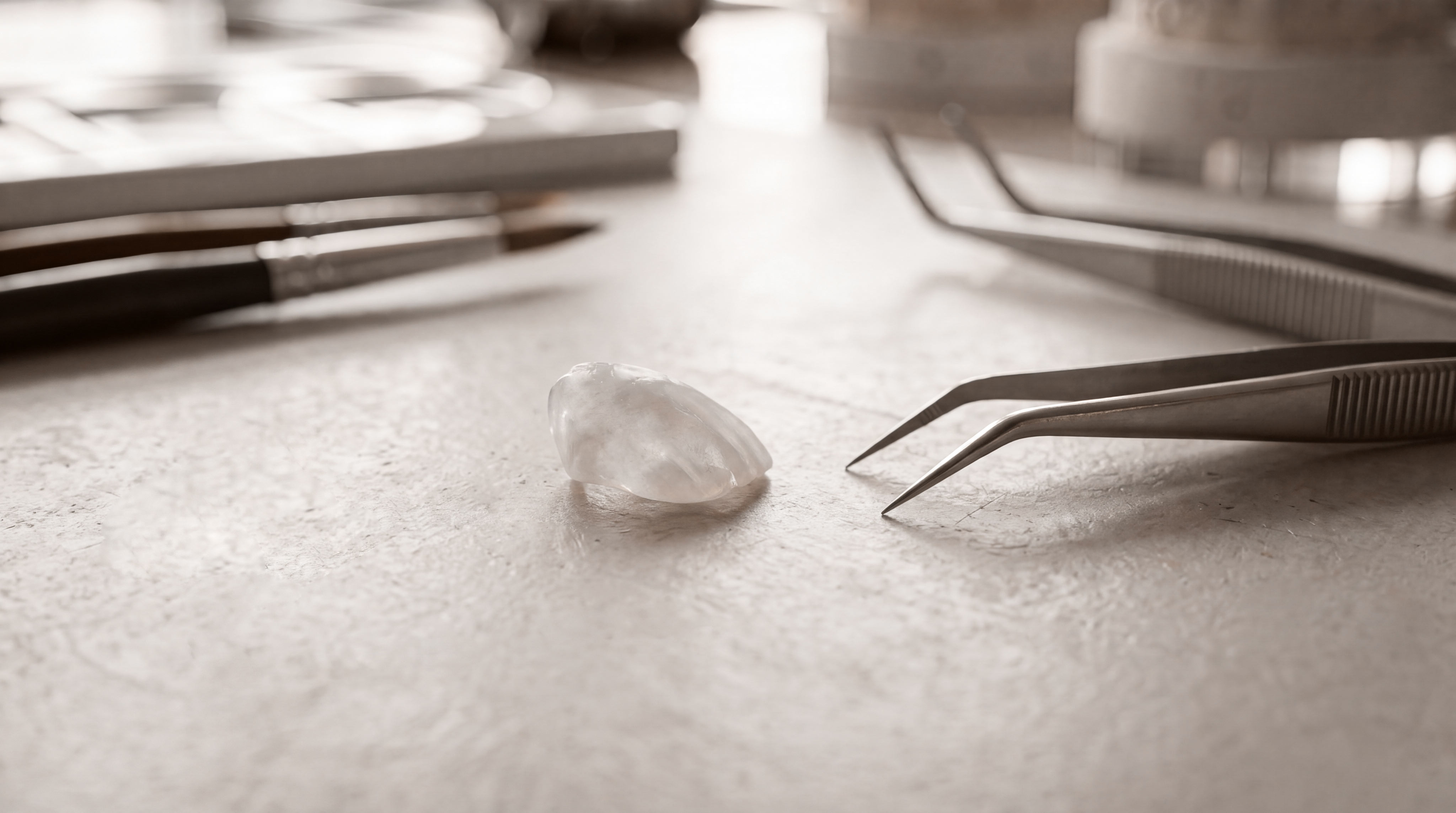
Bonding conditions depend on the underlying tooth surface
Resin penetrates microscopic irregularities in enamel
Enamel is the hard tissue covering the outermost surface of a tooth. Treating it with acid creates microscopic irregularities. The adhesive flows into them and then hardens to form a bond. Preserving as much healthy enamel as possible helps retain natural tooth structure while providing a surface for veneer bonding.
Bonding to dentin requires closer moisture control
Dentin lies beneath enamel, contains moisture and organic components, and has a different structure from enamel. Moisture control is important when preparing its surface so that the adhesive can penetrate and bond. A surface that is too dry or has pooled water can lead to bonding problems. Moisture must be controlled according to the instructions for the adhesive material being used.
Exposed dentin does not make bonding impossible. However, the extent of exposure and the bonding conditions require closer attention. A clinical study comparing the extent of enamel and dentin exposure also found poorer veneer retention outcomes when dentin was extensively exposed.
The aim is to preserve as much enamel as possible. Whether reshaping is needed is decided by considering the tooth's position and color, the space available for the restoration, and the final shape together. No-prep treatment is not suitable for everyone, so the amount of preparation needed is determined for each tooth.
Planning bonding around existing resin restorations
If a front tooth has a resin filling from previous decay treatment, the bonding surface may include both natural tooth structure and existing resin. The size and condition of the filled area, gaps at its margins, and any decay are checked first so that appropriate surface treatment can be planned.
Existing resin does not always need to be removed entirely. In a study of teeth with existing resin restorations, resin in good condition was retained and surface-treated before veneer bonding. In practice, the resin's current condition determines whether it can be retained, repaired, or replaced.
What happens on the day of bonding?
The exact surface treatments and bonding sequence depend on the ceramic and adhesive materials. Here is the general flow, from checking the fit to completing placement.
First, the restoration is tried on the tooth to check its shape, color, and fit at the edges. Saliva and residue left during this check are then removed to clean the bonding surfaces.
Once the surfaces are clean, they are protected from contamination throughout surface treatment and placement. Depending on the area and circumstances, a rubber dam or suction devices are used to keep saliva and blood from the gums away. With the bonding surfaces protected, the tooth and ceramic each receive the required surface treatment. Moisture on the tooth surface is controlled according to the instructions for the materials being used.
Once the surfaces are ready, the adhesive and resin cement are applied, and the restoration is placed in the correct position. The cement is then cured according to the material's instructions. Light-cured materials require adequate exposure to the curing light.
Finally, excess cement is removed and the margins where the tooth and restoration meet are checked. The bite is also checked with the teeth closed together.
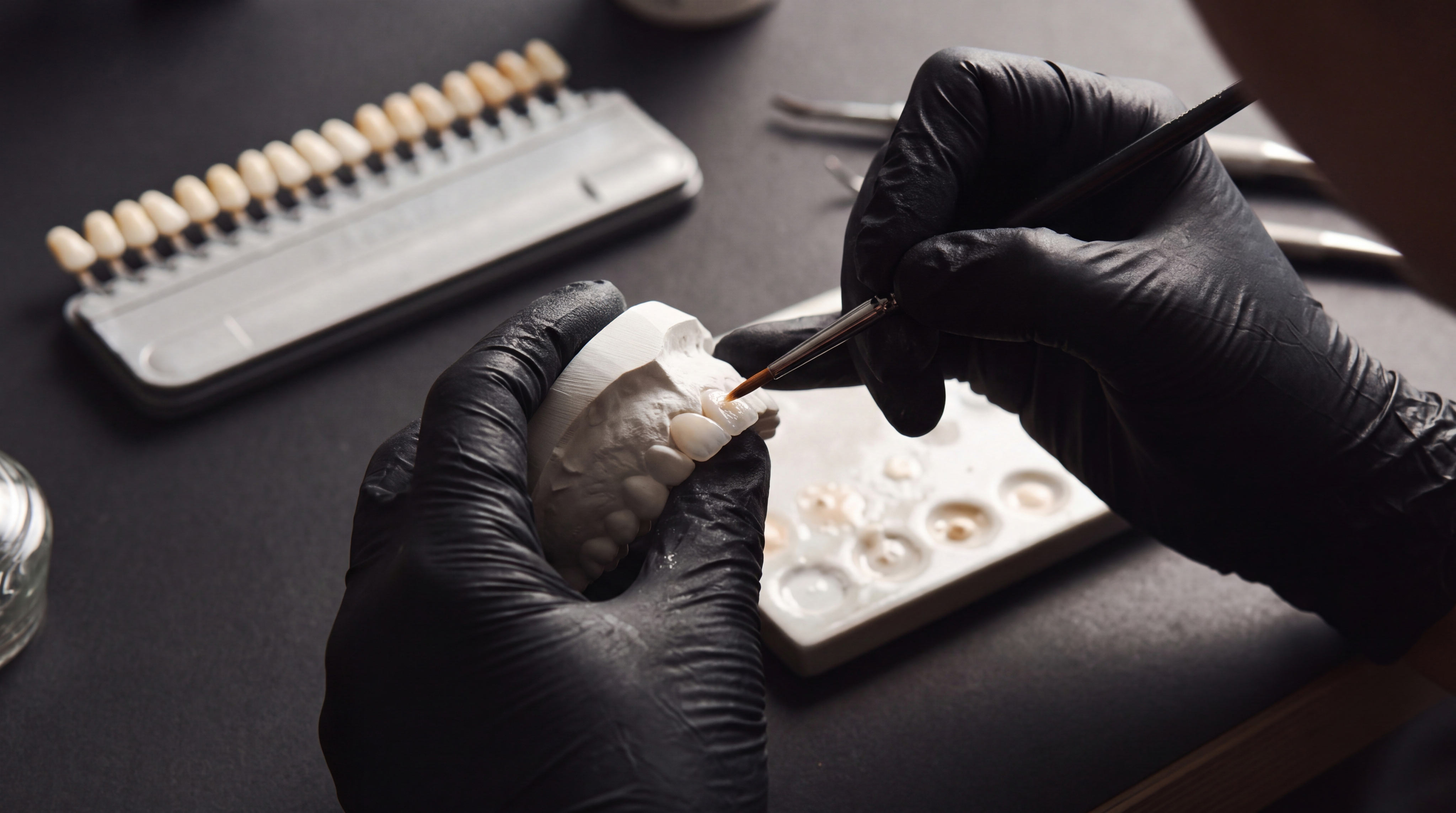
After bonding, forces and margins need attention
Veneers are subjected to force whenever you chew or clench your teeth. If a particular area contacts first when you close your teeth, or force concentrates at the edges of the front teeth, this can strain the bonded area and ceramic. Grinding and clenching repeatedly apply force to the teeth and restorations. A long-term clinical study also identified grinding as a factor associated with failure risk. The bite and any grinding or clenching habits therefore need to be assessed after placement. Avoid biting fingernails or hard objects to prevent excessive force on the restoration.
If a restoration comes off or breaks, the type of problem needs to be identified. Separation of the bonded interface that causes the restoration to come off is called debonding; breakage of the ceramic itself is called fracture. Both can occur together, so a veneer coming off does not, by itself, establish that the adhesive was weak or that biting force was the sole cause. At the clinic, we examine adhesive remaining on the tooth and restoration, cracks, decay, fit, and the areas where biting forces act.
Aftercare involves not only preventing damage from force but also maintaining the health of the surrounding teeth. Natural tooth structure around a veneer can still develop decay, so regular brushing and cleaning between the teeth are necessary. Regular check-ups assess changes at the margins, damage, and the bite.
The following table summarizes what matters before treatment, during bonding, and afterward.
| What to check | Why it matters | What you can ask or do |
|---|---|---|
| Underlying tooth surface | Bonding plans suited to enamel, dentin, and existing resin | Ask how tooth preparation and previous fillings affect bonding |
| Surface treatment and moisture control | Preparation for bonding both surfaces and reducing contamination | Ask about the materials and bonding steps you would like to understand |
| Bite | Checking whether force concentrates in particular areas | Tell the clinic if one area contacts first or the restoration feels high after placement |
| Oral hygiene | Caring for the teeth and gums around the restoration | Brush regularly and clean between the teeth |
| Regular check-ups | Checking margin changes, damage, and the bite | Attend as advised and contact the clinic sooner if you notice changes |

ZERONATE: considering your bonding conditions and desired appearance together
ZERONATE, TU Dental's premium laminate veneer brand, focuses on preserving natural teeth and planning treatment around each person's tooth condition and desired changes. The teeth, gums, and bite are assessed, and smile design considers both aesthetic harmony and chewing function. Suitability, the need for tooth preparation, and the amount of preparation depend on an individual diagnosis.
To translate this design into the actual restoration, ZERONATE lab combines digital technology with the ceramist's precise handwork. This fabrication approach incorporates a shape suited to the teeth and the desired color and texture into each person's restoration.
If you would like to plan veneer treatment around your tooth condition while preserving as much natural tooth structure as possible, a consultation at TU Dental is an opportunity to discuss ZERONATE's personalized design and fabrication approach.
Consultation checklist
- Which areas of my teeth have enamel, dentin, or existing resin?
- Which teeth need reshaping, and how much, to achieve the shape I want?
- Can the existing resin stay in place, or does it need treatment first?
- Do grinding, clenching, or my bite mean I need additional care?
- When should I have check-ups after placement? How should I contact the clinic if a restoration comes off or feels high when I close my teeth?
Frequently asked questions
Do no-prep veneers still require surface treatment before bonding?
Yes. Removing tooth structure to create a shape is different from treating the surface for bonding. Even when a tooth is not reduced, its surface still needs to be prepared and treated for the bonding material before a restoration can be placed. Suitability for no-prep treatment is determined after assessing tooth position and condition, the space required, and other factors.
Is grinding safe if the adhesive is strong enough?
Adhesive strength alone cannot address the repetitive forces caused by grinding. The bite and grinding or clenching habits are assessed, and management options such as an occlusal splint may be discussed when needed. Habits such as biting hard objects with the front teeth also need to be considered.
Can a veneer that has come off be bonded again?
If the tooth and ceramic are undamaged, fit well, and have no other problems such as decay, the dentist can assess whether rebonding is possible. Depending on the damage, repair or fabrication of a new restoration may be needed. Do not try to glue the restoration back yourself; keep it and bring it to your appointment.
Related reading
These pages explain veneer longevity and care, along with the treatment approach behind ZERONATE.
- Veneer lifespan and maintenance: Factors affecting longevity and signs that replacement may need to be considered
- Learn about ZERONATE: The concept of ZERONATE and its focus on preserving natural teeth
Treatment and consultation information
TU Dental provides aesthetic dentistry, orthodontics, dental implants, and comprehensive dental care, with a focus on preserving natural teeth. Individual treatment plans are guided by an overall assessment of the teeth, gums, and bite.
Provider: TU Dental
Main services: ZERONATE, aesthetic dentistry, orthodontics, dental implants, and comprehensive dental care
Location: 54 Seocho-daero 77-gil, Seocho-gu, Seoul (Seocho W Tower), 12F TU Dental Clinic & 13F TU MARTH edition
Latest Articles
This article provides general information about dental care. Treatment outcomes, recovery and side effects can vary. Consult your dentist before deciding on treatment.