Number of ZERONATE Veneers: Partial vs. Full Improvement
One of the most frequently asked questions by those considering ZERONATE veneers is, "How many should I get?" Many people wonder whether it is enough to plan for just a few front teeth, or if it is better to proceed with a comprehensive treatment overall.
In short, the number is not predetermined. Only after reviewing tooth condition, the visible range when smiling, left-right symmetry, color, and shape together is the treatment plan established. Even for the same front teeth concerns, treatment plans may vary depending on individual conditions.
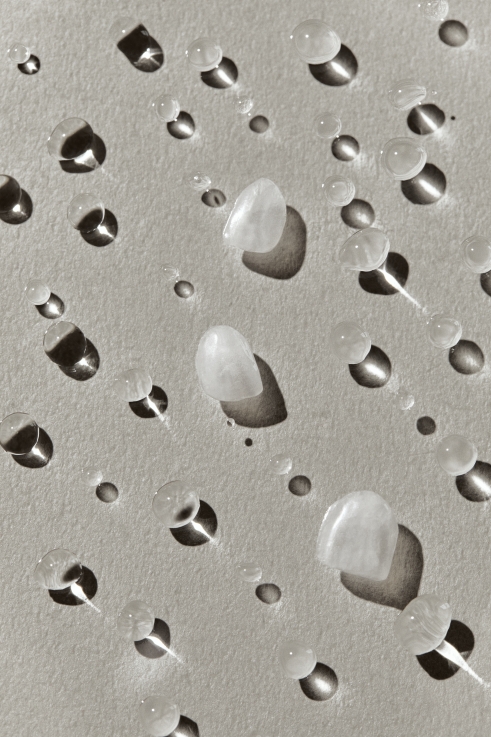
How Many ZERONATE Veneers Are Usually Done?
The number of veneers needed varies from person to person. Some refine the shape of just a single front tooth, while others plan multiple teeth together to achieve left-right symmetry. If there is a significant color difference between teeth or if many teeth are visible when smiling, a slightly broader scope of application may be planned.
What matters is not "how many are possible," but how far improvement should go to make the entire smile flow naturally. The number of ZERONATE veneers begins from this perspective.
Criteria for Determining the Number
The number of veneers is determined after reviewing the following factors together:
Visible range of teeth when smiling
Left-right symmetry
Color differences with existing teeth
Tooth size, shape, and proportions
Even when considering the same two front teeth, partial improvement may be sufficient based on these conditions, while planning a slightly broader scope of application may be more suitable in other cases.

oral design J.ONE
When Partial Improvement Is Suitable
Partial improvement involves selecting and planning only the necessary teeth. It can be considered in the following cases:
When wishing to refine the shape of only specific front teeth
When concerned about size differences in certain teeth
When the color difference from surrounding teeth is not significant
When the visible range of teeth when smiling is relatively narrow
However, even when fewer teeth are treated, it is essential to verify whether the color, shape, and proportions blend naturally with existing teeth. Even if only two front teeth are improved, a lack of harmony with adjacent teeth can make the overall impression look unnatural.
When Full Improvement Is Considered: Smile Makeover
Conversely, there are cases where a broader scope of application is planned. Typical examples include:
When wishing to beautifully improve all upper and lower teeth into ideal shapes and colors
When multiple front teeth are exposed when smiling
When left-right symmetry needs to be achieved
When color differences between teeth are significant, so improving only a few may cause discrepancies to stand out
When adjusting overall tooth shape and proportions
Full improvement is closer to the concept of a smile makeover, where the entire smile is designed as a single scene. In these cases, based on the range visible when smiling, 8 to 10 upper teeth and 8 to 10 lower teeth are planned together—totaling 16 to 20 teeth in many instances—and up to 28 teeth may be planned for those with a wider visible range.
While many still achieve natural results through partial improvement, there is a growing trend toward choosing a smile makeover that designs the harmony of the entire smile rather than stopping at improving just a few teeth. This allows color, shape, proportion, and left-right symmetry to be refined all at once, enabling plans that extend to transforming the overall impression.
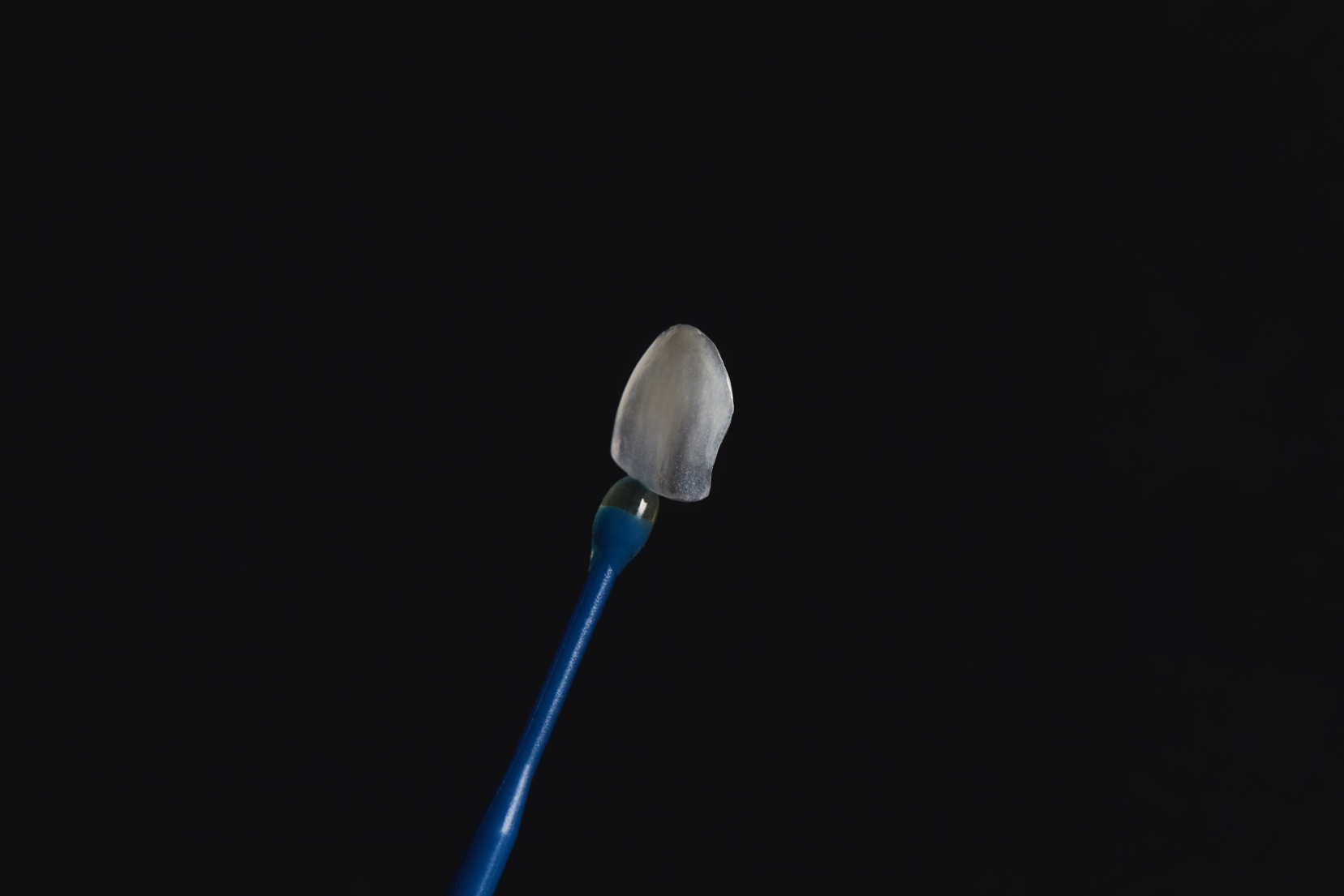
Design Perspective for Natural Harmony
The treatment planning for ZERONATE veneers does not end with simply counting the teeth that need improvement. The applicable scope is designed by examining the visible range when smiling, left-right symmetry, color and shape, and seamless connection with existing teeth.
If a natural flow can be achieved through partial improvement alone, the treatment is concluded within that necessary scope. However, if the goal is to transform the overall impression of the smile, both the upper and lower teeth are planned together from a smile makeover perspective. The number of ZERONATE veneers is likewise determined based on overall harmony throughout this diagnostic process.
Limitations and Considerations
The appropriate number of treatment units varies depending on tooth condition, left-right symmetry, the balance of color and shape, and the range visible when smiling. A higher number does not always guarantee better results, and the appropriate scope is determined through individual clinical evaluation. However, treatment results and potential side effects may vary by individual, so it is recommended to decide on treatment after consulting with a medical professional.
If you are interested in the process of designing the harmony of the entire smile while preserving natural teeth, more information can be found on the page below. For detailed guidance, a consultation with a medical professional is recommended.