

TU Dental
ZERONATE
MARTH film
Oral Design
About TU Dental
Patient Reviews
Our Stories
Understanding your care. The beginning of trust.
TU Dental created this glossary to help you understand treatment and make informed choices. We explain unfamiliar terms and treatment differences in plain language so you can prepare questions and have a meaningful conversation with your dentist.
All terms 60
e.max veneers are veneers made with materials from Ivoclar's IPS e.max range. The term combines a material product name with a treatment method.
Temporary veneers are provisional restorations used while the final restoration is being fabricated or assessed. They may protect teeth, maintain appearance, and help check the planned shape.
Resin laminates improve color and shape by covering or building up the front of a tooth with composite resin. They are also called resin veneers.
Resin veneers are composite resin restorations that improve the visible tooth surface. The term is also used interchangeably with resin laminates.
Veneers can be compared based on material, fabrication method, and tooth preparation extent. If the names of different criteria are listed as if they are the same type, it is easy to misunderstand the differences in treatment.
Front tooth spacing means there are gaps between the front teeth. Tooth size and alignment, missing teeth, gum condition, and other factors may contribute.
A gummy smile describes prominent upper gum display when smiling. It reflects the relationship between the teeth, gums, lips, and jawbone, and is not itself a diagnosis of disease.
Internal whitening is a method of applying a whitening agent to the inside of teeth that have darkened, mainly after receiving root canal treatment. The access location is different from regular whitening where the medication is applied outside the natural teeth.
Direct bonding is a restorative method that directly bonds and shapes composite resin to the tooth. It is used to compensate for small fractures, gaps, and differences in shape, and is also called composite bonding.
Resin infiltration is a method of infiltrating low-viscosity resin into the microscopic porous area beneath the tooth surface. ICON is the product name used for this method.
Lumineers is a dental veneer brand. It is not a general term for all no-prep veneers.
MINISH is the brand name introduced by MINISH Technology as a tooth restoration solution. It should be understood as a proper name for a method of restoring tooth damage and shape.
A whitening light is a light-source device used with whitening agents in some dental whitening systems. It is not required for every whitening method; its use depends on the product instructions.
Whitening maintenance is the process of reducing new staining after treatment and checking tooth color and oral condition. The color change and tooth response determine whether additional whitening is needed.
Sensitivity after whitening is a heightened tooth response to cold or other stimuli during or after whitening. It may be temporary, but its intensity and persistence can warrant assessment for other causes.
Shade selection is the process of comparing and choosing a color for natural teeth or restorations. The Korean term refers to the English word “shade,” and the process uses shade guides, photographs, and other records.
Ceraminate is a name some dental clinics use for treatments in the ceramic veneer category. The name alone does not establish a standardized material, fabrication method, or extent of tooth preparation.
Ceramic braces are fixed braces that use tooth-colored or transparent ceramic brackets. The teeth are moved by transmitting force through brackets and wires.
ZERONATE is TU Dental’s premium laminate veneer brand, built on a philosophy of preserving natural teeth. Its vision is to combine near-zero thickness with the health and beauty of ideal natural teeth, while preserving as much of your own tooth structure as possible.
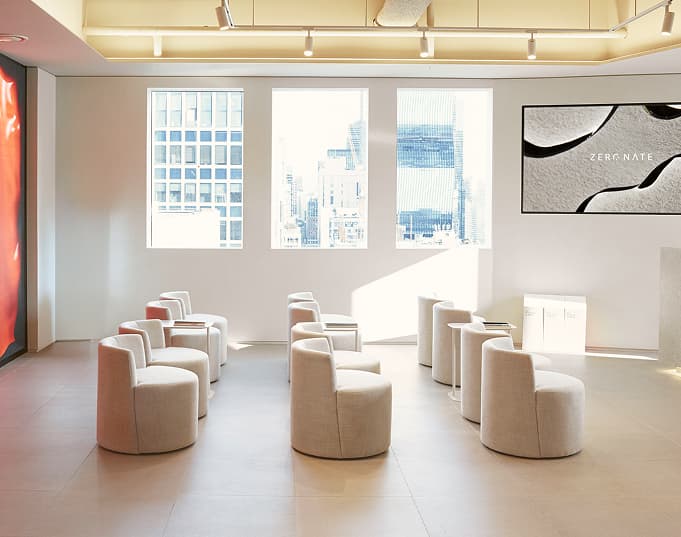
TU DENTAL CLINIC
An informed choice starts with understanding your care. Talk with TU Dental about whether ZERONATE suits your teeth and how natural tooth structure can be preserved. We help you ask questions and understand your options.
Chat on WhatsAppLeave your email address to discuss treatment options and plan your visit.
54 Seocho-daero 77-gil, Seocho-gu, Seoul (Seocho W Tower)
12F TU Dental Clinic · 13F TU MARTH edition