

Temporary Veneer Fell Off or Broke? What to Do Now and How to Care for Your Teeth
If a temporary veneer comes off during a meal or a corner chips while you are waiting for your final veneers, you may be unsure how to manage until it can be fixed. It can feel especially worrying when a front tooth is involved.
Keep the temporary veneer and any broken pieces, do not use household glue to put it back, avoid chewing on that tooth, and contact the dental clinic treating you. Your dentist will assess the tooth and the time left before your final fitting to decide whether to reattach it, make a replacement, or check it at your final veneer appointment.
Temporary veneers are not designed for long-term use. They are lightly secured so they can be removed when your final veneers are ready, which means they may come off or break in the meantime. Below, we explain what to do in different situations and when to seek care, followed by why temporary veneers are used, how long you wear them, how they differ from the final result, and how this stage works with ZERONATE.
What to Do First If a Temporary Veneer Falls Off
Try not to panic. Work through the following steps.
- Save the veneer and any fragments. Gently rinse them with water and place them in a small container with a lid. Avoid wrapping them in a tissue, as they could be mistaken for rubbish and thrown away. Your dentist will need them to assess whether they can be reused.
- Do not use superglue or household adhesives. These products are not intended for use in the mouth. If the veneer sets in the wrong position, it can also make removal at the clinic more difficult.
- Contact your treating dental clinic as soon as possible. Explain when it happened, how many temporary veneers came off, whether you have the pieces, and whether the exposed teeth are sensitive or painful. This helps the clinic decide what care you need. If the clinic is closed, contact them on the next working day, unless you have symptoms that require more urgent care in the table below.
- Avoid chewing on the affected tooth; eat soft foods using your back teeth. Tooth preparation brings the surface closer to the nerve and may cause sensitivity. Chewing on an uncovered tooth, or exposing it to hot, cold, or sweet foods, may trigger discomfort.
- Keep brushing, but be gentle. Use light pressure to clean the exposed tooth and gumline so food does not accumulate. Gum inflammation can interfere with bonding the final veneer.
If the Temporary Veneer Is Chipped or Loose
If only a small corner has chipped and the rest is firmly attached, leave it in place: the remaining part is still covering your tooth. If the temporary veneer is very loose or a broken piece is dangling and you are worried it could come off and be swallowed during sleep, gently remove the loose piece, keep it in a container, and contact your dentist that day. You can cover a sharp edge with orthodontic wax if it rubs against your tongue or cheek, but if it is injuring your mouth, contact the clinic the same day. Do not try to scrape or file it down yourself.
How Soon Should You Contact a Dentist?
In most cases, you can call during clinic hours and arrange an appointment soon. Some symptoms, however, need more urgent attention.
Situation | What to do | When to seek care |
|---|---|---|
The entire temporary veneer has come off, with no pain | Keep it safe and avoid chewing on the affected tooth | Contact the clinic as soon as it opens to arrange reattachment or replacement |
The temporary veneer is chipped, cracked, or loose | Do not force it off; avoid chewing on that tooth | Contact the clinic as soon as possible. Seek urgent dental advice the same day if a sharp edge is injuring your mouth or there is a risk of swallowing a loose piece |
The exposed tooth is sensitive to cold water or air | Avoid triggers | Contact the clinic as soon as possible. Seek urgent dental advice the same day if sensitivity is severe or pain persists |
You think the natural tooth underneath has also fractured | Keep all fragments | Seek urgent dental advice the same day |
Swelling is spreading or persists with a fever; pain is not controlled by painkillers; or the fracture affects chewing or other oral functions | Do not wait | Seek urgent dental care the same day. If your clinic is closed, find an open dental clinic or medical facility |
Severe swelling makes breathing or swallowing difficult; heavy bleeding will not stop; or a major injury may involve facial bones | Do not wait | Go to a hospital emergency department |

Who Needs Temporary Veneers, and How Long Are They Worn?
Temporary veneers cover prepared teeth while the final veneers are being made. They are removed at the final fitting appointment. The veneer procedure described in Seoul National University Hospital's patient information follows this sequence:
- Prepare the teeth and take impressions
- Place the temporary veneers
- Fabricate the final veneers; you wear the temporary veneers during this period
- Try in and bond the final veneers, then adjust the bite
How many days will I wear them? Only while the final veneers are being made, so this is a short-term stage. The same hospital guidance describes a fabrication time of around 5–6 days after impressions. Depending on the fabrication method and clinic schedule, it may take a little longer; around one week to ten days is a general guide. Confirm the exact timing with your next appointment.
Who needs them? They are used when teeth have been prepared and you need to wait while the final veneers are made separately. They help protect the nerves within the prepared teeth and maintain the appearance and function of the front teeth. They are not necessary in every case, however: the amount of tooth preparation and your treatment plan may mean you do not need them. Ask at your consultation whether you will have temporary veneers and, if so, for how long.
Why Can Temporary Veneers Come Off Easily?
They need to be removed cleanly when the final veneers are ready. For this reason, they may be secured only at selected points without cement, or with an easily removable temporary adhesive. They are also small, thin restorations that cover only the front of the teeth, making firm retention more difficult, and temporary materials tend to be more prone to breakage.
Do Temporary Veneers Show Exactly How the Final Veneers Will Look?
Not exactly. The main difference is the material. Temporary veneers are usually made from resin or acrylic, while final veneers are generally made from porcelain, or ceramic, which provides natural translucency. The shade, translucency, gloss, and strength may therefore differ.
The shape and length may be similar or different, depending on the clinic's approach. Some temporary veneers incorporate the planned final design so the shape and length can be refined. Others are made primarily to cover and protect the prepared teeth.
Comparison | Temporary veneers | Final veneers |
|---|---|---|
When they are placed | On the day the teeth are prepared and impressions are taken | At the try-in appointment after fabrication is complete |
How long they are worn | Until the final veneers are ready | For ongoing use after bonding |
Material | Usually resin or acrylic | Usually porcelain (ceramic) |
How they are attached | Lightly secured so they can be removed | Bonded with resin cement after surface treatment |
Shade and translucency | May differ from the final veneers | Natural translucency |
Shape | May reflect the final design or serve mainly as protection | The agreed final design |
While wearing your temporary veneers, make a note of anything you notice, such as “I'd prefer them slightly shorter” or “My speech sounds different.” Share this before the final try-in so your dentist can check it with you.
Caring for Your Teeth While Wearing Temporary Veneers
When eating
- Cut food into small pieces and chew with your back teeth instead of biting into it with your front teeth.
- Seoul National University Hospital's patient information advises avoiding excessive chewing force and hard or tough foods while wearing temporary restorations. It also advises against biting into apples or corn with veneered front teeth. Ice, hard nuts, and sticky foods such as caramel can also break or dislodge temporary veneers.
When cleaning
- Use a soft toothbrush and light pressure, including where the temporary veneers meet the gums.
- How you use dental floss or interdental brushes may depend on how the temporary veneers are attached. If floss catches or a temporary veneer feels as though it is moving, ask your clinic how to clean the area.
Everyday habits
- Nail-biting, chewing hard objects or ice, and opening bottle caps with your teeth repeatedly place stress on teeth and restorations. Take extra care to avoid these habits while wearing temporary veneers.
If you feel discomfort
- Taking impressions can leave the gums red or feeling compressed; this generally eases gradually after about a week. If sensitivity or pain persists, or the temporary veneers interfere with your speech, contact the clinic for an adjustment rather than putting up with it.
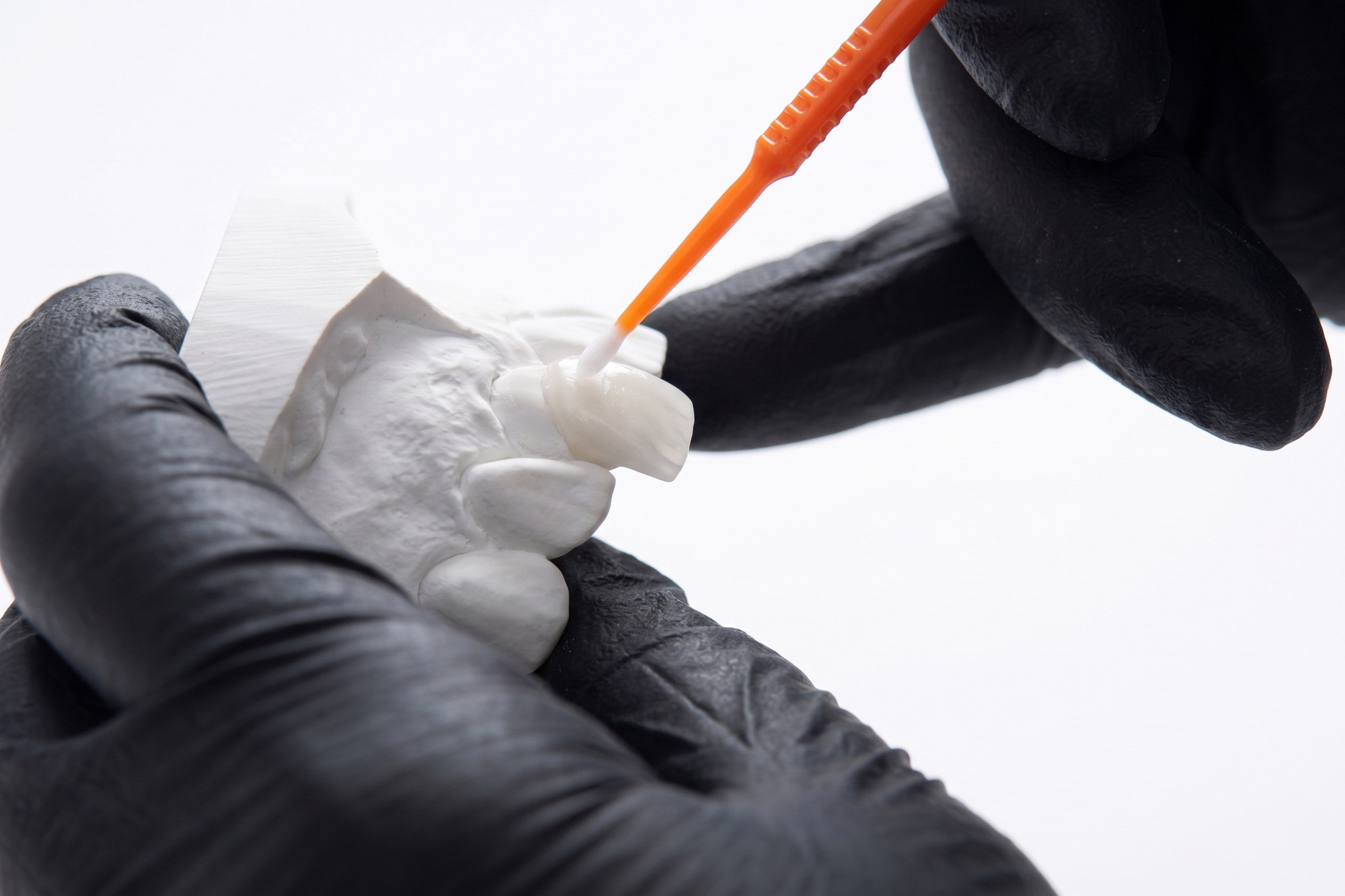
How Does ZERONATE Use Temporary Veneers? The Temporary Stage and Aftercare
ZERONATE is TU Dental's premium laminate veneer brand, built on a philosophy of preserving natural teeth. With a thickness approaching zero, it preserves natural tooth structure while bringing together the health and beauty of ideal natural teeth.
With ZERONATE, the temporary stage uses temporary ZERONATE veneers, referred to by TU as “템포 제로네이트.” As explained in TU Dental's guide to the ZERONATE procedure, treatment progresses through diagnosis and consultation, smile design, smile preview, digital scanning, fabrication, and final bonding. Any tooth preparation takes place at the smile preview stage. Teeth are left unprepared when a no-prep approach is suitable; if needed, minimal preparation or selective tooth reshaping is carried out within the enamel before the temporary ZERONATE veneers are placed. This lets you preview the planned design in your mouth and wear it while your ZERONATE veneers are being made. Your preferred tooth shade is also chosen at this stage. Changes are less straightforward once fabrication is complete, so discuss the length and shape thoroughly during the preview.
Temporary ZERONATE veneers are part of the standard process, but they are not always worn throughout the waiting period. In no-prep cases or those requiring very little preparation, they may be used only to preview the design and then removed.
Depending on the ZERONATE treatment option, the interval between tooth preparation and bonding the completed ZERONATE veneers may be as short as one day, two days with one overnight stay, three days with two overnight stays, or up to around ten days. When temporary ZERONATE veneers are needed, you wear them during this interval. A ONE DAY plan can take you from diagnosis to final bonding in one day, but eligibility and how much can be completed that day are determined after assessing your teeth, gums, and bite.
If a temporary ZERONATE veneer comes off, keep the pieces and contact TU Dental, as described above. This is uncommon, but prompt follow-up care is available if it happens. If there is no substantial detachment or breakage, it may be checked at your ZERONATE bonding appointment.
With regular dental check-ups to assess your teeth and the veneer bonds, along with consistent daily care such as proper brushing, ZERONATE veneers can last on a semi-permanent basis if no significant problems develop. Their actual lifespan may vary depending on the condition of your teeth and gums, your bite, and everyday habits.
After your ZERONATE veneers are bonded, care includes the following:
- On the day of final bonding: Remaining adhesive is removed, the teeth are cleaned, and the bite is adjusted.
- Every six months: Regular check-ups assess the bond, surrounding teeth and gums, and your bite.
- If you grind or clench your teeth: Your bite is assessed, and you can discuss whether a protective appliance is needed.
- If something feels different: Do not wait for your scheduled check-up if you notice a foreign-body sensation, a feeling that something has chipped, changes around the bonded area, discomfort when chewing, or sudden pain.
- If a ZERONATE veneer comes off or breaks: It may be repaired or remade, depending on the extent of the damage. Do not try to reattach it yourself; keep it safe and bring it to the clinic.
- If you are visiting from overseas: Before leaving Korea, have any foreign-body sensation, speech concerns, and bite issues checked, and confirm your care instructions. Ask about care after returning home and when further assessment may be needed.
- TU CARE+: ZERONATE includes an aftercare and warranty system called TU CARE+. The coverage period varies by treatment option. Confirm what is included during your consultation.
Frequently Asked Questions
Can I Wait Until My Next Appointment If There Is No Pain?
If your appointment is soon, contact the clinic and ask whether it is appropriate to wait. If it is further away, ask whether you should come in earlier. Even without pain, the prepared tooth surface and gumline remain exposed.
Can I Reattach It Myself with Temporary Dental Cement from a Pharmacy?
Ask your dentist before using it. Over-the-counter temporary dental cement is sometimes suggested for a dislodged crown, but a temporary veneer is a thin shell covering only the front of a tooth, so positioning it accurately at home can be difficult. If it is attached incorrectly, your dentist may need to remove it again. Never use superglue.
What If I Am Travelling and Cannot Visit My Treating Clinic Right Away?
Call your treating clinic first and ask whether you can wait until your next appointment. Since they are making your final veneers, they can advise you with the design and schedule in mind. If you need to visit a nearby dentist, explain that the temporary restoration was placed as part of veneer treatment, and let your original clinic know what care you received.
Is There an Extra Charge for Reattachment or Replacement?
This varies by clinic. It depends on whether the existing temporary veneer can be reattached, whether a new one is needed, and whether this care is included in your treatment fee. Ask about the cost as well as the recommended care when you call. If you have not started treatment yet, check this at your consultation.
If My Temporary Veneers Keep Coming Off, Will the Final Ones Do the Same?
The two are not directly comparable. Temporary veneers are lightly secured with removal in mind, while final veneers undergo surface treatment to improve adhesion and are bonded with resin cement. If the same area repeatedly comes off or breaks, however, tell your dentist: your bite or a clenching habit may be contributing. Your dentist can assess these factors when fitting the final veneers.
Pre-Consultation Checklist
Asking these questions in advance can make the temporary veneer stage easier to manage.
☐ Will I need temporary veneers? If so, how will they be secured?
☐ How many days will I wear them, and when will my final veneers be bonded?
☐ How should I contact the clinic if a temporary veneer comes off or breaks? What should I do when the clinic is closed?
☐ Are reattachment or replacement costs included in my treatment fee?
☐ Are there foods I should avoid or specific cleaning instructions while wearing temporary veneers?
☐ What should I do if a problem arises when I live far away or am visiting from overseas?
☐ How often are check-ups needed after final bonding, and what do the aftercare and warranty cover?
Related Articles
For more on what comes after the temporary stage and how to care for your final veneers, see the articles below.
- How Does the ZERONATE Procedure Work? From Consultation to Completion and Aftercare
- Veneer Side Effects: Why Sensitivity, Debonding, and Gum Problems Occur—and What to Do
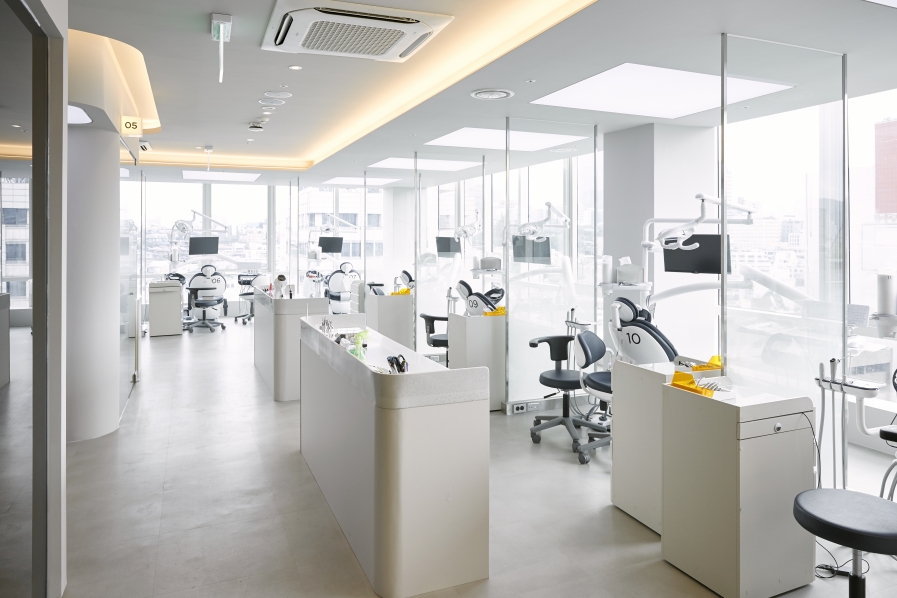
TU Dental Treatment and Consultation Guide
TU Dental provides aesthetic dentistry, orthodontics, implants, and comprehensive dental care with natural tooth preservation at its core. We assess your teeth, gums, and bite together to recommend an individual treatment plan.
- Provider: TU Dental Clinic
- Main Dental Services: ZERONATE, Aesthetic Dentistry, Orthodontics, Implants, Comprehensive Dental Care
- Location: 54 Seocho-daero 77-gil, Seocho-gu, Seoul (Seocho W Tower), 12F TU Dental Clinic / 13F TU MARTH edition
Medical Information and Advertising Notice
This article is informational medical advertising provided by a healthcare institution to explain general information about consultations, examinations, treatments, and procedures. Suitability, results, recovery, and adverse effects may vary depending on individual health, the treatment area, and clinical circumstances. This article does not replace a personal diagnosis or treatment plan. Before deciding on a procedure, please consult a qualified clinician to confirm an appropriate approach and plan for your needs.