ZERONATE Veneers Stain Management: Color Maintenance Guide for Coffee and Wine Lovers
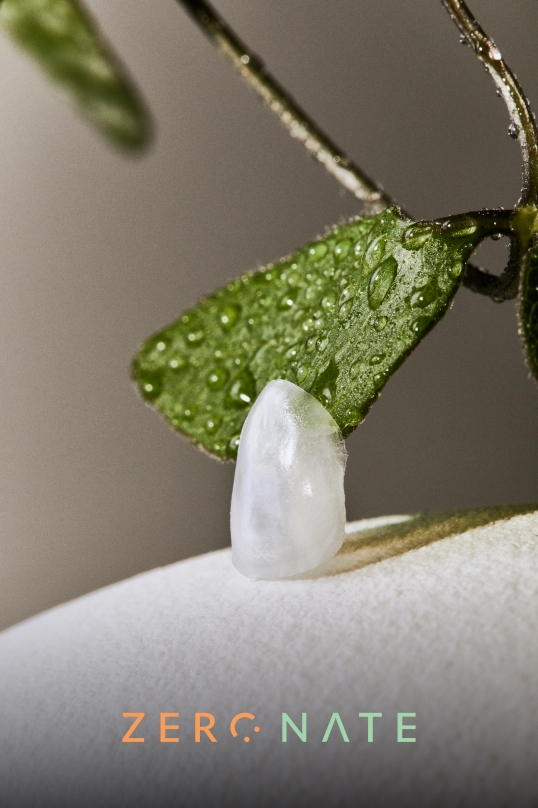
Does ZERONATE veneers stain?
For those who enjoy coffee or wine, one of the primary concerns when considering ZERONATE veneers is staining. Questions such as, "Are coffee and wine no longer allowed after getting veneers?" or "Does drinking wine change the color?" are frequently raised during aesthetic treatment consultations. To put it simply, the ceramic body used in ZERONATE veneers is not discolored by beverages like coffee or wine. This is not just a blind assumption, but a conclusion derived from the structure of the material.
For staining to occur, pigment molecules must penetrate and settle into the material. However, the lithium disilicate and feldspathic ceramics used in ZERONATE veneers are both vitreous ceramics. Since the material is free from organic components that absorb pigments and does not absorb moisture, there is simply no pathway for pigments to enter the material. However, there are certainly cases where a change in shade is noticed over time. The cause behind this phenomenon lies not in the ceramic body itself, but on the surface and the margins. Understanding this distinction is the starting point for managing ZERONATE veneers stains.
Staining: Natural Teeth vs. Ceramics
Understanding how natural teeth become discolored makes it easier to compare the characteristics of ceramic materials. The enamel of natural teeth contains microscopic pores, which allow pigments from coffee, black tea, red wine, and curry to easily penetrate both the surface and the interior. In particular, consuming acidic beverages can temporarily roughen the enamel surface, increasing the potential for pigment absorption. Conversely, as explained above, ceramics have a glass structure through which pigments cannot penetrate. This principle is the same as how a glass cup does not turn brown even if you pour coffee into it every day. While discoloration in natural teeth is a "seeping into the material" type of change, what occurs on ceramics is closer to "depositing on the surface," which can be easily removed through scaling and polishing.
However, the following factors may affect color maintenance:
Boundary with Natural Teeth(Margins): The boundary where the ceramic and the natural tooth meet is the area where pigments and plaque tend to accumulate, making it harder to clean over time.
Bonding Agent: The bonding agent used to secure the ceramic is resin-based. Unlike glass-based ceramics, it carries more potential for color changes. The better the fit, the thinner the exposed adhesive layer becomes; therefore, precise adaptation is crucial not only for aesthetics, but also for maintaining color longevity.
Surface Care Condition: The amount of accumulated deposits varies depending on maintaining surface gloss through regular scaling and polishing.
Helpful Tips When Enjoying Coffee and Wine
Understanding the fundamentals of staining leads to a clearer direction of care. It is not about cutting out beverages, but about protecting the surface and the margins.
Rinsing with Water Immediately After Consumption
Simply rinsing the mouth with water right after drinking coffee or wine can greatly help reduce the pigments remaining on the surface. This is the simplest yet most effective daily habit.
Using a Straw
Using a straw when drinking cold beverages such as iced coffee or tea can reduce the amount of liquid that directly contacts the tooth surface.
Maintaining Oral Hygiene
Flossing and regular brushing play an important role in preventing staining along the margins of both natural teeth and ZERONATE veneers. In particular, the boundary between the ceramics and the natural tooth is prone to trapping food particles and pigments, making meticulous care essential.
Avoiding Hard or Abrasive Cleaning Tools
Hard-bristled toothbrushes or toothpastes with high abrasiveness can create microscopic scratches on the smooth surface of the ceramics. Once the surface turns rough, it easily catches pigments and plaque. Therefore, soft-bristled toothbrushes and standard toothpaste are much more suitable for ceramic surfaces.
What to Check When Color Changes Are Noticed
When a color change is felt over time after getting ZERONATE veneers, several factors need to be checked first:
Whether it is surface staining on the ceramic — Such cases can mostly be addressed through polishing.
Whether it is discoloration along the margins — The required approach varies according to the cause.
Whether the surrounding natural teeth discolored — Unlike ceramics, natural teeth stain gradually over time. which can make the ceramic layer stand out relatively. In this case, managing the natural teeth is necessary rather than replacing the ceramics.
The duration since the last check-up and changes in dietary habits or care routines.
Since these factors are difficult to determine by visual appearance alone, confirming them through a routine check-up when any change is noticed is the most accurate approach.
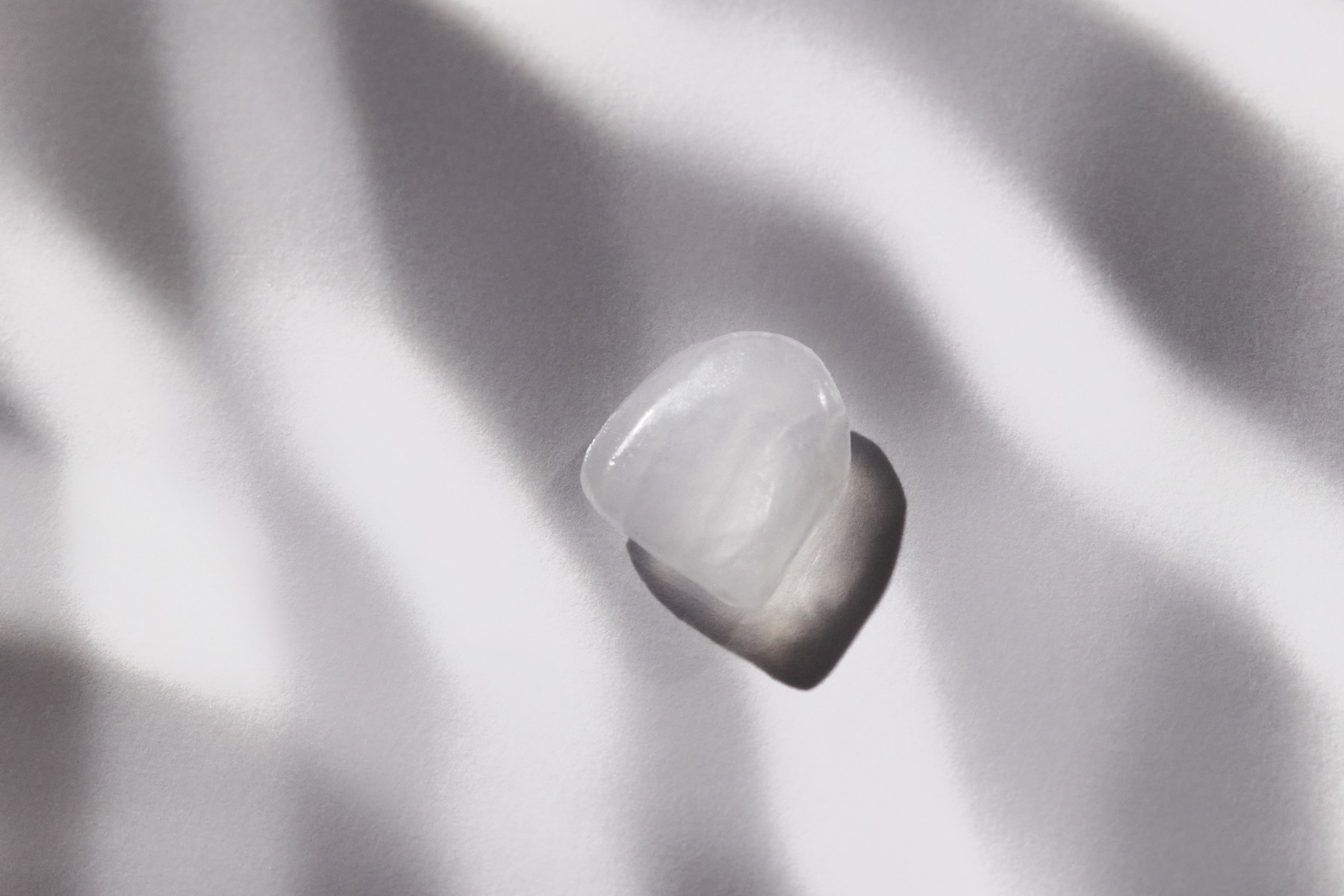
Routine Care for Long-Lasting Natural Results
The fact that the ceramic body does not discolor on its own means that the initial color can last a long time with consistent maintenance. Aesthetic treatment is not completed solely by the procedure itself, but by the ongoing aftercare that follows. The following factors are evaluated together during regular check-ups:
Ceramic margins and surface condition inspection
Oral hygiene evaluation
Polishing (surface smoothing) if necessary
ZERONATE veneers operate an aftercare system that includes the post-treatment journey into its design. The most realistic way to maintain long-lasting color and the overall result is to schedule regular check-ups every six months. If it is difficult to restrict coffee or wine, consistently monitoring the surface condition through regular management is more sustainable than forcing a change in daily habits.
Learn more about ZERONATE veneers
Limitations and Precautions
The degree of staining and the duration of color maintenance may vary depending on the material, scope of the procedure, lifestyle habits, and the marginal condition with natural teeth. Individual differences exist, and specific management directions will be guided through routine check-ups.
This article is written for general informational purposes, and does not guarantee specific results or recommend a particular treatment. However, as treatment results and potential side effects may vary from person to person, please consult with a medical professional before deciding on treatment.