Chipped Front Tooth: Are Veneers Right for You? How to Choose Between Bonding, Veneers, and Crowns
A chipped front tooth can make you self-conscious about your smile. At the same time, you may worry about having healthy tooth structure removed during treatment. Is composite bonding enough, could a veneer improve the shape, or do you need a crown?
The starting point is how much of the tooth needs to be restored. If repairing a small chip can restore the shape you want and the surrounding tooth structure is healthy, composite bonding may be suitable. A veneer may be considered when you also want to improve the shape and color of the front surface. A crown may be needed when a severely damaged or weakened tooth requires protection around the whole tooth. The options available also depend on the remaining tooth structure, the condition of the pulp and root, and your bite.
When a natural front tooth chips, both the restoration goal and the cause of the damage matter. Injury, decay, and teeth grinding call for different treatment and care. If an existing veneer or crown breaks, damage to the restoration needs to be distinguished from damage to the tooth underneath.
Are Veneers Suitable for a Chipped Front Tooth? When Is Bonding Enough?
If you want to restore a chipped front tooth and also improve the shape and color of its front surface, a veneer may fit that goal. Veneers can address chips while improving the shape or color of the front of a tooth. If you want more than a repair to the chipped edge, you can discuss exactly how much of the front contour and color you would like to change.
A ceramic veneer is a custom-made restoration bonded to the front of a tooth. A veneer covers the front surface, whereas a crown covers the whole tooth. If the remaining tooth is stable and does not need full coverage for protection, a veneer can be compared as an option for improving its front shape and color.
ZERONATE is TU Dental Clinic’s premium laminate veneer brand. Its thin design and focus on preserving natural teeth bring together the health and beauty of front teeth. It may appeal to you if you want to restore a chipped area and refine the front shape and color, while also being concerned about removing healthy tooth structure.
If repairing just the chipped area would restore the shape you want, composite bonding can repair that part of the tooth. Bonding can also improve shape and color, so how much you want to change beyond repairing the chip is the starting point for comparing the two approaches. A veneer is not necessarily needed if a small repair meets your goal.
Tooth Health and Preparation to Check Before Veneers
Before improving the front surface with a veneer, it is important to identify any disease that needs treatment, whether the tooth needs a different type of protection, and whether biting forces need to be managed. The following conditions can change the treatment sequence or suitability.
- If you have tooth decay or gum disease: These conditions need to be treated before veneers. Covering the front of a tooth does not treat decay or gum problems.
- If a large amount of tooth structure has been lost: A crown may be needed to cover and protect a tooth when the remaining structure cannot adequately support a large filling, such as composite resin. This has a different purpose from improving the front surface with a veneer. The size of the visible chip alone does not show how much support the remaining tooth can provide.
- If you grind or clench your teeth, or have a deep bite: Veneers may not be suitable. Grinding and clenching forces also act on a new restoration. Alongside changing the material, bite contacts or habits that concentrate force need to be managed.
Ceramic veneers may require the tooth surface to be prepared to achieve the desired shape and make space for bonding. Whether preparation is needed, and how much, depends on the tooth shape and treatment plan. Enamel that has been removed cannot be restored.
How Do Bonding and Crowns Differ in Coverage and Tooth Preparation?
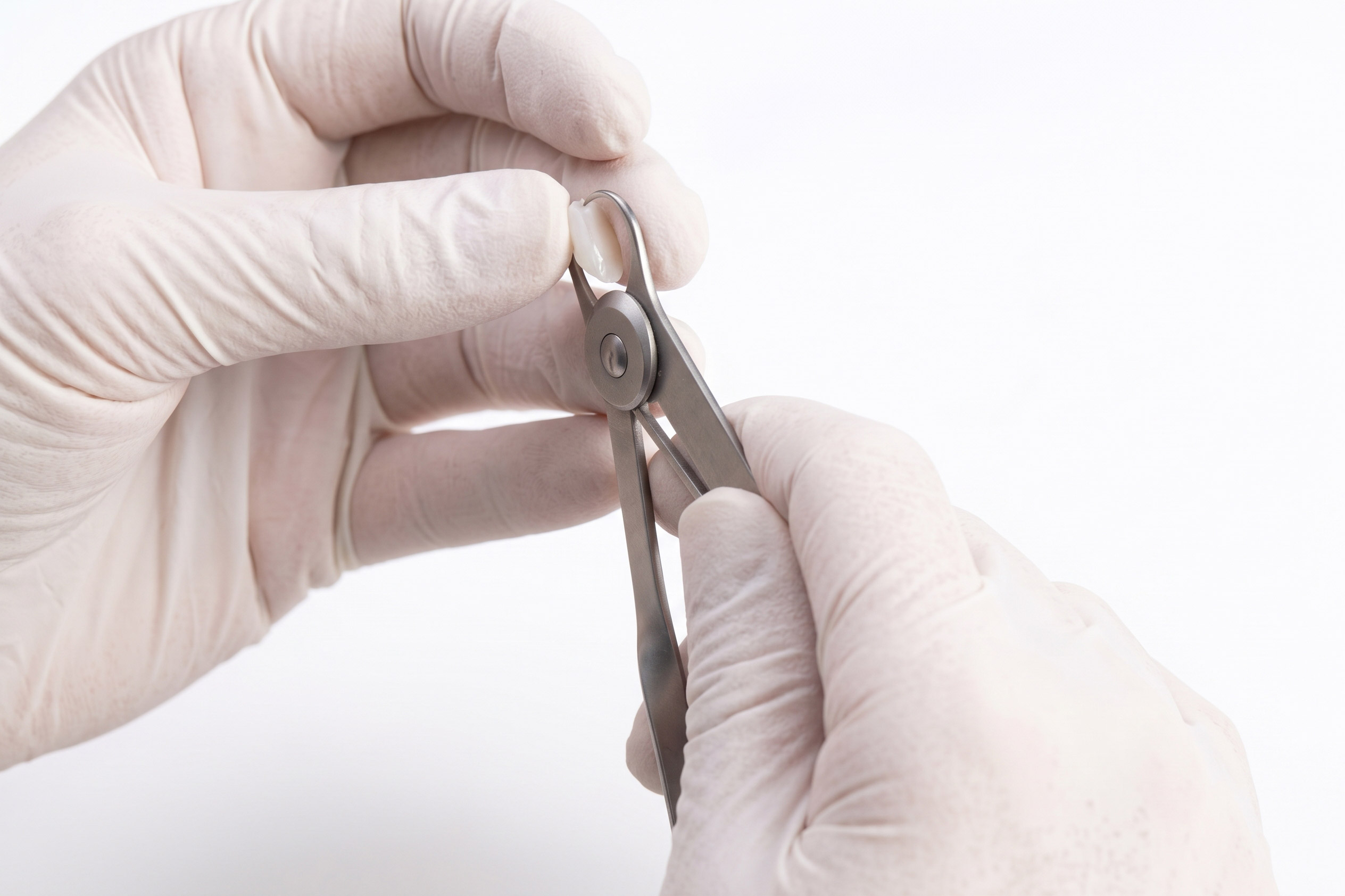
Bonding adds material to the chipped area to restore its shape; a crown covers and protects the remaining tooth. Repairing a chip with bonding may be possible without extensive tooth preparation, whereas a crown requires space to be made for the restoration. The difference is not only the material used, but also how much of the tooth is restored and prepared.
Composite Bonding to Repair the Chipped Area
Bonding uses tooth-colored composite resin to rebuild the chipped part of a tooth. If repairing that area gives you the shape you want and the remaining tooth is stable, a repair limited to the damaged area may be suitable.
- Restoration coverage: Bonding can repair small chips or improve the shape of a particular area. For a very small chip at the edge, smoothing the sharp area may sometimes be enough.
- Tooth preparation: Extensive removal of enamel is generally not required. If there is also decay, the decayed tissue still needs to be removed separately.
- Aftercare: Composite resin can discolor or chip over time and may stain more easily than ceramic restorations. If damage occurs, adding to or replacing the composite repair may be an option. If the same area keeps chipping, the dentist should assess habits such as biting hard objects with your front teeth, or why force is concentrated in that area, before simply filling it again.
A Crown to Cover and Protect a Weakened Tooth
A crown covers the remaining tooth to restore its shape and protect it. Full coverage may be needed when a tooth is weakened or severely damaged, or when the remaining structure cannot adequately support a filling.
- Restoration coverage: A crown covers the remaining tooth as a whole. If restoring only the front surface would not provide enough protection, the purpose differs from a veneer used to improve front shape and color. If a crown is recommended, ask how much tooth structure remains and why full coverage is needed.
- Tooth preparation: The tooth needs to be prepared to create space for the restoration. It is important to distinguish a small chip that can be repaired with a filling from a tooth that needs full protection despite the additional preparation.
- Aftercare: Sensitivity or damage to the restoration can occur after treatment. If a crown breaks or becomes loose, the dentist checks its damage and fit, as well as the tooth underneath, to decide whether replacement is necessary.
Does the Cause of a Chipped Front Tooth Change the Treatment?
Even chips of the same size can require different care before restoration and different follow-up, depending on the cause.
Cause of the chip | Differences in treatment and care |
|---|---|
An impact or fall | Reattaching the fragment: If the broken tooth fragment is available and suitable, it may be reattached. Other restoration options: If reattachment is not possible, bonding or another restoration is selected according to the damage and remaining tooth. Associated injuries: Damage to the pulp or root may require additional treatment or follow-up. |
A part of the tooth weakened by decay breaks | Treatment sequence: Decay is removed before choosing the restoration. Bonding or crown: Bonding may be suitable if the remaining tooth adequately supports the filling; a crown may be suitable if full protection is needed. Deep decay: The extent of decay also determines whether root canal treatment needs to be assessed. |
Grinding, clenching, or biting hard objects | Repair and habit management: The chipped area needs repair, alongside management of the habit causing it. Risk of further damage: If force continues to concentrate in the same area, changing the material alone may not prevent another break. Veneer suitability: Grinding and a deep bite affect whether veneers are appropriate. |
The cause alone does not decide the treatment: an injury does not automatically mean bonding, and decay does not automatically mean a crown. Even with the same cause, options differ according to the extent of damage, remaining tooth structure, and condition of the pulp and root.
A Chip Caused by an Impact or Fall
Even if the visible chip is small, a loose or displaced tooth may need care beyond restoring its shape. After an injury, the dentist also checks for mobility, displacement, and root damage. Being able to reattach a broken tooth fragment does not mean that associated injuries need no treatment or follow-up.
The pulp is the tissue inside the tooth that contains nerves and blood vessels. Even when an injury exposes the pulp, treatment to preserve the living pulp may be possible. Whether root canal treatment is needed depends on the pulp’s ability to recover and whether there is tissue death, infection, or other damage.
A Chip in a Tooth Weakened by Decay
A small visible chip may need a larger restoration if there is extensive decay inside. What matters is not simply whether decay is present, but how much healthy tooth remains after removing it and whether that structure can adequately support the repair.
A veneer on the front surface does not treat decay. Even if you want a veneer to improve shape and color, treating the decay and checking the remaining tooth come first.
A Chip Caused by Grinding, Clenching, or Biting Hard Objects
Covering a tooth with a crown does not stop teeth grinding. If a composite repair keeps breaking, grinding and clenching habits and bite contacts that concentrate force need to be assessed before switching to another material.
Along with a restoration suited to the tooth, discuss appropriate care, such as a protective appliance, with your dentist. If you bite hard objects with your front teeth, changing that habit also matters.
Bonding, Veneers, and Crowns: Selection Criteria at a Glance
The three approaches can be summarized as repairing the chipped area, improving the front shape and color, and protecting a weakened tooth with full coverage. The table compares restoration coverage, tooth preparation, and care after treatment on the same basis.
Comparison | Composite bonding | Veneer | Crown |
|---|---|---|---|
Restoration method | Repairs the chipped area with tooth-colored material | Covers the front surface with a ceramic restoration to improve shape and color | Covers the remaining tooth to restore its shape and protect it |
Suitable treatment situations | A small repair can achieve the desired restoration | The remaining tooth is stable, and improvement to front shape and color is also desired | Extensive damage or a weakened tooth requires full protection |
Tooth preparation | A chip repair may be possible without extensive preparation; decay removal is separate | Any enamel removed is irreversible; the actual extent depends on the plan | Preparation is needed to make space for the restoration; preservation of the remaining tooth is also assessed |
Maintenance | Discoloration, wear, and chipping | Breakage, debonding, and wear | Breakage, sensitivity, and the condition of the crown margins and remaining tooth |
Effects of the bite and grinding | Repeated chipping calls for reassessment of concentrated forces and restoration coverage | Grinding or a deep bite may limit suitability and needs assessment before treatment | Full coverage does not resolve grinding itself; bite and habit management remain necessary |
Response to restoration damage | Depending on the condition, add to or replace the composite repair | Depending on the breakage or debonding, consider repair, rebonding, or replacement | Check damage, fit, and the underlying tooth to decide whether replacement is needed |
This table offers points to compare at your consultation. The depth of damage and the condition of the pulp and root also need to be checked to narrow down your options.
What Affects Treatment Cost and Timing?
The cost of treating a chipped front tooth depends on restoration coverage, materials, and fabrication. Examples of publicly listed prices at selected Seoul dental clinics are shown below.
Treatment | Publicly listed price examples, in Korean won (KRW) | Factors affecting cost |
|---|---|---|
Composite repair of a fractured front tooth | KRW 100,000–250,000; examples of KRW 300,000–500,000 when advance design work is needed | Extent of the chip, shape to be restored, and advance design work |
Zirconia crown for a front tooth | KRW 450,000–600,000 | Fabrication method and any additional tooth reinforcement |
Ceramic or all-ceramic crown for a front tooth | KRW 700,000–1,300,000 | Ceramic material and fabrication method |
Veneer | KRW 500,000–1,300,000, excluding VAT | Material and fabrication method |
These are examples of publicly listed prices from selected Seoul dental clinics, checked on October 14, 2026. Some are based on earlier years. They are neither a Seoul-wide average nor TU Dental Clinic’s fees. Actual costs depend on each clinic’s current information and your treatment plan.
The total may include additional treatment costs. Reinforcing the remaining tooth with composite resin or placing a post inside the tooth before a crown may incur a separate charge. Checking whether diagnosis, temporary teeth, and VAT are included makes it easier to compare total costs.
Treatment timing depends on whether the tooth can be restored directly, whether a restoration needs to be fabricated, and whether preliminary care is required. A typical composite repair places material directly on the tooth and can sometimes be completed in one visit. Ceramic veneers and crowns involve recording the tooth’s shape, fabricating the restoration, and fitting it, so appointments may be spread across visits. Decay or gum treatment, or follow-up after an injury, can extend the schedule. These are general differences in the process; your actual fees and appointment schedule need to be confirmed through TU Dental Clinic’s individual treatment plan and quote.
What Should You Do Before Seeing a Dentist for a Chipped Front Tooth?
Other injuries may be present even without pain. If a front tooth chips, it is advisable to have a dentist assess the extent of damage.
- Symptoms that need prompt attention: Seek dental care promptly after an injury if the tooth is loose or displaced, you have severe pain, or there is bleeding from the broken tooth surface.
- If you find the broken tooth fragment: Place it in milk and bring it to the dentist. This helps the dentist assess whether reattachment is possible.
- You still need care if the fragment is missing: Do not delay an appointment while searching for it. Avoid biting hard foods with the injured front tooth before you are seen.
ZERONATE: Another Option to Explore When Considering Veneers
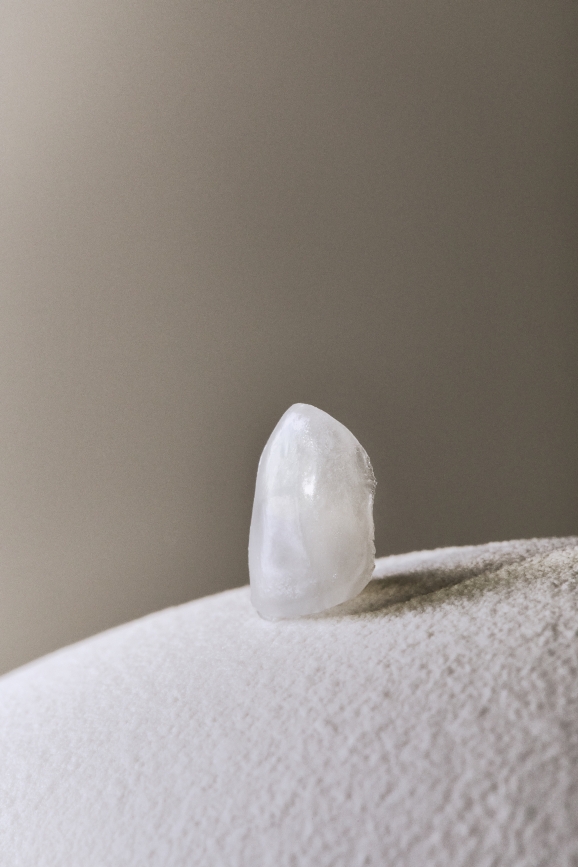
ZERONATE is TU Dental Clinic’s premium laminate veneer brand, built on its philosophy of preserving natural teeth. With near-zero thickness, it preserves natural teeth while pursuing their ideal health and beauty.
When comparing ZERONATE for a chipped front tooth, the key is how much healthy tooth structure can be preserved while achieving the front shape and color you want. At your consultation, ask for a specific explanation of the area to be improved, including the chip, and which parts of the tooth would need preparation to create the desired contour.
Suitability and the extent of tooth preparation depend on your individual dental condition and treatment plan.
Frequently Asked Questions
Can I Leave a Small Chip Untreated if It Does Not Hurt?
No pain does not necessarily mean no treatment is needed. A very small chip may only need smoothing, but associated injuries or follow-up after trauma may also need attention. Even without pain, a dental examination can establish the extent of damage. The visible size alone is not enough to judge.
Can Treating Just One Front Tooth Look Natural Next to the Others?
It is possible to restore one front tooth while matching the color and shape of the surrounding teeth. A natural appearance depends on more than a similar shade. Harmony of shape and color, as well as translucency—how light passes through—and the material’s optical properties, matter in front-tooth restorations. This is why the treated tooth’s length and contour are compared with the color and translucency of its neighbors. Treating one tooth does not automatically require treating healthy adjacent teeth. If treatment of several teeth is suggested, ask why each needs treatment and what the limitations would be if only one were restored.
Does Getting a Crown Always Mean Having Root Canal Treatment?
A crown does not automatically require root canal treatment. A crown covers and restores a tooth; root canal treatment addresses problems in the tissue inside it. The decision depends on the pulp’s condition, the damage, and the requirements for restoring the tooth.
If My Composite Repair Keeps Breaking, Should I Switch to a Veneer?
Repeated breakage does not, by itself, make a veneer more suitable. If grinding or bite contacts concentrating force are the cause, the same forces may act on a new veneer. However, if the remaining tooth or size of the restoration cannot adequately support the composite repair, another restoration may be necessary. Even when considering a veneer, management of concentrated bite forces, grinding, or clenching may still be needed.
Do the Treatment Criteria Change if an Existing Veneer or Crown Breaks?
A broken veneer or crown needs to be distinguished from a chipped natural front tooth. The response depends on whether only the restoration is damaged or the tooth beneath it is also affected. The table compares possible responses to restoration damage: a veneer may be repaired, rebonded, or replaced depending on its condition; a crown is checked for damage and fit, together with the remaining tooth, to decide whether replacement is needed. The criteria for a chipped natural tooth alone cannot determine how an existing restoration should be managed.
Questions to Ask Before Your Consultation
☐ How extensive is the chip, and what is the condition of the pulp and root?
☐ Can the tooth be restored with bonding? If another method is needed, why?
☐ How does the amount of additional tooth preparation differ between methods?
☐ If I grind my teeth or have a bite problem, what care is needed alongside treatment?
☐ What treatment stages are needed, and which items are included in the fee?
☐ When will follow-up after the injury be needed, and what will be checked?
Related Reading
For more on what ZERONATE is and when it may be suitable, see:
TU Dental Clinic: Treatment and Consultation
At TU Dental Clinic, we focus on preserving natural teeth while providing aesthetic dental treatment, orthodontics, dental implants, and comprehensive dental care. We assess your teeth, gums, and bite to guide an individual treatment plan.
Provider: TU Dental Clinic
Main services: ZERONATE, aesthetic dental treatment, orthodontics, dental implants, and comprehensive dental care
Address: Seocho W Tower, 54 Seocho-daero 77-gil, Seocho-gu, Seoul, South Korea — 12F: TU Dental Clinic; 13F: TU MARTH edition
Medical Information and Advertising Notice
This article is informational medical advertising provided by a healthcare institution to explain general information about consultations, examinations, treatments, and procedures. Suitability, results, recovery, and adverse effects may vary depending on individual health, the treatment area, and clinical circumstances. This article does not replace a personal diagnosis or treatment plan. Before deciding on a procedure, please consult a qualified clinician to confirm an appropriate approach and plan for your needs.