

TU Dental
Oral Design
About TU Dental
Patient Reviews
Understanding your care. The beginning of trust.
TU Dental created this glossary to help you understand treatment and make informed choices. We explain unfamiliar terms and treatment differences in plain language so you can prepare questions and have a meaningful conversation with your dentist.
All terms 687
An in-house dental laboratory is a space or team within a dental clinic that designs, fabricates, and modifies restorations. It does not necessarily mean that every production step is completed within the clinic.
Denture adhesive helps improve retention between a denture and the oral tissues. It does not repair an ill-fitting denture or treat gum disease.
The denture base is the bottom part of the denture that supports artificial teeth and touches oral tissues such as gums. It transfers chewing forces to the supporting tissues and maintains the shape of the denture.
An inlay is a partial restoration that is manufactured separately to fit the missing part of the tooth and then fitted and fixed. Typically, the defect is repaired without covering the cusp of the chewing surface.
Proximal caries is a cavity that occurs on the surfaces of adjacent teeth facing each other. Since this is an area that is difficult to see with the naked eye, the condition between the teeth and necessary radiographs are also examined.
Temporary filling is a treatment that temporarily closes the space created in the tooth during treatment until the next treatment. Used to reduce contamination between root canal treatments or to protect teeth before final restoration.
Regenerative endodontic treatment is an approach used mainly in permanent teeth with necrotic pulp and incompletely developed root tips to manage infection and support root development. It does not create a new tooth to replace a missing one.
Endodontic retreatment involves removing the existing filling material and treating the root canals again when infection or a lesion persists or recurs in a previously root canal-treated tooth. The cause and conditions affecting whether the tooth can be preserved are assessed first.
Full mouth reconstruction is a comprehensive treatment plan for restoring widespread tooth damage or tooth loss. It considers the health, chewing function, and appearance of multiple teeth in relation to the whole mouth.
A resin-bonded bridge is a fixed prosthesis in which an artificial tooth replaces a missing tooth and is supported by wings bonded to adjacent teeth. Its structure differs from a conventional bridge that covers much of the supporting teeth.
Treatment of dentin hypersensitivity identifies why teeth are sensitive to stimuli such as cold or heat and aims to reduce the symptoms. Exposed dentin must first be distinguished from decay, cracks, and restoration problems.
Zirconia is a dental ceramic material based on zirconium oxide. It is used for crowns and bridges, among other restorations, and its strength and translucency vary with its composition and fabrication method.
A zirconia crown is a prosthesis made from zirconia ceramic that covers the crown portion of a tooth. It is used to protect a damaged tooth and restore its chewing shape.
A direct restoration is made by placing and shaping filling material directly in a tooth inside the mouth. By contrast, an indirect restoration is made separately and then attached to the tooth.
Direct pulp capping attempts to preserve the pulp by placing a biocompatible material over exposed living pulp and sealing it. Its purpose differs from root canal treatment that removes all of the pulp.
Cervical abrasion refers to worn, hollowed-out tooth structure near the gumline. Clinically, it is discussed alongside non-carious cervical lesions, with factors such as friction and acid exposure distinguished.
Root perforation is an abnormal communication between the root canal space and the tissues outside the root. It may be related to damage during treatment or tooth resorption, so its location and cause are assessed.
An apical abscess is a collection of pus caused by infection around the tip of a tooth root. It is often associated with pulp necrosis and root canal infection, and may cause pain, swelling, or a drainage tract.
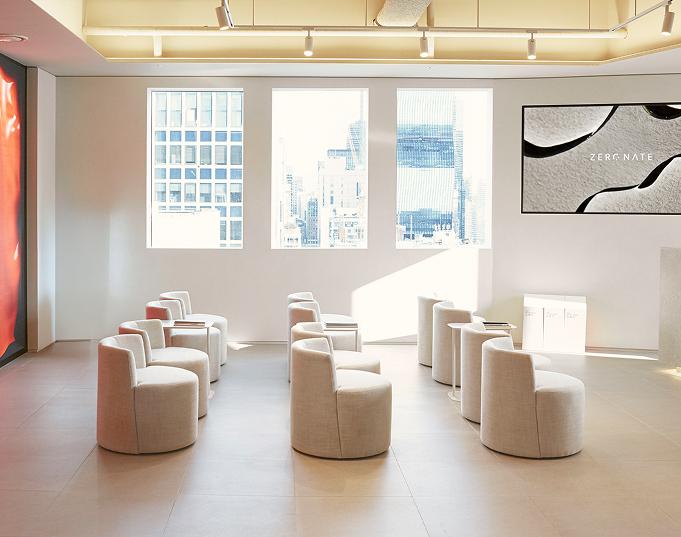
ZERONATE is TU Dental’s premium laminate veneer brand, built on a philosophy of preserving natural teeth. Its vision is to combine near-zero thickness with the health and beauty of ideal natural teeth, while preserving as much of your own tooth structure as possible.
TU DENTAL CLINIC
An informed choice starts with understanding your care. Talk with TU Dental about whether ZERONATE suits your teeth and how natural tooth structure can be preserved. We help you ask questions and understand your options.
Chat on WhatsAppLeave your email address to discuss treatment options and plan your visit.
54 Seocho-daero 77-gil, Seocho-gu, Seoul (Seocho W Tower)
12F TU Dental Clinic · 13F TU MARTH edition