

TU Dental
Oral Design
About TU Dental
Patient Reviews
Understanding your care. The beginning of trust.
TU Dental created this glossary to help you understand treatment and make informed choices. We explain unfamiliar terms and treatment differences in plain language so you can prepare questions and have a meaningful conversation with your dentist.
All terms 687
Orthodontic simulation moves teeth on models or in digital records according to a plan to examine predicted alignment and bite. A digital setup can help visually compare and explain treatment options.
Orthodontic records are used to assess tooth alignment, the bite, relationships between the jaws and face, and oral health, and to plan treatment. They may include a medical and dental history, examination findings, facial and intraoral photographs, dental models or scans, and any necessary X-rays.
Oral habits is a term used for behaviours such as digit sucking or a persistently unusual tongue posture that exert repeated forces on teeth and surrounding tissues. The behaviour alone does not establish a problem: assessment considers age, development, frequency, duration, intensity and its actual effects.
A transpalatal arch, or TPA, is a wire orthodontic appliance that crosses the palate and connects the upper molars on either side. It helps maintain molar position or arch width and can be used to adjust tooth position as part of a treatment plan.
Accelerated orthodontics describes treatment or adjunctive methods intended to shorten orthodontic treatment; it does not identify a single appliance. Limiting treatment to a few teeth needs to be distinguished from adding a procedure or other method intended to speed up tooth movement.
Rapid palatal expansion uses an expansion appliance to widen a narrow upper jaw. It is also called rapid maxillary expansion, or RPE/RME. The term does not mean rapidly aligning all the teeth.
A functional appliance uses jaw posture and oral function to encourage changes in tooth and bite relationships. These appliances are used, for example, to address front-to-back relationships during growth, and may be fixed or removable.
A Nance appliance connects to the upper molars through wires and uses an acrylic button that rests against the front part of the palate. It is used in plans intended to resist forward molar movement and maintain space in the dental arch.
Dental and lip protrusion describes a mouth profile in which the lips and front-tooth region appear prominent. Tooth inclination, the supporting alveolar bone and jaws, and the relationships of the lips and chin can all contribute. Appearance alone does not establish the cause or treatment.
A lip bumper connects a wire structure on the lip side of the teeth to the molars to help manage dental arch space and tooth positions. It is used, for example, in growing patients when seeking space in the lower arch. The actual design and treatment goal need to be clarified.
Metal orthodontic brackets are small metal components bonded to tooth surfaces and connected to an archwire in fixed orthodontic treatment. Brackets, wires and other components are planned to work together. The material name alone does not define the entire treatment method.
A small or receding chin describes an appearance in which the lower jaw or chin looks small or set back. It does not mean the chin is absent. The position or size of the whole lower jaw needs to be distinguished from the shape of the chin itself.
A bionator is a removable functional orthodontic appliance made with acrylic and wire components and worn in the mouth. It is used in plans addressing jaw posture and tooth and bite relationships during growth, and is made and adjusted to suit the diagnosis and goals.
An anterior crossbite means the upper front teeth bite behind the lower front teeth. It can occur alongside a prominent lower jaw, but tooth inclination or a shift of the jaw during closure can also cause it. The two descriptions are therefore not the same diagnosis.
Limited orthodontic treatment moves teeth to address selected teeth or specific, limited concerns. It narrows the treatment goals; it does not mean that a full assessment or discussion of risks can be omitted.
Non-extraction orthodontics aims to improve alignment and the bite without extracting teeth to create space as part of the orthodontic plan. It is not the name of a particular appliance. Its feasible scope depends on assessed space and the conditions of the teeth, jaws and supporting tissues.
Lingual orthodontics moves teeth using fixed appliances, including brackets, attached to their inner, tongue-facing surfaces. It is an option that makes the appliances less visible from the front, while the goals and treatment scope are determined by a full assessment.
A lingual arch is an orthodontic appliance with a wire running along the tongue side of the teeth and connected to molars or other supporting teeth. A design used to maintain space in the lower arch is common; different designs and adjustments may serve other goals, such as regaining space.
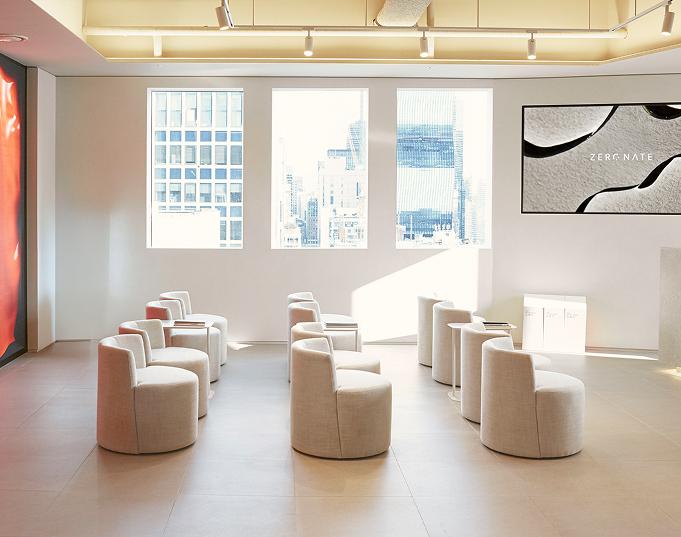
ZERONATE is TU Dental’s premium laminate veneer brand, built on a philosophy of preserving natural teeth. Its vision is to combine near-zero thickness with the health and beauty of ideal natural teeth, while preserving as much of your own tooth structure as possible.
TU DENTAL CLINIC
An informed choice starts with understanding your care. Talk with TU Dental about whether ZERONATE suits your teeth and how natural tooth structure can be preserved. We help you ask questions and understand your options.
Chat on WhatsAppLeave your email address to discuss treatment options and plan your visit.
54 Seocho-daero 77-gil, Seocho-gu, Seoul (Seocho W Tower)
12F TU Dental Clinic · 13F TU MARTH edition