No-Prep Veneers: What Makes Them Suitable, and What Should You Check About Your Teeth?
If you are considering no-prep veneers because you want to minimize tooth reshaping, your biggest question is probably, “Could they work for my teeth?” Even if you have gaps between your front teeth or are unhappy with their shape, photos alone cannot answer that question.
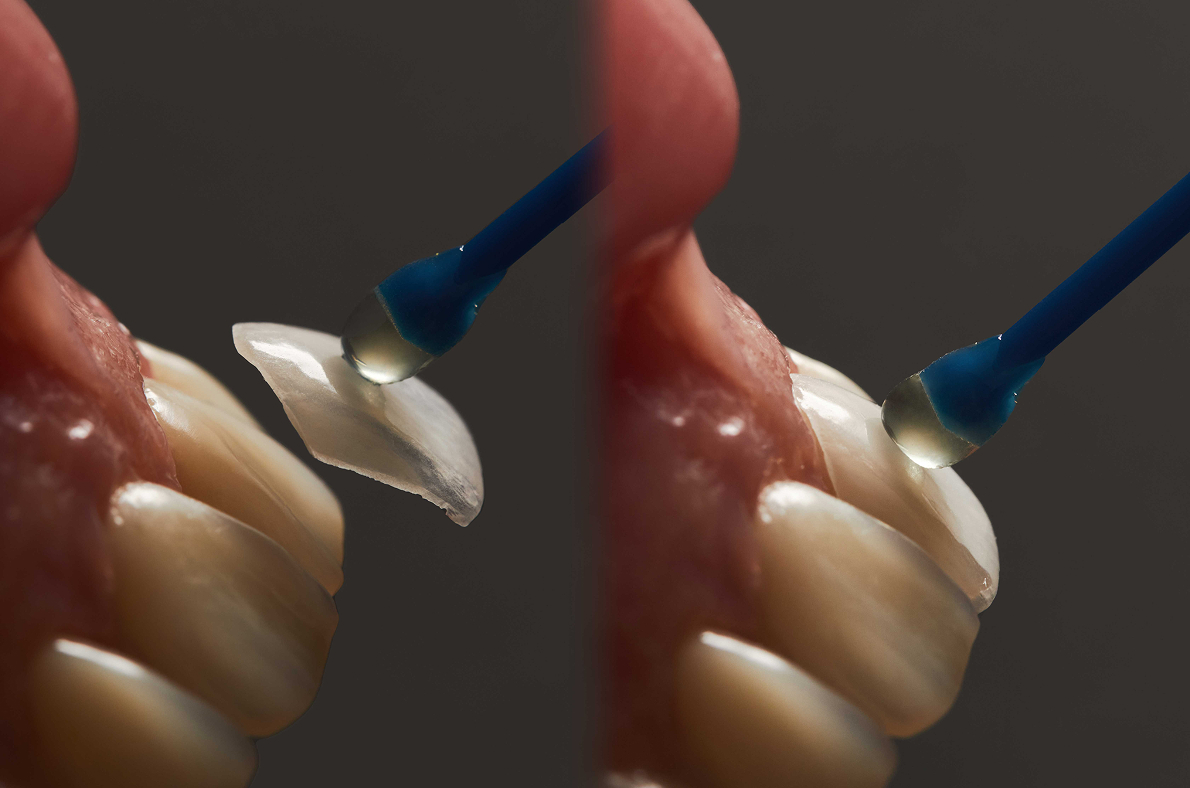
Veneers are thin layers of material bonded to the front surfaces of teeth to improve their shape and color. “No-prep” describes a treatment plan that does not involve reshaping the teeth.
Whether no-prep treatment can be considered depends on whether there is room to add material and create the shape you want, and whether your teeth, gums, and bite are compatible with that plan. Limited space or a problem that needs treatment first may make a no-prep approach difficult, but that does not necessarily rule out veneers altogether.
Below, we explain the conditions that may allow no-prep treatment and the reasons it can be difficult. Before your consultation, focus on the changes you want, your concerns, and the questions you would like to ask, rather than deciding for yourself whether you qualify.
When Can No-Prep Veneers Be Considered?
Three factors need to be considered together.
- Room to add material: Is there enough space to create the intended shape without reshaping the existing teeth?
- Whether an additive approach fits your goals: Are you looking to fill small gaps or adjust differences in tooth size or edges, or do you want a substantial change in color and shape?
- Teeth, gums, and bite: The dentist checks the teeth that would receive restorations and how your upper and lower teeth would meet afterward.
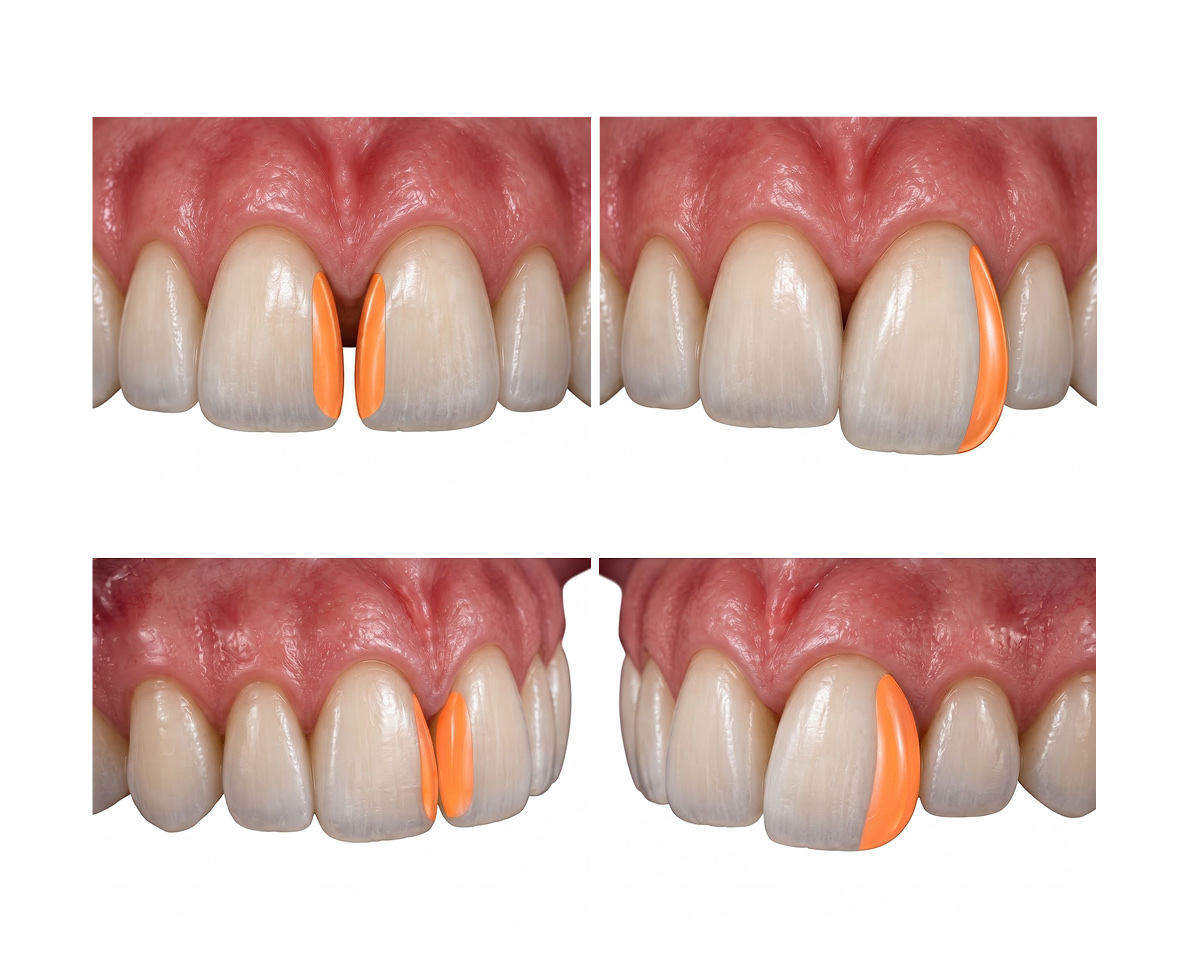
A no-prep approach may be considered when adding restorations without reshaping the existing teeth can achieve the intended shape and bite. Small gaps between front teeth or differences in tooth size and edges may be a starting point. However, having a gap does not by itself make you a candidate. The dentist also needs to assess how much material would create a natural shape, whether the teeth would look overly prominent when you smile or close your mouth, and whether they would interfere with the opposing teeth.
For example, even if there is a visible gap between your two front teeth, adding material to only one side may make their widths look uneven. Teeth that seem small may actually look that way because of their position or the gumline. What you see is the starting point for a consultation; the final shape achievable without preparation still needs to be designed. Ask which teeth would receive added material, what would be added, and how the result would fit with the neighboring teeth and your bite.
Even if your teeth look fairly straight, the plan may change if you want a major color change or their current position does not fit the intended final shape. Veneer thickness and the amount of tooth reduction are not the same measurement. Preserving tooth structure matters, but the term “no-prep” alone does not tell you what will actually be done to each tooth. Planning requires an examination of tooth position, the intended shape and shade, the relationship to the lips, and the bite. A clinical paper on no-prep and minimal-prep planning also emphasizes these considerations.
If you want to minimize tooth reshaping, ZERONATE planning starts with assessing which teeth can be left unchanged and where adjustments may be needed to achieve your desired shape. ZERONATE is TU Dental Clinic’s premium laminate veneer brand, built on its philosophy of preserving natural teeth. With thickness approaching zero, it seeks to preserve natural tooth structure while bringing together the health and beauty of ideal natural teeth. If the intended shape can be achieved without preparation, that approach is considered; if not, selective tooth contouring where needed is also assessed. Which teeth can be left unchanged is determined after an in-person examination.
What Can Make a No-Prep Approach Difficult?
The following clues can help explain why no-prep treatment may have limitations. Having one of them does not automatically mean it is impossible.
- Front teeth that protrude or overlap: Adding material to the surface may make them more prominent, so the available space and intended shape need to be assessed.
- A substantial change in color or shape: The dentist needs to check whether a thin addition alone can achieve the changes you want.
- Tooth decay, gum problems, sensitivity, or pain: The current condition of your teeth and gums may need attention before cosmetic planning.
- An uncomfortable bite, grinding, or clenching: The forces that would act on the restorations after treatment need to be assessed.
The first consideration is how the available room for added material compares with the changes you want. If front teeth protrude or overlap, simply adding restorations to their surfaces may make them more prominent than intended or harder to harmonize with neighboring teeth. If you want to mask a dark tooth color substantially, the dentist also needs to assess whether a very thin layer can achieve the target shade. A literature review comparing no-prep and conventional veneers likewise highlights the importance of case selection in these situations.
These clues do not all lead to the same conclusion. If position, space, or shade is the issue, you may adjust the amount of change sought with no-prep treatment or compare other designs. If tooth decay or gum health is the concern, the current condition can be assessed first and the cosmetic plan reconsidered after any necessary treatment. Bite problems and grinding can affect the suitability of veneers themselves, as well as no-prep eligibility and the aftercare plan. A photo or a single habit does not determine the treatment sequence.
Grinding does not rule out no-prep treatment for everyone. However, a study following patients with grinding habits who received veneers found differences in maintenance outcomes depending on whether a protective appliance was used. The participants had feldspathic veneers; the study did not determine eligibility for no-prep treatment itself. Grinding is therefore a reason to discuss your bite and aftercare at a consultation, rather than a basis for ruling yourself out at home.
How to Organize Your Concerns Before a Consultation
The purpose of checking your teeth at home is to gather information you can explain at your consultation. It is not a diagnosis. Note what you see in the mirror or in photos, the treatment history you know, and any problems you notice in daily life. Keep your own observations separate from conditions a dentist has already diagnosed.
What to look at | Why it matters at your consultation | What to note at home |
|---|---|---|
My front teeth have gaps or look small, and I would like to add a little to their shape | This is a starting point for designing the intended shape by adding material. A visible gap alone does not establish suitability for no-prep treatment. | Which teeth you would like to look larger, by how much, and which shapes you want to avoid. |
My front teeth protrude or overlap | Added material may make them more prominent or make the intended shape difficult to achieve. | Which teeth concern you, and whether the front or side view bothers you most. |
I want a substantial color change, or I have existing restorations | The design depends on your intended shade and the current condition of your teeth and restorations. | How much color change you want, and what you remember about the location and date of existing restorations. |
I have been told I have tooth decay or gum problems, or I have sensitivity or pain | Your current oral health may need assessment before cosmetic planning. | Where you notice symptoms, when they started, and any previous diagnoses or treatment. |
I grind or clench my teeth, or my bite feels uncomfortable | The forces on the restorations and the aftercare plan need to be considered together. | Habits you notice yourself or others have mentioned, and when and where you feel discomfort. |
Do not treat this table as a checklist that rules out no-prep treatment. A visible gap may still call for a different plan because of your bite, while slight overlap may leave different options depending on which teeth would be changed and how. Photos can help explain the areas that concern you, but they do not establish gum health, the bite, or the extent of tooth contouring actually needed.
Before your consultation, write down one or two changes you want most, changes you do not want, past treatments and diagnoses, and habits such as grinding. Separating what you see, what you feel, and what has been diagnosed makes your explanation clearer. Bring existing photos or dental records if you have them, but there is no need to delay a consultation while searching for records. Your current condition will guide which examinations are recommended.
For example, “My right front tooth looks more prominent” is an observation, “It feels as though that tooth hits something when I chew” is a symptom, and “I was previously advised to have gum treatment” is a past clinical recommendation. You do not need to combine all three into a conclusion that no-prep treatment is impossible. Recording them separately helps the dental team explain what needs to be checked first.
If No-Prep Treatment Is Difficult, What Are the Next Options?
If you are told that a no-prep approach would be difficult, consider the next options according to the reason. ZERONATE planning also requires distinguishing, tooth by tooth, what can be preserved and which areas may need adjustment.
- When only the no-prep approach is difficult—compare your goals and the extent of contouring: If limited space or your desired color or shape is the obstacle, compare what no-prep treatment could achieve with adjusted goals against a plan involving selective contouring only on teeth that need it. Ask, “Which areas would you reshape, and why? Which of my desired changes would be difficult without reshaping?”
- When teeth or gums need treatment first—reassess afterward: Tooth decay or gum problems can be evaluated and treated as needed before the cosmetic plan is reconsidered. Ask, “What needs treatment first, and what condition will you look for when reassessing?” Having preliminary treatment does not automatically make no-prep veneers possible.
- When veneers themselves may be unsuitable—discuss other treatments: Tooth position or the bite may make another treatment more appropriate. If orthodontics is being considered, ask whether the aim is to change alignment and function or to reduce the extent of veneer treatment afterward.
If clinics give different opinions or you are offered lower-cost veneers, compare more than the price or the conclusion that “no-prep is possible.” For the same teeth and the same goals, check how each clinic explains the meaning of no-prep, the treatment required for each tooth, any problems needing attention first, and the limits of the intended shape. This makes the differences between your options clearer.
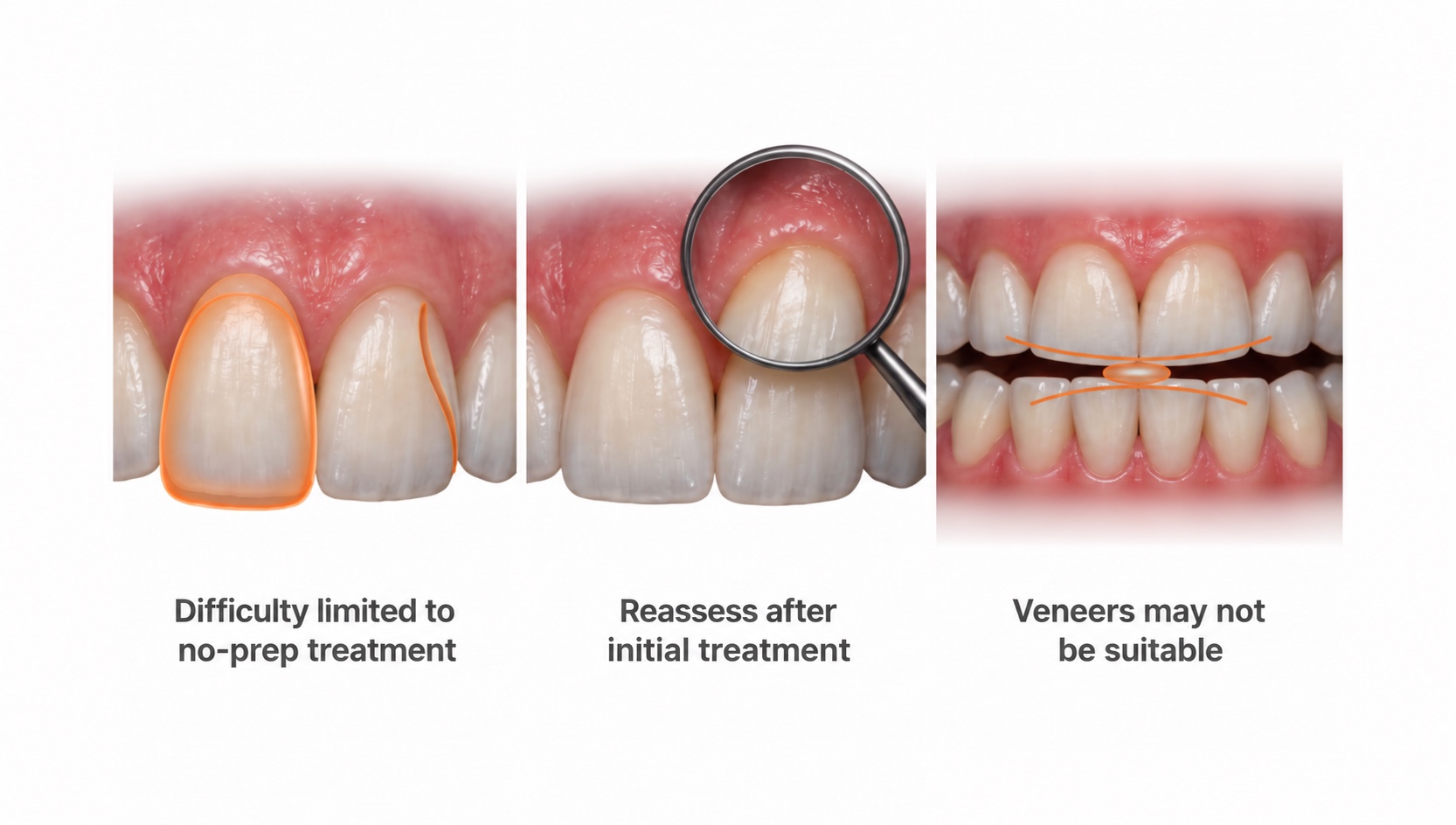
| Visual Indicator | Description |
|---|---|
| Orange outline on single tooth | Difficulty limited to no-prep treatment |
| Magnifying glass over gum line | Reassess after initial treatment |
| Orange lines indicating bite alignment | Veneers may not be suitable |
What Should You Ask at a ZERONATE Consultation?
When applying these considerations to your own teeth, ask which teeth are being considered for no-prep treatment, why particular areas would need selective contouring, and whether another treatment should come first. Prioritizing natural tooth preservation does not mean that every tooth will be treated with no preparation at all.
Instead of asking only, “Will you definitely leave my teeth untouched?”, ask, “What can be preserved in my teeth? Which changes I want would be difficult without reshaping?” These questions make differences between plans clearer. Before deciding, understand the intended shape and the treatment required for each tooth, as well as whether the approach is no-prep. You can also explore ZERONATE’s treatment philosophy and scope.
Frequently Asked Questions
If I do not have previous dental records, do I need an examination before my consultation?
Having records can help, but the information in this article does not establish that advance examinations are required. Note the treatment history you know and your current concerns, share them at your consultation, and let the dental team advise you on any examinations needed during your care.
What if another clinic said no-prep treatment was possible, but the assessments differ?
First check whether both assessments assume the same goals and the same teeth to be treated. Record whether each clinic’s “no-prep” plan really involves no tooth reshaping, and which limitations it has considered for each tooth. This makes it easier to compare why the conclusions differ.
If no-prep veneers are possible, can I achieve all the colors and shapes I want?
Whether restorations can be bonded without preparation and whether no-prep treatment alone can achieve your desired result are separate questions. Your existing tooth color and position, and the intended shade and shape, may require adjustments to the plan. Ask for the two questions to be explained separately.
If only one tooth cannot be treated without preparation, do all my teeth need reshaping?
No. Tooth positions and the desired changes can differ within the same mouth, so planning can be individualized for each tooth. Ask which teeth may be treated without preparation, which may need selective contouring or another approach, and why.
Questions to Check Before Your Consultation
☐ Which parts of my teeth could be considered for no-prep treatment, and which would be difficult? Why?
☐ What problems with my teeth, gums, or bite need to be checked or treated first?
☐ How much of my desired color and shape can be achieved without reshaping my teeth?
☐ If selective tooth contouring is needed, which areas of which teeth need it, and why? How would the plan differ without contouring?
☐ If another treatment comes first, what will you check before reassessing? Why might no-prep treatment still be difficult afterward?
☐ If you do not recommend veneers themselves, what are the reasons, and what other approaches could be considered?
TU Dental Clinic: Treatment and Consultation
At TU Dental Clinic, we focus on preserving natural teeth while providing aesthetic dental treatment, orthodontics, dental implants, and comprehensive dental care. We assess your teeth, gums, and bite to guide an individual treatment plan.
Provider: TU Dental Clinic
Main services: ZERONATE, aesthetic dental treatment, orthodontics, dental implants, and comprehensive dental care
Address: Seocho W Tower, 54 Seocho-daero 77-gil, Seocho-gu, Seoul, South Korea — 12F: TU Dental Clinic; 13F: TU MARTH edition
Medical Information and Advertising Notice
This article is informational medical advertising provided by a healthcare institution to explain general information about consultations, examinations, treatments, and procedures. Suitability, results, recovery, and adverse effects may vary depending on individual health, the treatment area, and clinical circumstances. This article does not replace a personal diagnosis or treatment plan. Before deciding on a procedure, please consult a qualified clinician to confirm an appropriate approach and plan for your needs.