How to Choose a Dental Clinic for No-Prep Veneers in Seoul’s Gangnam Area
You want to change the color or shape of your front teeth, but you are hesitant about removing healthy tooth structure. When you research no-prep veneers in Seoul’s Gangnam area, many clinics describe thin ceramics, natural-looking results, and a focus on preserving teeth. How do you compare those claims?
Compare which teeth and surfaces would need preparation, when you can check the proposed width, length, thickness, and shade, how your preferences reach the dental lab, the appointment schedule, and the costs and aftercare terms. Closing a small gap and changing both the color and projection of your front teeth may require different treatment. Explain the same goals at each consultation so you can compare the proposed treatment fairly.
What does the dentist at TU Dental check during the examination?
For ZERONATE treatment, TU Dental assesses tooth shape, alignment, and shade alongside gum health, bite, and previous dental work. This helps the dentist plan the appearance of your front teeth together with their function and the tooth structure to preserve.
Your first visit includes panoramic X-rays and oral and dental photographs, followed by an initial examination by the dentist responsible for your care. When comparing dentists, consider their areas of practice and experience in aesthetic dentistry, as well as how they explain the proposed treatment using your examination findings.
Ask “What treatment do my teeth need, and why?” Going through your dental photographs with the dentist can help you understand which areas need treatment to achieve the look you want and which can stay as they are.
Why does one dentist recommend no-prep veneers while another says my teeth need reshaping?
The dentists may be proposing different final shapes or shades, or assessing the space needed to achieve them differently. Veneers add a thin restoration to the front of a tooth, so the current tooth position and size must be considered alongside the intended design.
Small teeth, teeth positioned slightly inward, or spaces between teeth may leave room to add material without preparation. Adding ceramic to a tooth that already projects forward can make it look more prominent. In that situation, the dentist may compare selective preparation with orthodontic treatment, depending on the position and thickness you want to achieve. A darker underlying tooth color can also affect the thickness needed to mask it.
If two recommendations differ, first ask whether both plans aim for the same final shape and shade. One may preserve the existing tooth position and make a small change in shape; the other may aim to reduce prominence and make a larger color change.
For ZERONATE, TU Dental considers tooth position, shape, bite, and the intended design when deciding between no preparation, minimal preparation, and selective reshaping. Along with “How much enamel would you remove?”, ask “Which tooth surfaces—the front, sides, or edge—would you reshape, and what change would that achieve?” A tooth-by-tooth explanation helps distinguish teeth that can stay unprepared from those that need reshaping. Removing enamel is irreversible, so understand the location and reason before agreeing to treatment.
How can I check whether my front teeth will look too bulky or too white?
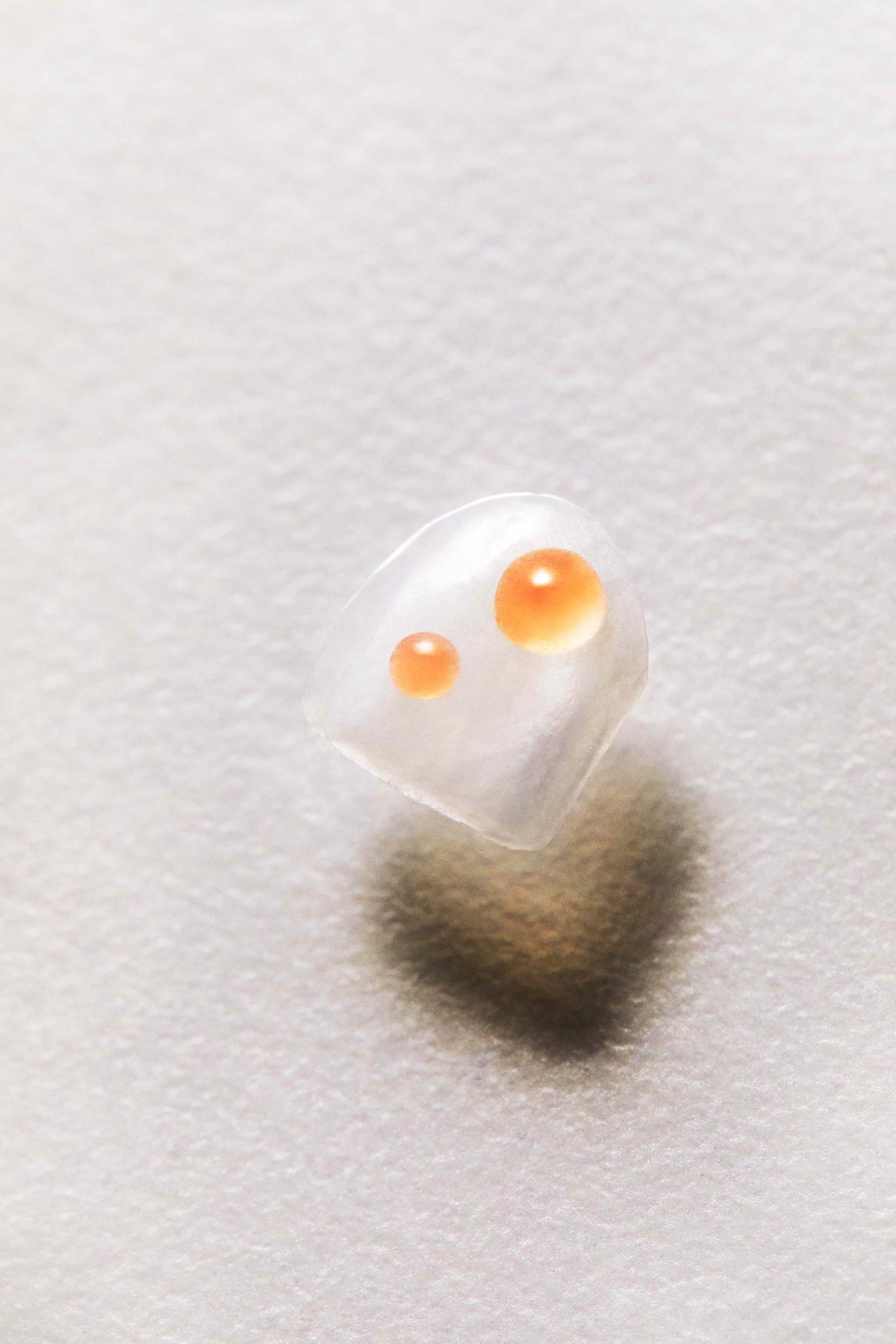
To assess whether veneers will look bulky or too white, consider their width, length, thickness, and shade relative to neighboring teeth. TU Dental uses the ZERONATE smile preview to check the planned size, shape, and overall volume in relation to your face and lips.
The smile preview is the stage at which you try the planned design in your mouth. Temporary ZERONATE veneers—called “템포 제로네이트” by TU—are the restorations used for this temporary stage. They are placed after any necessary tooth preparation and can be worn while the final veneers are being made. In no-prep cases or those requiring very little preparation, they may be removed after the design has been checked.
Ask “How will the size and shape of my front teeth change? Which dimensions—width, length, or thickness—will you adjust?” and “How will you match the shade to my untreated teeth?” Temporary restorations and final ceramic veneers use different materials, so their shade and translucency can differ. The final shade and fit are checked when the finished ZERONATE veneers are tried in on your teeth.
Stage | What is checked | What you can discuss |
|---|---|---|
Smile preview with temporary ZERONATE veneers | Planned width, length, and thickness, harmony with the face, and any preparation needed | Size, shape, the look you want, and how much you want to change |
Try-in after fabrication | The finished restorations are placed against the teeth to check shade, fit, and bite | Actual color and shape, how your smile looks, and any discomfort when biting |
Follow-up after bonding | Bite, gums, bonding, and comfort during use | A tooth that feels as though it contacts first, or discomfort that persists |
After final bonding, excess cement is removed and the bite is checked again and adjusted as needed. TU Dental checks the design with temporary ZERONATE veneers before fabrication, then checks shade, fit, and bite with the finished ZERONATE veneers before final bonding. These are two separate opportunities to review the proposed result.
How do my design preferences reach the dental lab?
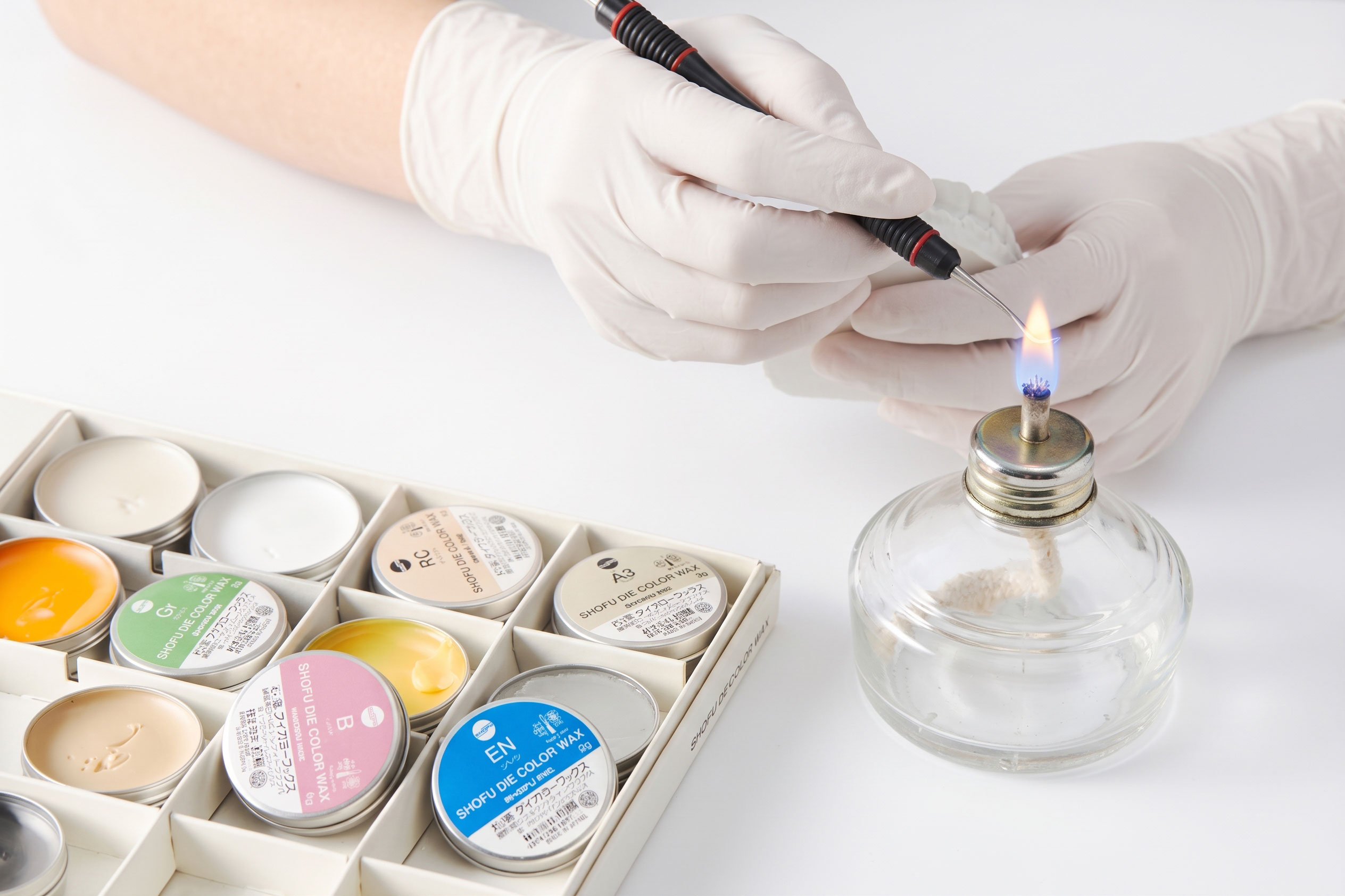
ZERONATE lab at TU Dental fabricates the restorations using the final oral scan and information on shape, shade, and proportions. The agreed design and target shade are included in the information used for fabrication.
During the smile preview, the design and any necessary preparation are established, and a shade guide is compared with your natural teeth to select the target shade. A further digital scan is taken after any necessary tooth preparation and shade selection are complete.
For example, if you want to keep the length of your front teeth and match their neighbors’ shade, ask to see how those preferences appear in the design. Also ask whom you would speak to, and what adjustment process would apply, if you wanted to change the color or shape after fabrication. This gives you a clear way to communicate during treatment.
ZERONATE’s origins in preserving natural teeth
ZERONATE is TU Dental Clinic’s premium laminate veneer brand, built on our philosophy of preserving natural teeth. With near-zero thickness, it preserves natural teeth while pursuing their ideal health and beauty.
ZERONATE’s origins go back to 2018, when a patient considering veneers was concerned about having healthy tooth structure removed. That experience prompted a search for ways to preserve as much natural tooth structure as possible. After TU Dental opened in 2019, its experience with no-prep, minimal-prep, and selective preparation approaches developed into the ZERONATE brand.
This philosophy is applied by assessing the teeth, gums, bite, and intended design together, then identifying which teeth can remain unprepared and which areas need adjustment. At your consultation, distinguish the features you want to keep from those you want to change so you can discuss both the design and the tooth structure to be preserved.
What is the price per tooth, and how should I compare quotes and warranties?
TU Dental’s published ZERONATE prices range from KRW 890,000 to KRW 2,000,000 per tooth, depending on the line, excluding VAT. The listed price points are KRW 890,000, 1,290,000, 1,690,000, and 2,000,000. The treating dentist, fabrication professional, and aftercare package vary by line, so check which line and services your quote includes.
For published prices and a breakdown of what affects the quote, read Veneer Costs in Korea in 2026: Why Prices Vary and 7 Things to Check in Your Quote.
Compare quotes for the same number of teeth and treatment scope. Changing only the shape of two teeth with veneers will have a different total from changing the color of several front teeth. Check whether treatment for decay or gum disease, and removal of existing restorations, are included.
Compare the warranty’s coverage as well as its duration. Ask under what conditions a detached or damaged restoration can be rebonded, repaired, or remade, and when you would pay an additional fee. Find out whether regular check-ups or other conditions apply to coverage.
Item | What to compare on the same basis |
|---|---|
Treatment scope | Number of teeth and the intended color and shape changes |
Additional treatment | Whether decay treatment, gum treatment, and removal of existing restorations are included |
Fabrication and bonding | Coverage of design review, fabrication, and final bonding |
Aftercare | Check-ups and the conditions and charges for rebonding, repair, or replacement |
Your individual final quote is determined after examination and treatment planning. An itemized quote makes the difference between the advertised price per tooth and your total easier to understand. If you are traveling to Korea, budget separately for flights, accommodation, and any return visits.
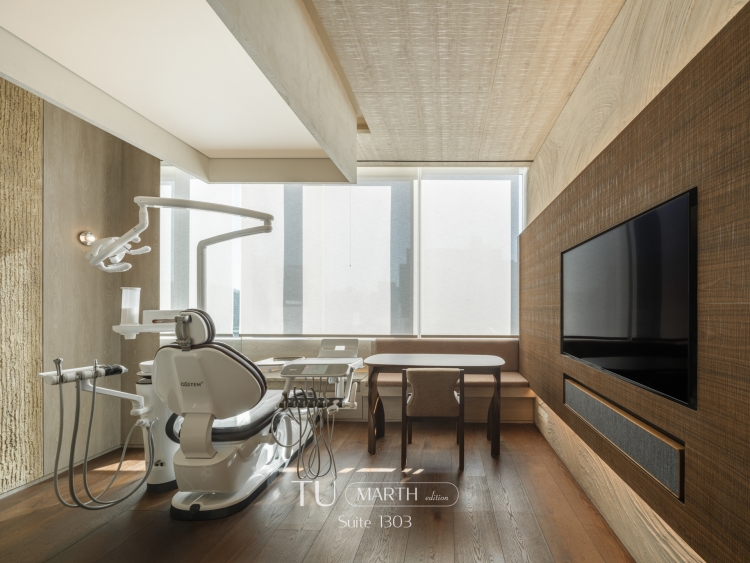
TU MARTH edition
Suite 1303
Can treatment fit into one day if I cannot make repeated visits?
TU Dental offers a ONE DAY plan designed to fit the core stages—diagnosis, design, treatment, and placement—into a one-day schedule. It is an option to consider if you have a busy schedule or are traveling from far away.
Eligibility and the work that can be completed that day are determined by the condition of your teeth, gums, and bite, the number of teeth involved, any treatment needed first, and clinic and lab availability. Decay or gum disease needs treatment before veneers are placed. Ask three separate questions when comparing schedules:
- Do I need any treatment before same-day placement could be considered?
- Are both the clinical and lab teams available on my preferred date? What would be completed, and how much time should I allow?
- When would I return to check my bite, gums, and bonding after placement?
Separate the treatment-day schedule from follow-up appointments so you can plan for both.
What should I arrange before traveling to Seoul, and after returning home?
TU Dental provides consultations in English, Chinese, and Japanese. Before booking, share your arrival and departure dates, available appointment days, dental photos, and previous treatment history. Discuss the full schedule, including the check after placement. Use the consultation and design review to explain the length and shade you want, even if you have already mentioned them when booking.
When planning your departure, leave room for the clinic to check your bite and any discomfort after bonding. Before leaving Korea, obtain your treatment details, home-care instructions, recommended follow-up timing, and the contact method for further questions.
After returning home, you can contact TU Dental with photos and a description of symptoms. Persistent pain, a fractured restoration, swelling, or other problems that need a physical examination should be assessed by a local dentist. Share your TU Dental treatment records with that dentist.
Frequently asked questions
Should I look for another clinic if a dentist says no-prep veneers are unsuitable?
First ask why, and what alternatives the dentist recommends. The options differ depending on whether the issue is tooth position or the space needed to achieve your preferred shade. If you seek another opinion, compare plans that aim for the same shape and color.
What should I look for in before-and-after photos and reviews?
Look for starting tooth sizes, positions, and colors similar to yours. Check how many teeth were treated and consider differences in camera angle and lighting. In reviews, focus on experiences relevant to you, such as the clarity of explanations or the response to problems after treatment.
Can dental photos confirm that I qualify for ONE DAY?
Photos and treatment history support the initial consultation; eligibility and the same-day treatment scope are confirmed after an in-person examination. The dentist checks your teeth, gums, bite, and any problems that need treatment first. Share your preferred dates and the teeth you want to change when discussing clinical and lab scheduling.
Seven questions to take to your consultation
- To achieve the shape and shade I want, which teeth and surfaces would need preparation?
- Can I review width, length, thickness, and shade both before fabrication and before final bonding?
- Which dentist will assess and plan my treatment, and how will the agreed design reach the lab?
- Under ONE DAY, what would be completed that day, and when would follow-up take place?
- Does the quote include VAT, decay or gum treatment, and removal of existing restorations?
- What warranty conditions and out-of-pocket costs apply to rebonding, repair, or replacement?
- Who should I contact after returning home, and which records can I share with my local dentist?
ZERONATE treatment at TU Dental includes an assessment of appearance and function, a smile preview using temporary ZERONATE veneers, fabrication by ZERONATE lab, and a try-in before final bonding. If preserving natural tooth structure and reviewing the design before fabrication matter to you, discuss how these steps would apply to your teeth and the changes you want.
Related reading
- For the origins of TU Dental’s preservation philosophy and how it shapes treatment: How Was ZERONATE Developed? TU Dental’s Philosophy and Treatment Process
- For the scope and eligibility of same-day treatment: Same-Day ZERONATE Veneers: Is ONE DAY Plan Possible?
Care and consultations at TU Dental
TU Dental provides aesthetic dentistry, orthodontics, implants, and comprehensive dental care with a focus on preserving natural teeth. Treatment planning considers the teeth, gums, and bite together.
- Provider: TU Dental Clinic
- Main services: ZERONATE, aesthetic dentistry, orthodontics, implants, and comprehensive dental care
- Address: Seocho W Tower, 54 Seocho-daero 77-gil, Seocho-gu, Seoul, South Korea — 12F TU Dental Clinic / 13F TU MARTH edition
Medical information and advertising notice
This article is informational medical advertising prepared by a healthcare provider to share general information about consultations, examinations, treatments, and procedures. Suitable approaches, outcomes, recovery, and adverse reactions may vary with a person’s health, the treatment area, and specific clinical circumstances. This article does not replace an individual diagnosis or treatment plan. Before deciding on a procedure, consult a qualified healthcare professional to confirm an appropriate approach and a specific plan for your needs.