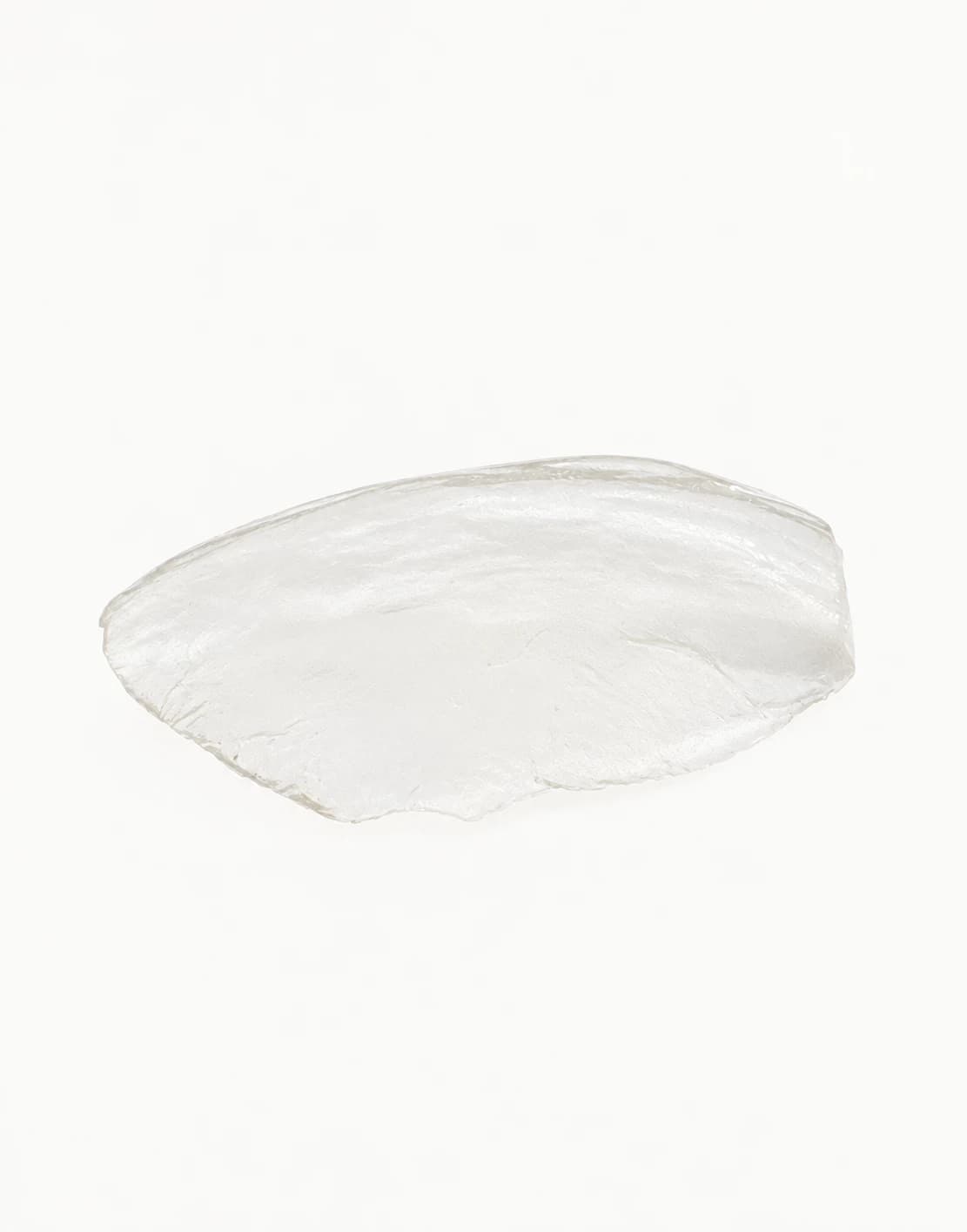
What does “PRF (autologous platelet-rich fibrin)” mean?
Autologous platelet-rich fibrin is a material made from the patient’s own blood, with platelets and other components incorporated in a fibrin structure. It is the same concept as PRF; this entry focuses on blood collection, preparation conditions, and questions about its planned use.
Obtaining a fibrin structure from the patient’s blood
Conventional PRF is prepared by centrifuging collected blood without adding an anticoagulant during manufacture. Solid or liquid forms can be prepared depending on the tubes and processing method. The absence of added anticoagulant describes preparation of the material; it is not an instruction to stop the patient’s medication.
Do not compare preparation conditions by rotational speed alone
Centrifugal force depends on factors such as rotor radius as well as rotational speed. The collection-to-processing sequence, tubes, and centrifugation conditions can also affect the material. A higher or lower single number does not establish better treatment.
Clarify its purpose and accompanying treatment
Ask where and in what form PRF will be used and whether it will accompany a bone graft material or membrane. Evidence about early wound healing should not be equated with long-term implant success or recovery of every bone defect. Postoperative care and follow-up are needed whether PRF is used or not.
Frequently Asked Questions
Does using my own blood eliminate every risk?
No. It describes the source of the material, not an absence of problems related to blood collection, surgery, or wound healing. Obtain advice suited to the site, your general health, and the treatment process, and follow care instructions.
If no anticoagulant is added to PRF, should I stop my medication?
Not adding an anticoagulant during preparation and managing prescribed medication are different matters. Tell the dental team what you take. Any need to stop or change it should be decided through consultation between the prescribing clinician and the dentist.
Questions about autologous platelet-rich fibrin
Learn what the term means and how it relates to your dental condition.
- Sufficient understanding
What form of PRF will be prepared, and how will it be used?
Explanation and evidenceAsk about collection and preparation, the solid or liquid form, and the application site. Do not judge quality by rotational speed alone.
PRF technical paper · Centrifugation and preparation conditions (2023) - A choice suited to your condition
What additional treatment and follow-up will be needed?
Explanation and evidenceClarify accompanying materials, wound care, the scope of expected effects, and their limitations.
ITI Forum Implantologicum · Clinical evidence on autologous blood concentrates (2025)
Further reading and references
Further reading
References
- DGI and DGZMK, Germany · S3 guideline on PRF in dental implantology (2022)register.awmf.org (opens in a new tab)
- PRF technical paper · Centrifugation and preparation conditions (2023)pmc.ncbi.nlm.nih.gov (opens in a new tab)
- ITI Forum Implantologicum · Clinical evidence on autologous blood concentrates (2025)forum-implantologicum.iti.org (opens in a new tab)
- NHS · Anticoagulants: considerationsnhs.uk (opens in a new tab)