Can ZERONATE Correct Front Tooth Gaps (Diastema) and Small Interdental Spaces?
Understanding the Causes of Front Tooth Gaps
There are various reasons behind front tooth gaps. In some cases, the teeth are naturally small, while in others, factors such as tooth alignment, gum condition, lip and tongue habits, and bite relationships play an influential role. For a minor front tooth gap, improvements can be made by adjusting the shape and proportion of the teeth. However, the approach changes if the cause and structural nature differ, even within similar front teeth gap cases. It is essential to identify whether the gap occurred due to the narrow width of the tooth, a misalignment issue, or changes related to the gums or bite.
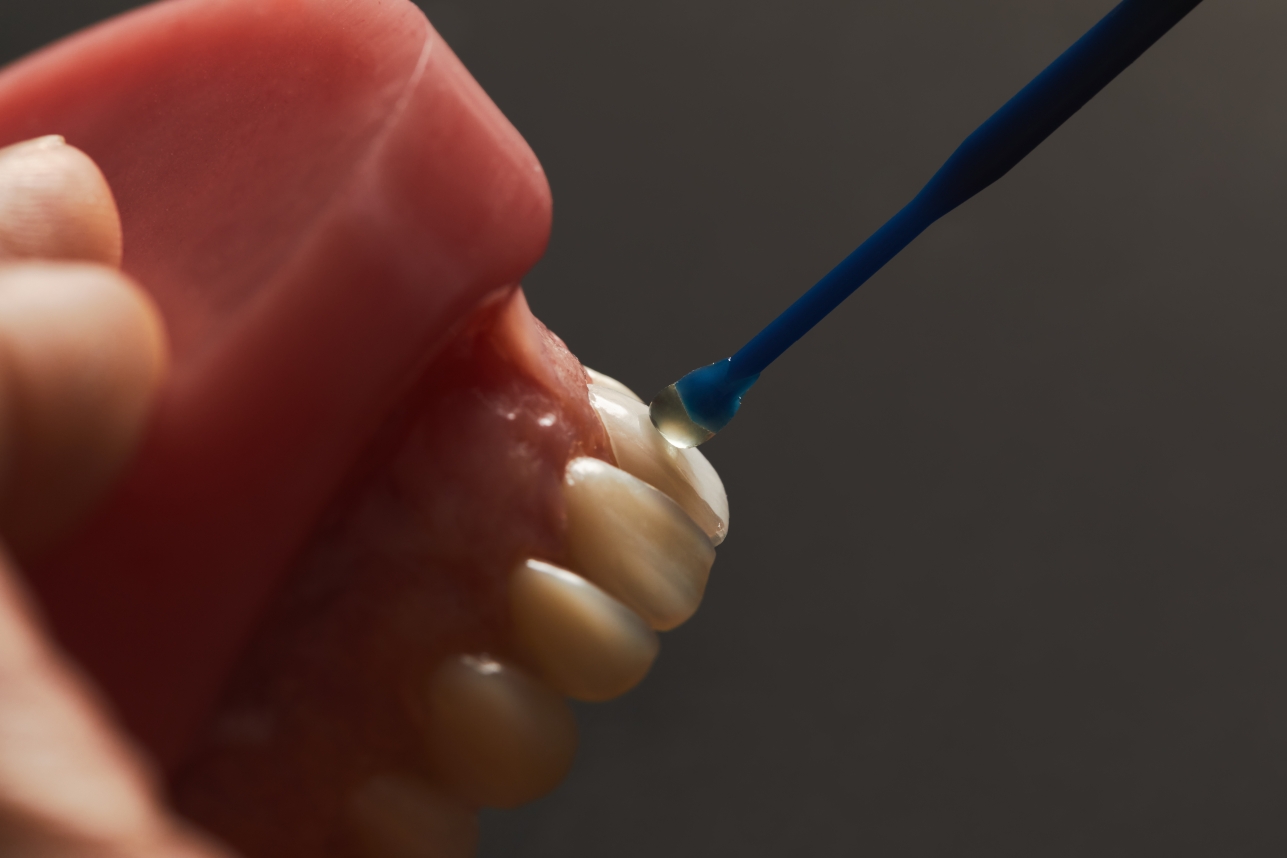
Filling Tooth Gaps with ZERONATE Veneers
For minor spaces between the front teeth, ZERONATE veneers can be considered as a treatment option depending on the case. The ZERONATE veneer procedure is an aesthetic dental treatment that attaches a thin ceramic layer to the front surface of the tooth to refine its shade, shape, and proportions. If the front tooth gap is not excessive and the tooth alignment and bite conditions are appropriate, a treatment plan can be established to narrow down the gap by naturally enhancing the tooth width and shape. During this process, the crucial standard is not simply about filling the gap, but whether the proportions look natural after the space is filled. If the front tooth gap is excessively covered, the teeth may appear wider, and the overall balance with surrounding teeth may become unnatural.
Scope of Treatment Based on Gap Width
For minor interdental spaces, ZERONATE veneers may be considered as a solution for improvement. For example, if there is a minor front tooth gap and the overall teeth misalignment is not excessive, an approach that enhances the tooth shape is considered. In such cases, the treatment plan can be established with a no-prep approach or selective preparation according to the current dental condition. Conversely, if the gap is wide or several interdental spaces are present, treatment with ZERONATE veneers alone may be possible, or orthodontic treatment may be required to achieve a natural proportion. To address front tooth gaps, not only the size of the gap should be reviewed, but also the width-to-length ratio of the teeth, the gum line, and the visible tooth area when smiling.

DISINFECTING ROOM
Cases Requiring Alternative Treatments to ZERONATE Veneers
Not every front tooth gap can be addressed with ZERONATE veneers. Cases such as severe tooth misalignment, an unstable bite, or the possibility of uneven teeth proportions due to a wide gap may require prior orthodontic treatment. Especially, if the underlying cause of the tooth gap is related to tooth position or the dental arch, enhancing the outer surface of the tooth solely with ceramic may present limitations. Moreover, if there is poor gum health, existing restorations, cavities, or tooth wear, these issues must be addressed beforehand. A front tooth gap is not simply about visible space; rather, it is directly linked to the supporting dental structures and bite conditions.
Design Considerations for Natural Proportions
The most crucial aspect when filling front tooth gaps is the proportion. The most ideal dental proportion follows the golden ratio—1.618:1:0.618 for central incisor, lateral incisor, and canine. Since the front teeth are located at the center of the face, even a minor change can affect the overall impression. If the tooth width expands during the process of narrowing down the teeth gap, the smile may appear cramped. Moreover, an imbalance between tooth length and width may lead to an artificial appearance. When considering ZERONATE veneers, the following elements are evaluated together:
The size of front tooth gap
The width-to-length proportion of the teeth
The sense of connection with surrounding teeth
The visible tooth area when smiling
The bite status
The gum line and tooth shape
These factors are evaluated to determine how much the tooth width and shape can be enhanced. For a natural result, it is far more important to ensure that the teeth look like the original one even after filling the gap, rather than simply focusing on eliminating the gap. Further treatment principles and details about the scope of application of ZERONATE veneers can be accessed on the ZERONATE veneers page.
Limitations and Considerations
Depending on the size of the tooth gap, tooth proportions, and bite conditions, ZERONATE veneers alone may not address such concerns. If the space is overly filled, the teeth may appear wide or the overall balance with surrounding teeth may be disrupted. Specifically, issues such as a wide gap or misalignment may require prior treatments, including orthodontic treatment. The suitability and scope of application of ZERONATE veneers to address front tooth gap are determined by thoroughly checking the tooth condition, bite, gum health, and the required scope of teeth reduction through an individual clinical evaluation.