

Teeth Whitening vs Veneers: Which Is Right for You?
When looking to improve the color of your teeth, many people find themselves choosing between teeth whitening and veneers. Both are treatments for aesthetic improvement, but they differ in how they are performed, the results they provide, and the range of issues they can address. This article outlines the differences between teeth whitening and veneers, and explains how to choose the option that best fits your needs.
What Does Teeth Whitening Do?
Teeth whitening is a treatment that brightens the surface color of the teeth. It works by using whitening agents to reduce stains caused by factors such as coffee, wine, or smoking. Because it does not involve tooth reduction or changes of tooth shape, it is generally considered a simple and accessible option.
However, whitening focuses only on color improvement and does not address:
✔ Tooth shape
✔ Tooth size
✔ Chips or wear
What Do Veneers Do?
Traditional veneers involve placing a thin prosthetic layer on the tooth surface to improve not only color but also shape and size. The procedure involves reducing a small portion of the tooth and bonding a custom-made prosthesis.
This allows for improvements in:
✔ Tooth color
✔ Tooth shape
✔ Gaps between teeth
✔ Alignment
However, because enamel reduction is involved, it is important to consider that the process is not reversible.

Key Differences
1. Cost
Teeth whitening is generally more affordable, while veneers tend to be more expensive due to the prosthesis fabrication.
2. What They Can Address
Teeth whitening is limited to color improvement, while veneers can address color, shape, and size together.
3. Longevity of Results
Whitening results may fade over time, while veneers tend to provide more stable results.
4. Level of Invasiveness
Teeth whitening is a non-invasive treatment, while traditional veneers involve enamel reduction.
When Whitening May Be Enough
Teeth whitening alone may be sufficient in the following cases:
✔ When tooth shape is not a major concern
✔ When you only want to brighten the color
✔ When you are looking for a simple improvement
In these cases, veneers may not be necessary to achieve satisfactory results.
When Veneers May Be Worth Considering
Veneers may be considered in the following cases:
✔ When you want to improve not only color but also shape
✔ When there are gaps between teeth or alignment concerns
✔ When you are looking for a more noticeable aesthetic improvement
In these cases, whitening alone may have limitations, and a more comprehensive approach may be needed.
Limitations and Considerations
There are important points to keep in mind when choosing a treatment. Teeth whitening does not improve tooth shape or structural damage. Traditional veneers require enamel reduction and are not reversible. No single option is the right answer for every case.
ZERONATE: An Alternative Option
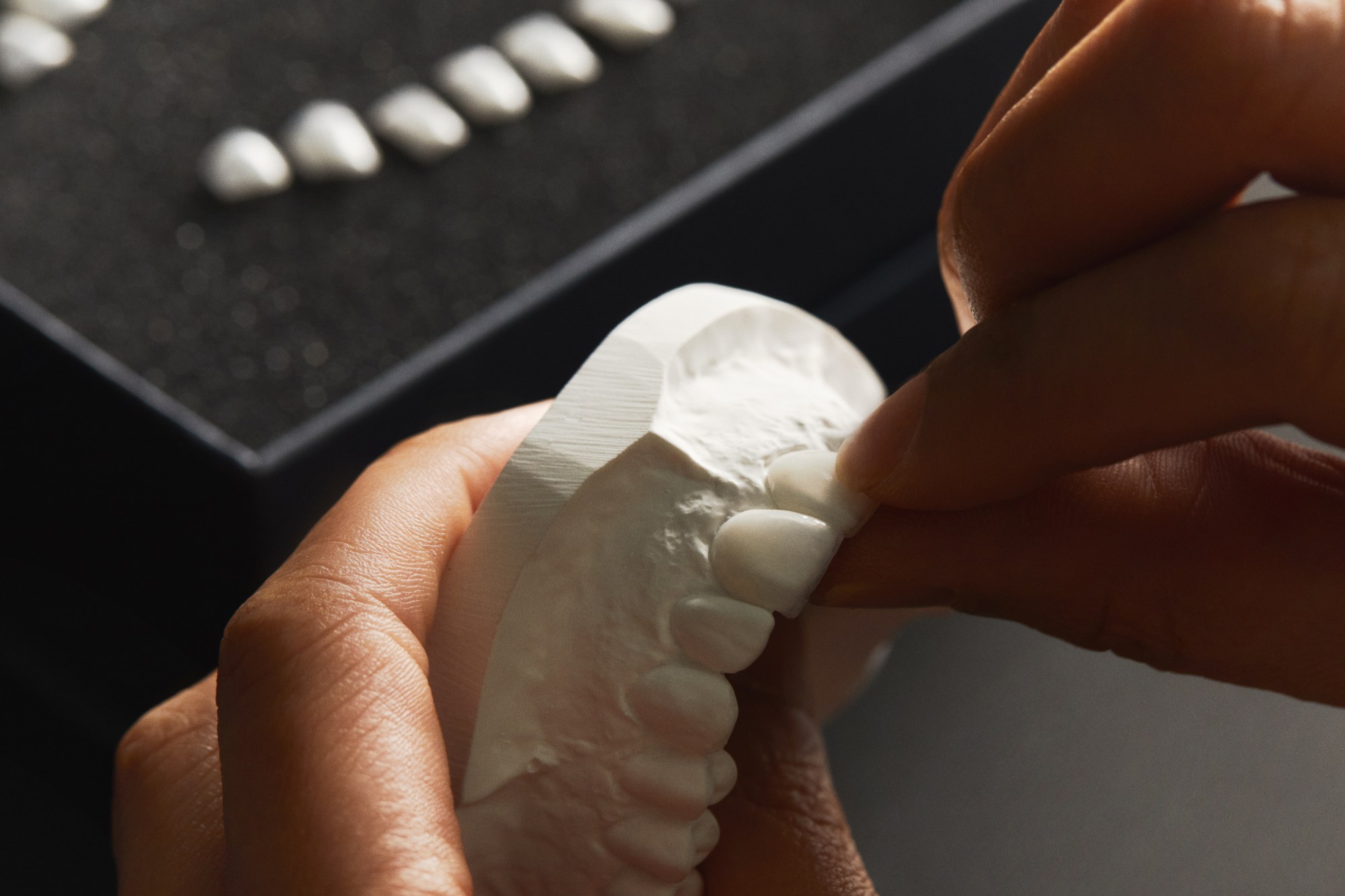
If you want to improve both color and shape but are concerned about tooth reduction, ZERONATE may be considered as an alternative approach. Depending on the condition of your teeth, it may be performed with no-prep or with selective tooth reduction, with a focus on preserving the natural tooth structure. By addressing both color and shape while minimizing invasiveness, it offers a different approach compared to conventional methods.
Conclusion
Teeth whitening and veneers are not simply a matter of which is “better,” but of which problem you want to address. Whether you need to improve only color or also want to address shape, choosing the right option depends on your priorities.